

 русский
 Español
 中文简体
中文简体

Kunshan Hong Yongsheng Precision Hardware Products Co., Ltd. was established in September 2006, is a professional China Bronze Flanged Bushing - SAE841 Oil manufacturer and Bronze Flanged Bushing - SAE841 Oil supplier, the production of various types of precision parts, PEM series of standard fasteners, non-standard parts of the custom enterprise, the company's production equipment imported from Japan CNC computer numerically-controlled lathes, Taiwan CAM walking knife type high-precision automatic lathes, and various types of auxiliary equipment, precision testing equipment, totaling more than 100 units, monthly output of up to 5 million pieces. Our products are used in many fields such as electronic communications, computer monitors and chassis, automotive parts, 3C household appliances, medical equipment, pneumatic machinery, sports equipment, furniture, lighting, aerospace, military, photovoltaic, intelligent industry and so on, and we have the technical ability to develop new products.
We also custom Bronze Flanged Bushing - SAE841 Oil for our busienss to business customers.
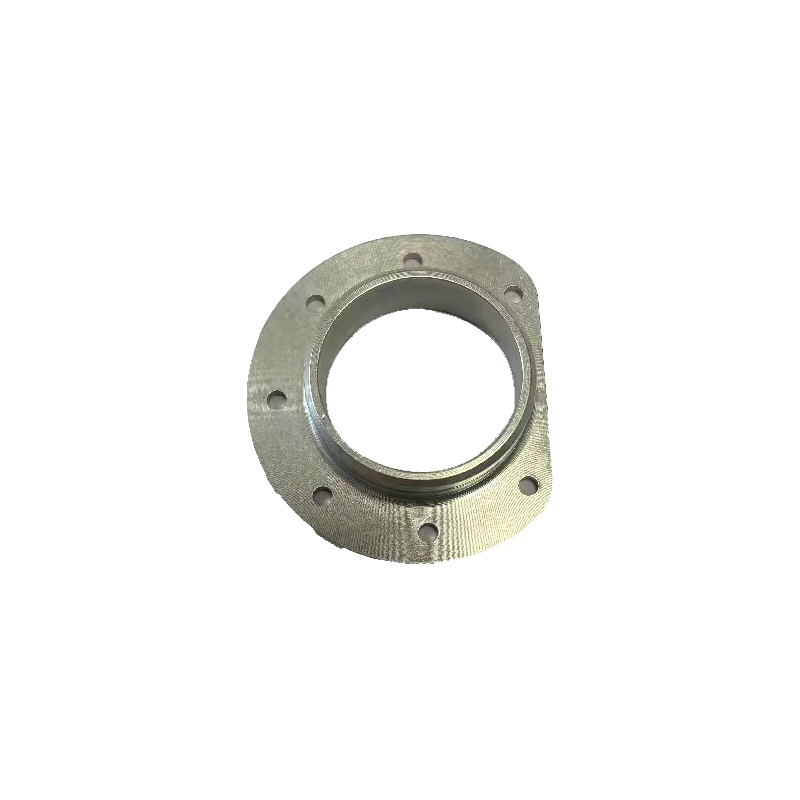
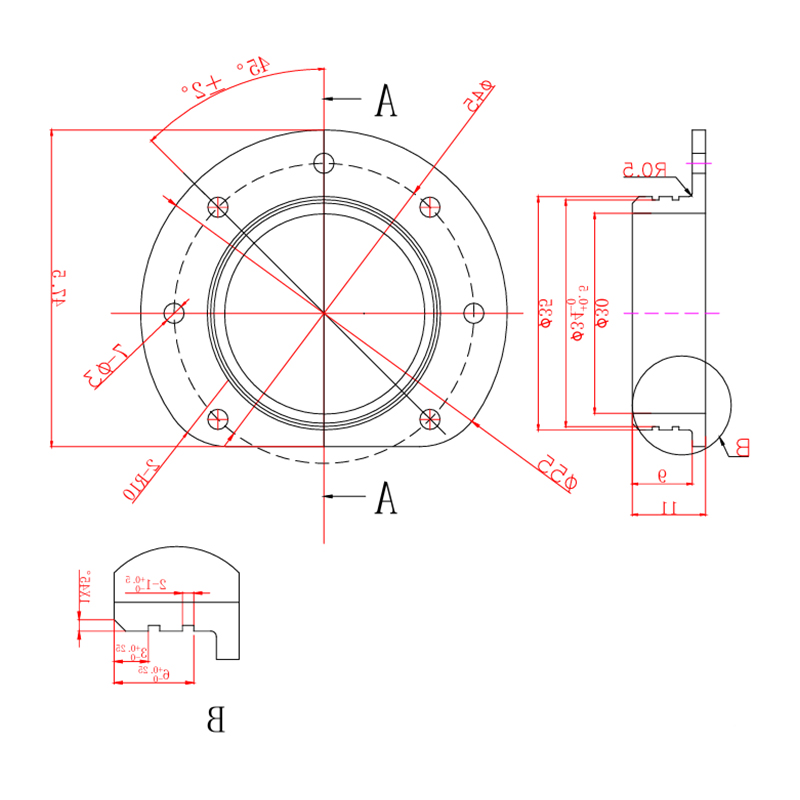
Bronze Flanged Bushing - SAE841 Oil
Bronze Flanged Sleeve Bearing
Self-lubricating bronze bushing engineered for heavy-duty rotational and linear motion applications. Manufactured from SAE841 sintered bronze with oil-impregnated construction, providing continuous lubrication throughout operational life and eliminating the need for external greasing.
The integrated flange incorporates multiple mounting holes for secure installation to machinery frames or structural components. This design prevents axial movement while maintaining precise shaft alignment under load. Bronze material delivers excellent wear resistance, low friction coefficient, and superior load-bearing capacity in demanding environments.
Applications span across conveyor systems, agricultural equipment, industrial pumps, electric motors, gearboxes, and material handling machinery requiring reliable bearing support with minimal maintenance requirements. The corrosion-resistant bronze alloy ensures extended service life in humid or chemically aggressive conditions.
Specs: Flanged Design | Oil-Impregnated Bronze | Self-Lubricating | Multi-Hole Mounting Pattern | High Load Capacity
Product Description
About
Kunshan Hong Yong Sheng Precision Hardware Products Co.,Ltd.
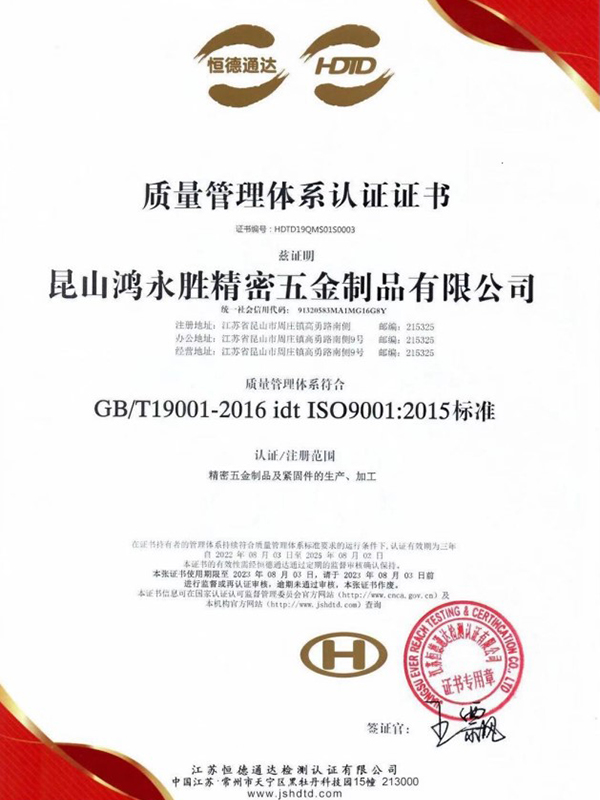
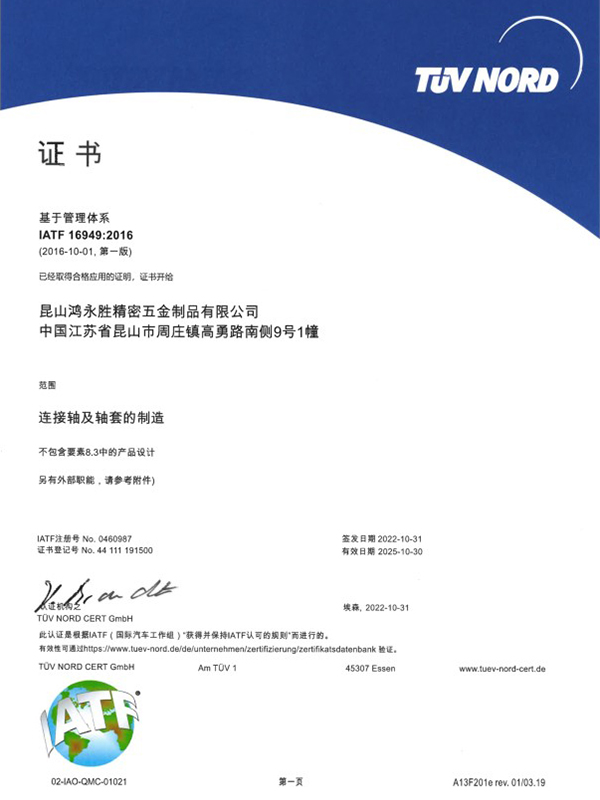
Certificate Of Honor
News
-
A bushing is a small, unglamorous part that quietly decides how long a machine stays in service. It sits between a rotating or sliding shaft and its housing, absorbs the wear, and gets replaced long ...
READ MORE -
Facing is one of the most common operations performed on a lathe machine, yet it rarely receives the attention it deserves. In simple terms, facing removes material from the end of a rotating workpie...
READ MORE -
What Is a Stainless Steel Sleeve and Why It Is Made to Order A stainless steel sleeve is a precision-machined cylindrical fitting that combines a tubular body with a formed flange, shoulder, or thread...
READ MORE -
Drilling the correct hole is one of the most fundamental steps in any precision assembly. Whether you are installing a simple screw, preparing a threaded hole, or mounting a rivet nut, the diameter o...
READ MORE -
Non-Standard Custom Fasteners for Specialized Industrial Requirements Standard screws and fasteners are suitable for many general assembly applications, but modern industrial equipment often requires ...
READ MORE
Related products
-
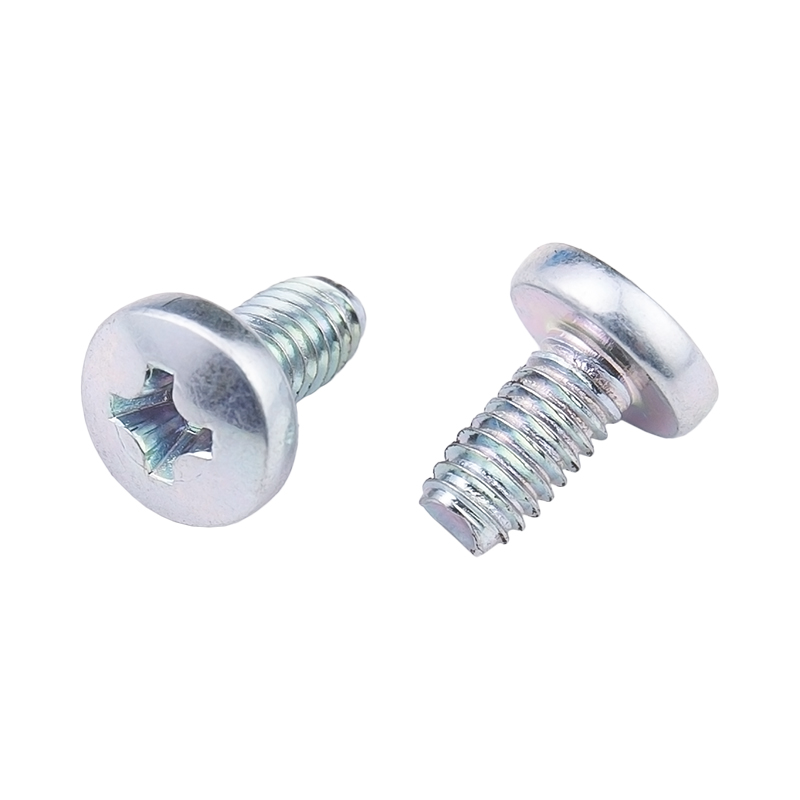
Made from carbon steel material by cold piering, the main use of Phillips pan head machine screws is for fixing the connection of objects. It can be connected to other parts or materials through the s...
See Details -
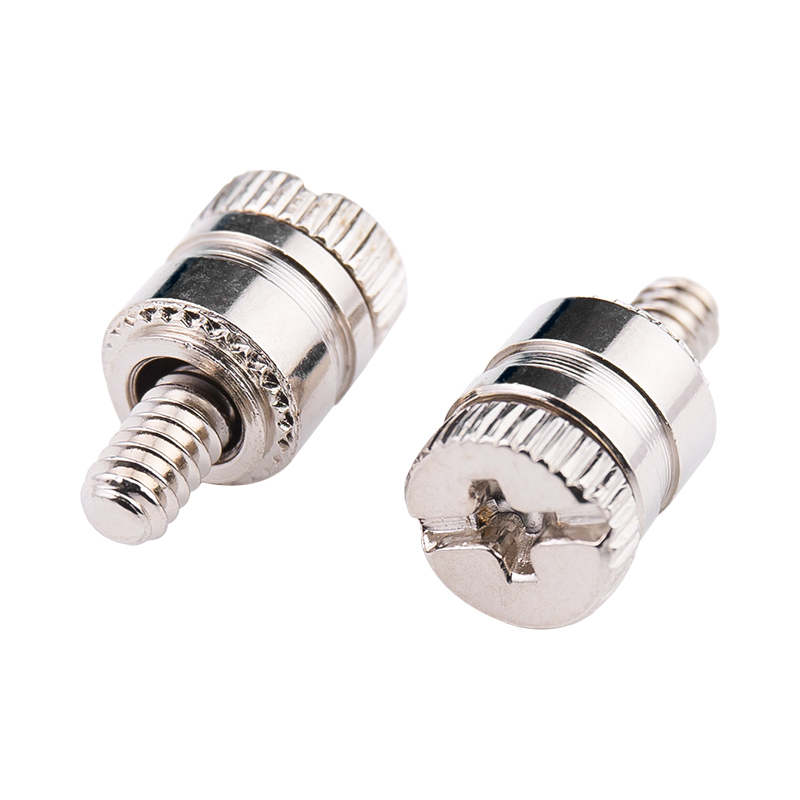
Turned from carbon steel or stainless steel, panel screws are known as loose screws because the head of the product has a ring of embossed teeth, which will not come off when screwed into or out of th...
See Details -
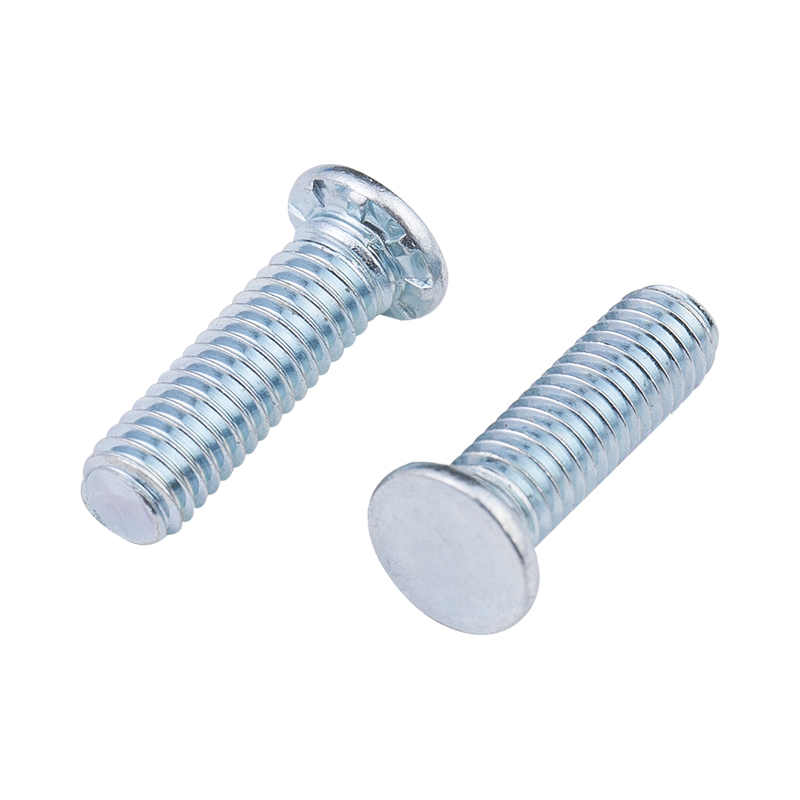
Pressure rivet screws are generally used in electronic machinery and equipment, metal sheet metal industry products, hardware stamping or copper, aluminium, plastic and other materials, in the use of ...
See Details -
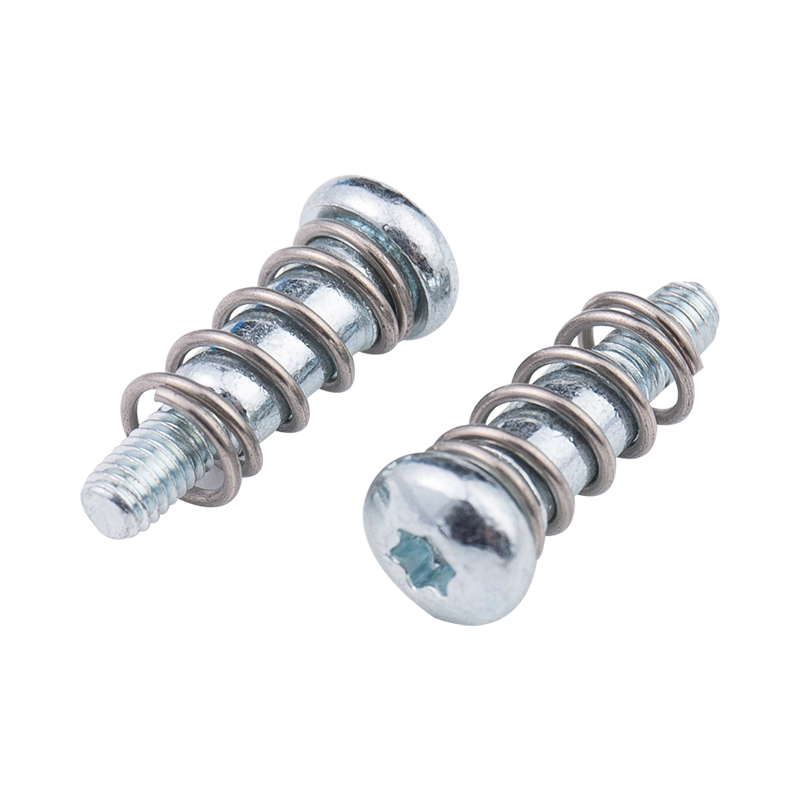
The literal meaning of a screw is a screw that is loose and will not come off. Also known as loose not free, spring screws, not off screws. It is pressure riveted or riveted on the mounting plate, and...
See Details -
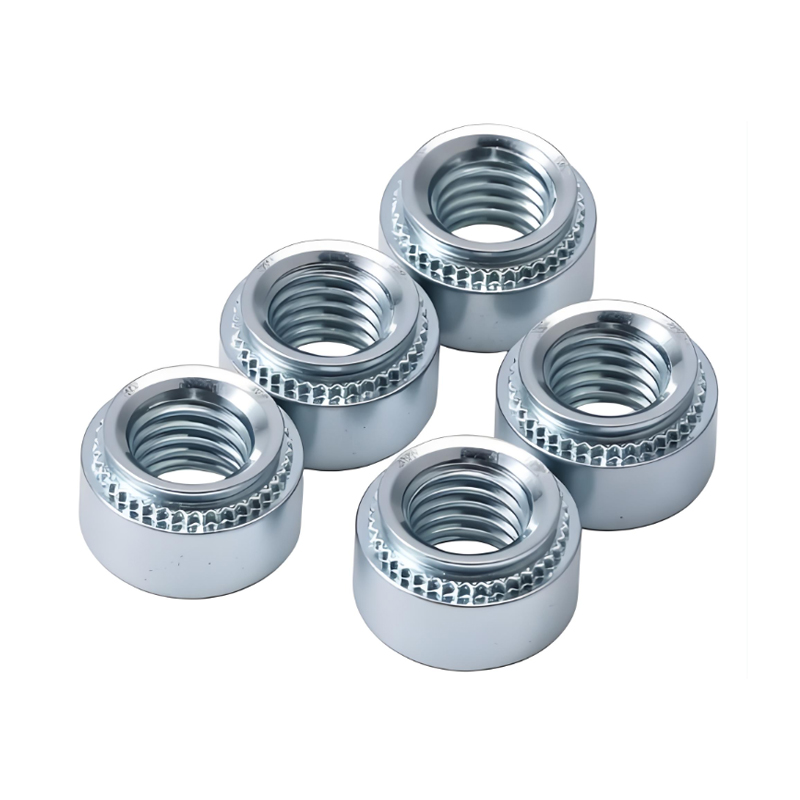
The use of carbon steel material turning made for pressure riveting in the hole in the thin sheet metal parts of the stud, according to the demand for processing a variety of specifications of such pa...
See Details -
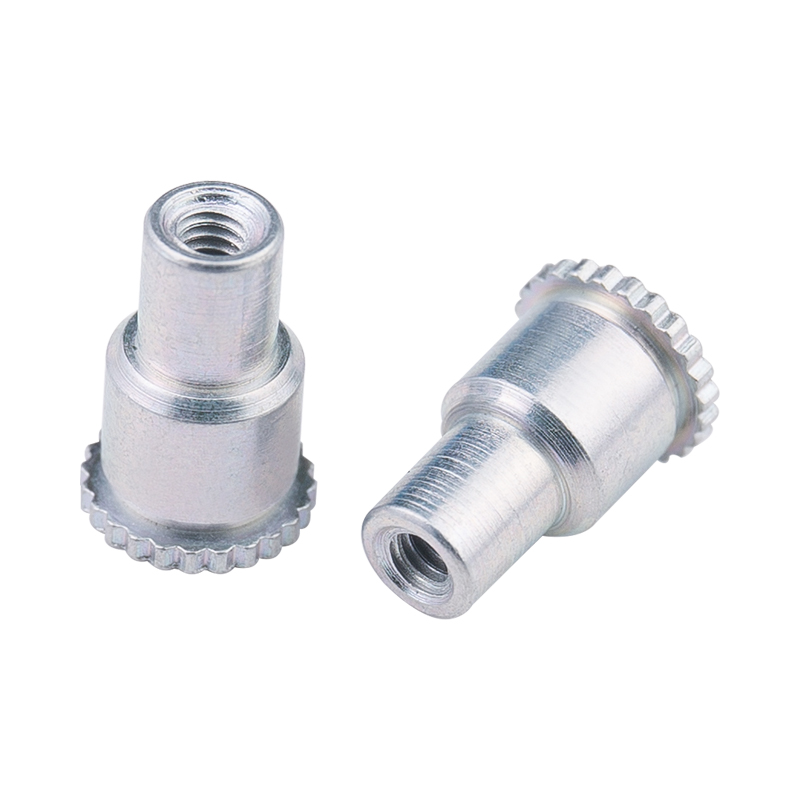
The use of carbon steel material turning made of a head with a gear-shaped, produced by the body is cylindrical, for pressure riveting in the plate with holes in the gold parts, to locate the assembly...
See Details

If you are interested in our products, please consult us
Kunshan Hong Yong Sheng Precision Hardware Products Co.,Ltd. All Rights Reserved. Custom Bronze Flanged Bushing - SAE841 Oil Supplier
