русский
 Español
 中文简体
中文简体

Non-Standard Custom Fasteners for Specialized Industrial Requirements Standard screws and fasteners are suitable for many general assembly applications, but modern industrial equipment often requires ...
READ MORENon-Standard Carbon Steel Studs Manufacturer
-
HYS-0018
-
HYS-0019
-
HYS-0020
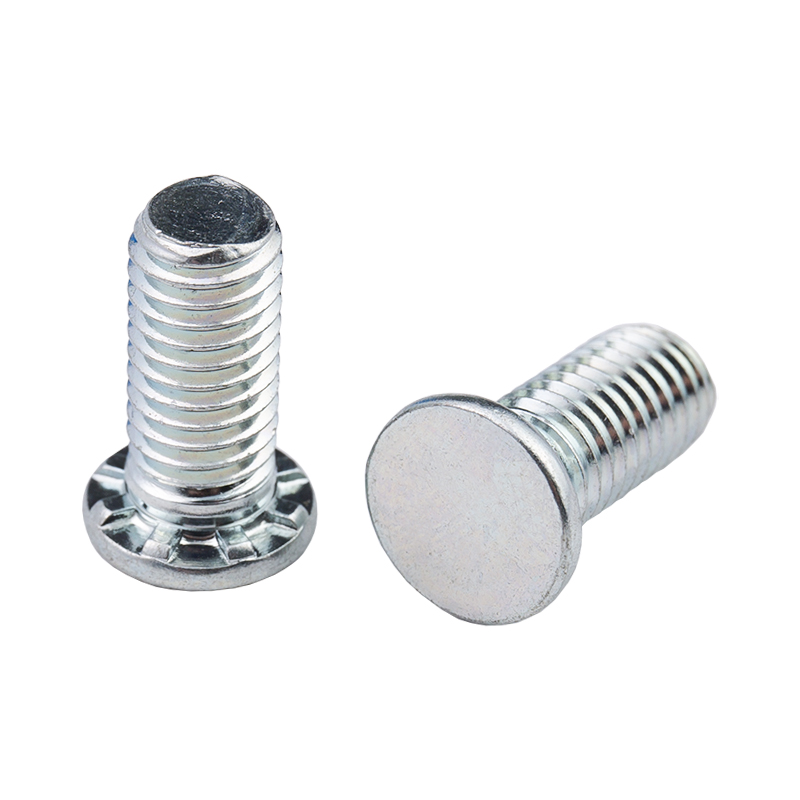
-
HYS-0021
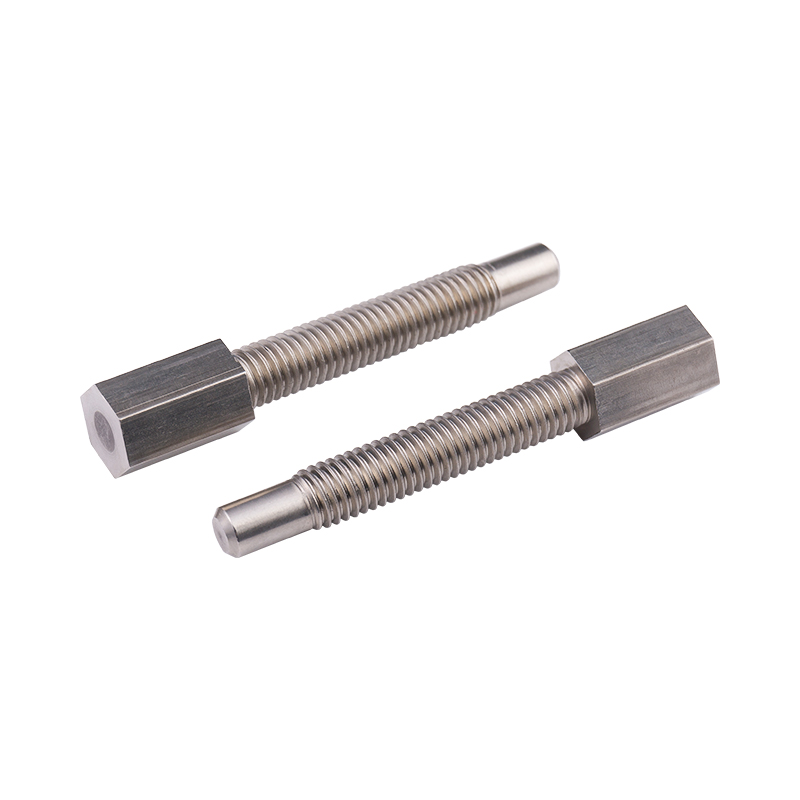
-
HYS-0022
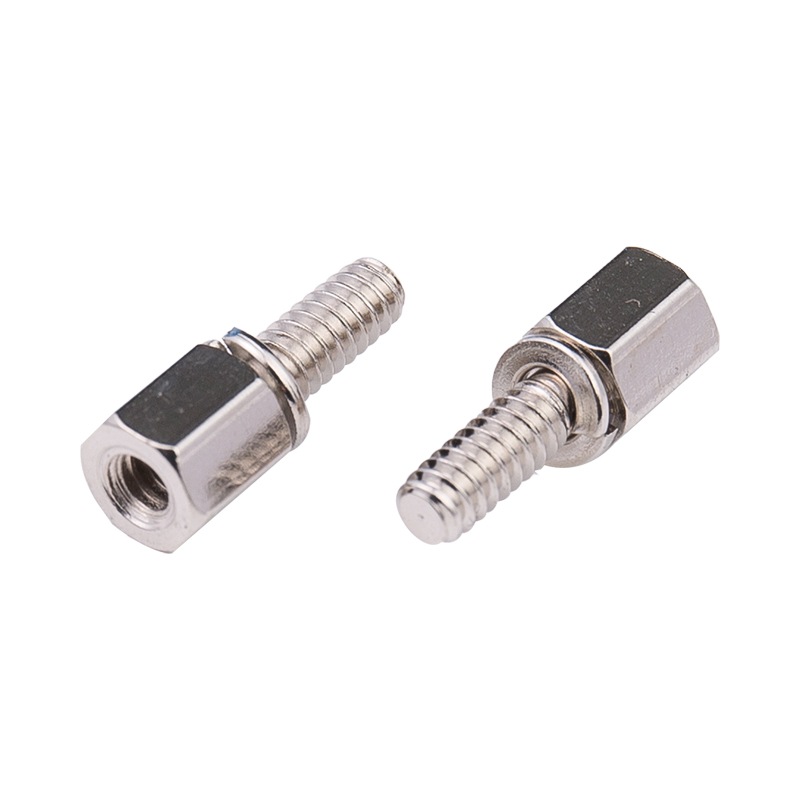
-
HYS-0291
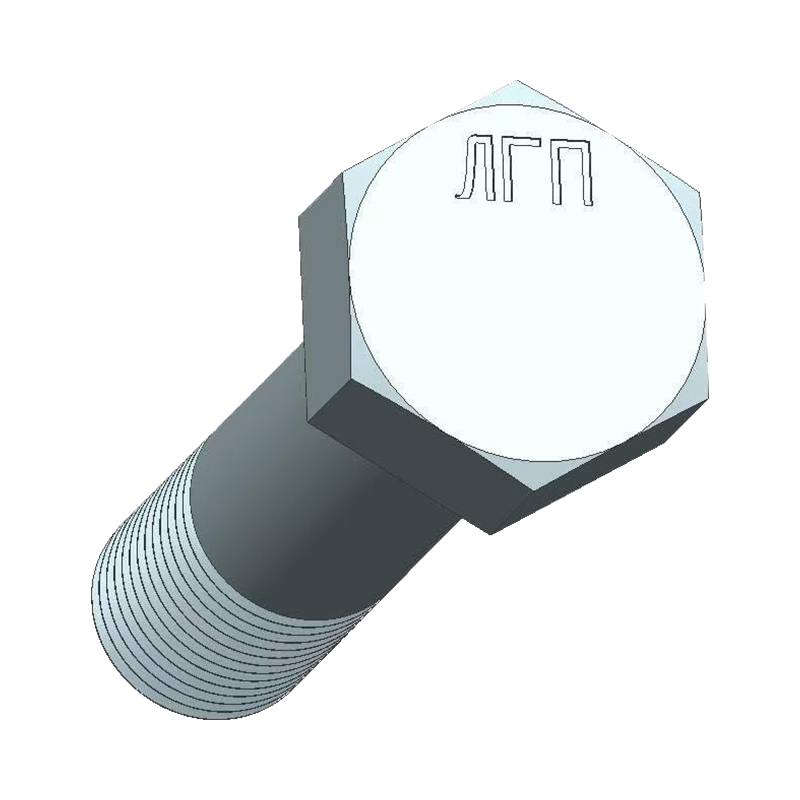
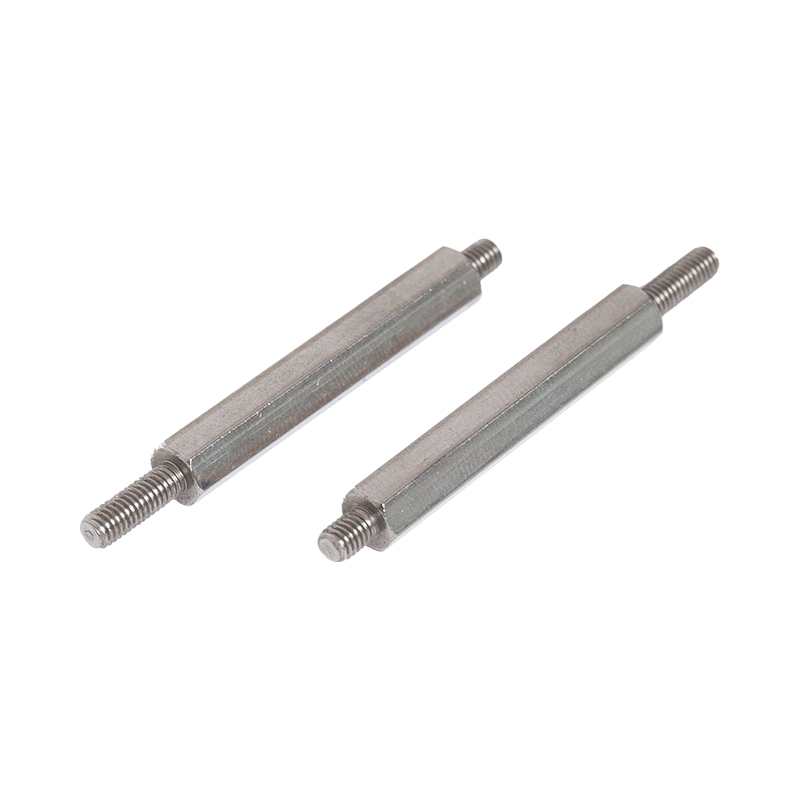
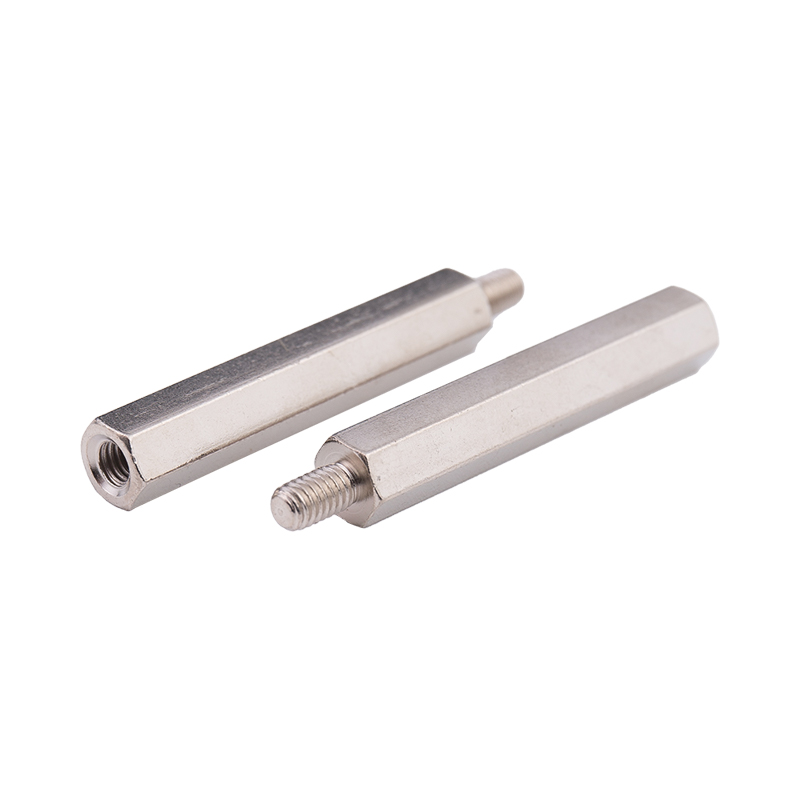
Non-standard carbon steel studs are made from carbon steel wire rods and can withstand high levels of tension and shear forces, providing reliable fastening solutions in harsh applications where structural integrity is critical. Known for its strength and ease of workability, carbon steel is the primary material used to make these studs. Carbon steel provides strong fastening solutions suitable for a variety of industrial environments. Select high-quality carbon steel based on desired mechanical properties and application requirements. According to the needs of specific design and application, part or the entire structure, size, appearance and material, etc., are changed to achieve the specific purpose of fastening.
We have our own Non-Standard Carbon Steel Studs factory in China, so we can OEM/ODM standard and non-standard fasteners, Precision Hardware Parts and accessories. We export and wholesale Non-Standard Carbon Steel Studs since 2006.
About
Kunshan Hong Yong Sheng Precision Hardware Products Co.,Ltd.
Kunshan Hong Yongsheng Precision Hardware Products Co., Ltd. was established in September 2006, is a professional China Non-Standard Carbon Steel Studs manufacturer and factory, the production of various types of precision parts, PEM series of standard fasteners, non-standard parts of the custom enterprise, the company's production equipment imported from Japan CNC computer numerically-controlled lathes, Taiwan CAM walking knife type high-precision automatic lathes, and various types of auxiliary equipment, precision testing equipment, totaling more than 100 units, monthly output of up to 5 million pieces. Our products are used in many fields such as electronic communications, computer monitors and chassis, automotive parts, 3C household appliances, medical equipment, pneumatic machinery, sports equipment, furniture, lighting, aerospace, military, photovoltaic, intelligent industry and so on, and we have the technical ability to develop new products.
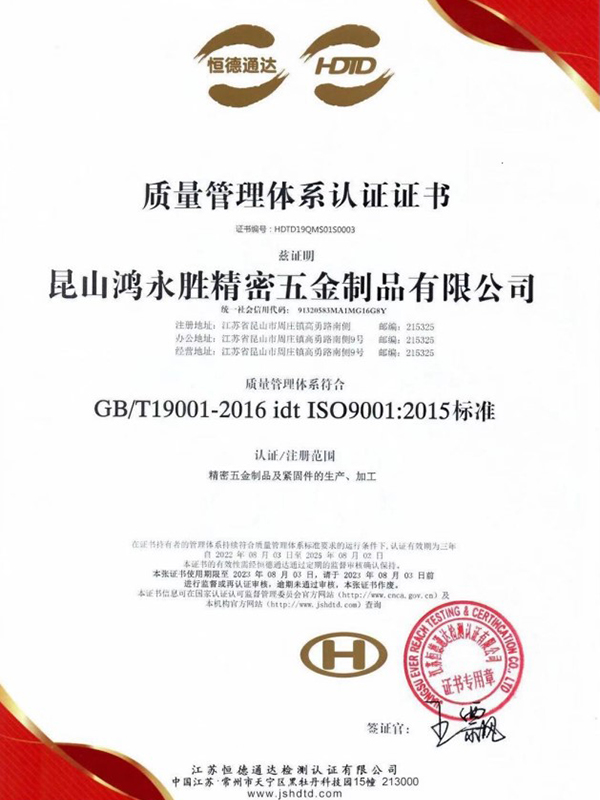
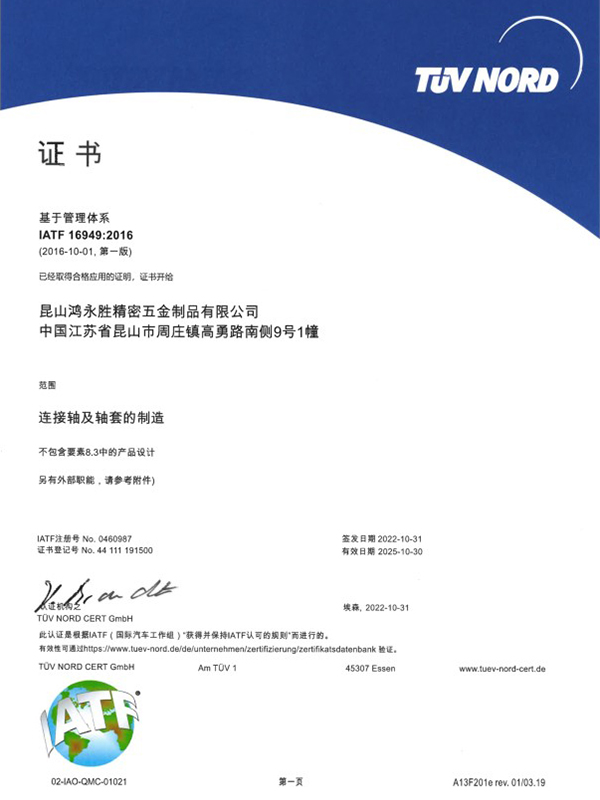
The company has obtained two quality system management certificates of ISO9001:2015 and IATF16949:2016.
At present, the company has been for Japan, Sweden, the United States, Singapore, Malaysia, Hong Kong and the Pearl River Delta and many other customers to provide services, now the main customers are: Japan Sharp (SHARP), Japan SMC, Japan Panasonic (Panasonic), the Swedish automobile VOVOL, etc., all the fixed assets investment of more than 30 million dollars, welcome friends from all walks of life to the factory to visit, study, consulting and come! We welcome friends from all walks of life to visit our factory, investigate, consult and come to us for sample processing.
We are looking forward to establishing a good business partnership with you with mutual trust and reciprocity!
The company has obtained two quality system management certificates of ISO9001:2015 and IATF16949:2016.
At present, the company has been for Japan, Sweden, the United States, Singapore, Malaysia, Hong Kong and the Pearl River Delta and many other customers to provide services, now the main customers are: Japan Sharp (SHARP), Japan SMC, Japan Panasonic (Panasonic), the Swedish automobile VOVOL, etc., all the fixed assets investment of more than 30 million dollars, welcome friends from all walks of life to the factory to visit, study, consulting and come! We welcome friends from all walks of life to visit our factory, investigate, consult and come to us for sample processing.
We are looking forward to establishing a good business partnership with you with mutual trust and reciprocity!
Certificate Of Honor
News
-
-
Imagine you are sourcing a precision shaft that carries a bearing on one end and slides through a hydraulic seal along its length. The drawing shows a circularity tolerance of 0.01 mm on the bearing ...
READ MORE -
What Is a Steel Sleeve and Where It Is Used A steel sleeve is a hollow cylindrical component used to protect a shaft, reduce friction, provide a wear-resistant bearing surface, or act as a spacer betw...
READ MORE -
When you have a batch of cylindrical components to machine, the CNC turning lathe is usually the first machine tool that comes to mind. It solves a straightforward problem: rotate the workpiece while...
READ MORE
Non-Standard Carbon Steel Studs Industry knowledge
What manufacturing processes are involved in producing non-standard carbon steel studs?
The manufacturing processes involved in producing non-standard carbon steel studs typically include:
Wire Drawing: The process starts with drawing carbon steel wire rods through a series of dies to reduce their diameter and achieve the desired wire size. This step ensures uniformity and consistency in the diameter of the wire.
Cutting: The drawn wire is then cut into appropriate lengths based on the specifications of the studs being produced. Precision cutting ensures that each stud is uniform in size and meets dimensional requirements.
Heading: In this step, the cut wire lengths are heated to a suitable temperature and then formed into the head shape of the stud using a heading machine. The head shape can vary depending on the specific design requirements of the studs.
Thread Rolling: Next, the threaded portion of the stud is created by rolling the heated and formed wire between dies with matching thread profiles. This process produces accurate and precise threads on the studs, ensuring proper engagement with mating components.
Heat Treatment: Some carbon steel studs may undergo heat treatment to enhance their mechanical properties, such as increasing hardness or improving strength. Heat treatment processes like quenching and tempering may be employed based on the desired properties of the final product.
Surface Treatment: Depending on the application requirements, non-standard carbon steel studs may undergo surface treatments such as coating or plating to improve corrosion resistance, enhance aesthetics, or provide additional functionality.
What is the recommended installation process for non-standard carbon steel studs?
Before installation, ensure that the mating surfaces are clean, free of debris, and properly aligned. This preparation helps ensure optimal contact between the stud and the mating components.
If necessary, drill pilot holes in the mating components to accommodate the diameter of the stud. The diameter and depth of the pilot holes should match the specifications provided for the studs being used.
Insert the non-standard carbon steel studs into the prepared pilot holes, ensuring that they are fully seated and aligned correctly. Use a suitable tool, such as a wrench or stud driver, to tighten the studs securely into place.
Apply the recommended torque to the studs using a torque wrench or similar tool. Refer to the manufacturer's specifications or engineering guidelines to determine the appropriate torque values for the specific application.
After installation, verify that the studs are securely fastened and properly aligned. Check for any signs of misalignment or improper engagement, and make any necessary adjustments as needed.
Conduct a final inspection of the installed studs to ensure that they meet the required standards and specifications. Verify that the fastening system is robust and capable of withstanding the anticipated loads and environmental conditions.
Keep detailed records of the installation process, including torque values, inspection results, and any deviations from the standard procedures.

If you are interested in our products, please consult us
Kunshan Hong Yong Sheng Precision Hardware Products Co.,Ltd. All Rights Reserved. OEM/ODM Non-Standard Carbon Steel Studs Manufacturer