русский
 Español
 中文简体


What a Custom Steel Pin Does in an Assembly A steel pin is a small cylindrical component used to locate, join, hinge, or lock mechanical parts. Depending on the design, it may act as a locating pin th...
READ MORECopper Bolt Manufacturer
-
HYS-0174

-
HYS-0175
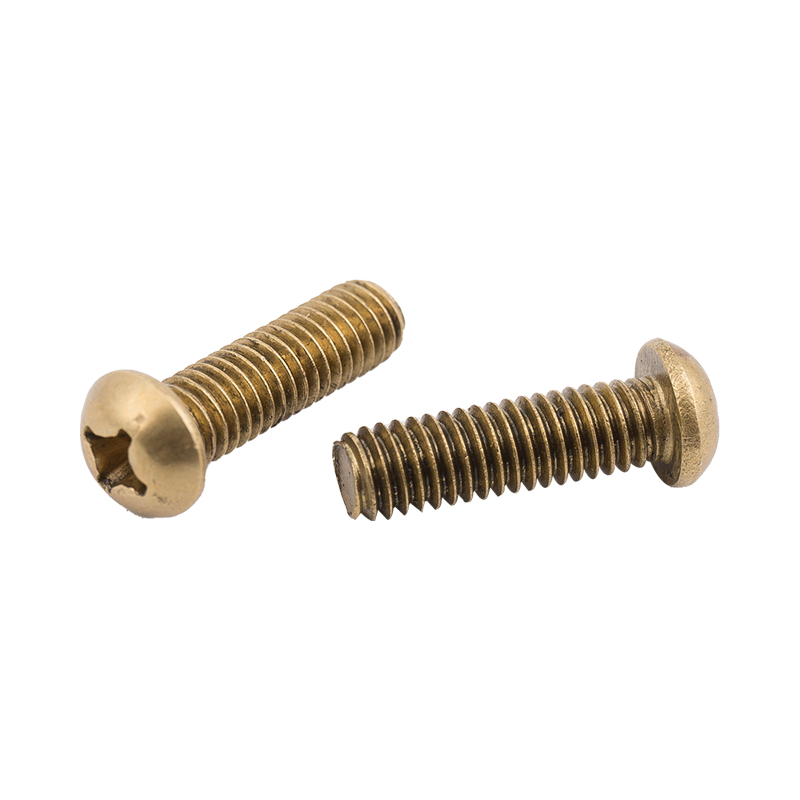
-
HYS-0176
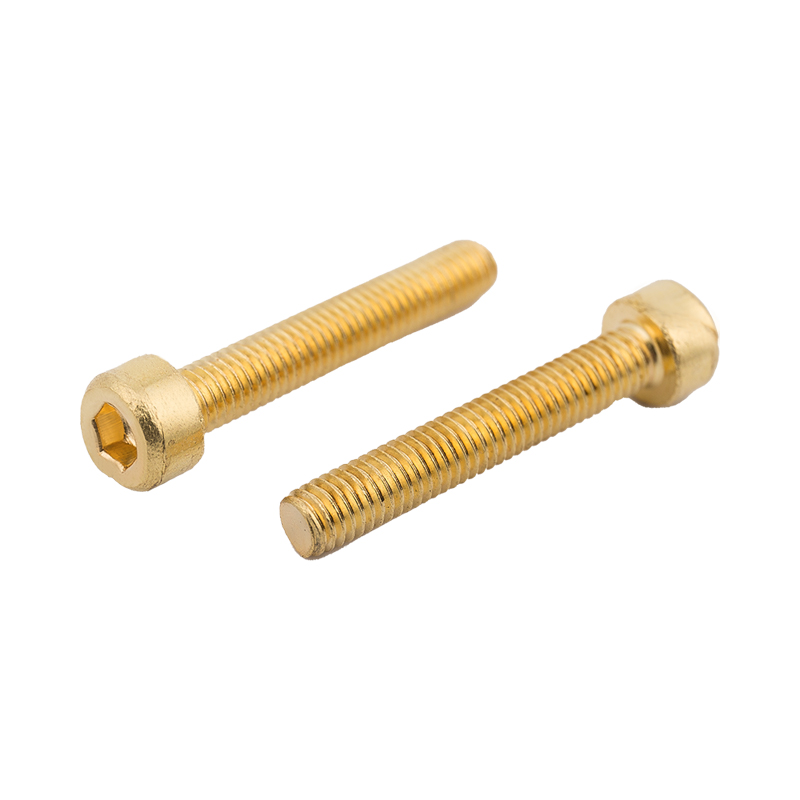
-
HYS-0314

Copper bolts are made of raw copper material. Copper is a common non-ferrous material with good electrical and thermal conductivity. Therefore, copper bolts are usually used in electronic devices and high temperature equipment, which can improve the operational efficiency and stability of the equipment.
We have our own Copper Bolt factory in China, so we can OEM/ODM standard and non-standard fasteners, Precision Hardware Parts and accessories. We export and wholesale Copper Bolt since 2006.
About
Kunshan Hong Yong Sheng Precision Hardware Products Co.,Ltd.
Kunshan Hong Yongsheng Precision Hardware Products Co., Ltd. was established in September 2006, is a professional China Copper Bolt manufacturer and factory, the production of various types of precision parts, PEM series of standard fasteners, non-standard parts of the custom enterprise, the company's production equipment imported from Japan CNC computer numerically-controlled lathes, Taiwan CAM walking knife type high-precision automatic lathes, and various types of auxiliary equipment, precision testing equipment, totaling more than 100 units, monthly output of up to 5 million pieces. Our products are used in many fields such as electronic communications, computer monitors and chassis, automotive parts, 3C household appliances, medical equipment, pneumatic machinery, sports equipment, furniture, lighting, aerospace, military, photovoltaic, intelligent industry and so on, and we have the technical ability to develop new products.
The company has obtained two quality system management certificates of ISO9001:2015 and IATF16949:2016.
At present, the company has been for Japan, Sweden, the United States, Singapore, Malaysia, Hong Kong and the Pearl River Delta and many other customers to provide services, now the main customers are: Japan Sharp (SHARP), Japan SMC, Japan Panasonic (Panasonic), the Swedish automobile VOVOL, etc., all the fixed assets investment of more than 30 million dollars, welcome friends from all walks of life to the factory to visit, study, consulting and come! We welcome friends from all walks of life to visit our factory, investigate, consult and come to us for sample processing.
We are looking forward to establishing a good business partnership with you with mutual trust and reciprocity!
Certificate Of Honor
News
-
-
Facing is usually the first cut a new machinist learns and the last one an experienced hand stops thinking about, which is exactly why it still causes trouble. Chuck a workpiece, take a pass across t...
READ MORE -
An aluminum screw is easy to overlook, yet in a lightweight device it often decides whether an assembly goes together cleanly. The metal is soft compared with steel, the parts are small, and the thre...
READ MORE -
Cylindricity is one of those GD&T terms that can sound abstract until a shaft will not slide into a bearing, a seal starts to leak, or a rotating assembly develops a vibration that is hard to tra...
READ MORE
Copper Bolt Industry knowledge
What are the benefits of using copper bolt?
When it comes to construction and engineering, every detail matters. One often overlooked but crucial component is the humble bolt. While there are many materials to choose from, one stands above the rest: copper bolts. Get ready to discover why copper bolts are the secret to stronger connections!
Copper bolts have been gaining popularity in recent years, and for good reason. Unlike traditional steel bolts, copper bolts offer numerous advantages that can revolutionize construction projects. The secret lies in copper's unique properties. Copper is an excellent conductor of electricity and heat, making it ideal for applications that require high conductivity. This means that copper bolts can efficiently transmit electrical currents and dissipate heat, reducing the risk of overheating in electrical systems. Imagine the difference this can make in industries like aerospace and telecommunications, where reliable connections are a top priority.
But that's not all! Copper bolts also boast exceptional corrosion resistance. Unlike steel bolts that are prone to rust and degradation over time, copper bolts form a protective oxide layer when exposed to air. This layer acts as a barrier, preventing further corrosion and ensuring the longevity of the bolt. Imagine the peace of mind knowing that your structures are built to withstand the test of time, even in harsh environments. Whether it's a coastal construction project or an outdoor installation, copper bolts are up to the challenge.
In addition to their technical advantages, copper bolts also offer environmental benefits. Copper is a highly recyclable material, with nearly 80% of all copper ever mined still in use today. By choosing copper bolts, you contribute to a more sustainable future. Moreover, copper's antimicrobial properties make it an excellent choice for applications in healthcare and food industries. Copper has been proven to kill bacteria, viruses, and fungi, reducing the risk of infections and foodborne illnesses. It's a win-win situation for both the environment and public health.
When it comes to building stronger connections, copper bolts are the way to go. With their exceptional conductivity, corrosion resistance, and environmental benefits, they outperform traditional steel bolts in every aspect. So, whether you're an engineer, a contractor, or a DIY enthusiast, it's time to consider the power of copper bolts. Upgrade your projects with this game-changing material and experience the difference firsthand. Your structures will thank you, and so will the planet.

If you are interested in our products, please consult us
Kunshan Hong Yong Sheng Precision Hardware Products Co.,Ltd. All Rights Reserved. OEM/ODM Copper Bolt Manufacturer