русский
 Español
 中文简体
中文简体

An aluminum screw is easy to overlook, yet in a lightweight device it often decides whether an assembly goes together cleanly. The metal is soft compared with steel, the parts are small, and the thre...
READ MORENon-Standard Stainless Steel Bolts Manufacturer
-
HYS-0013
-
HYS-0014
-
HYS-0015
-
HYS-0016
-
HYS-0225
-
HYS-0226
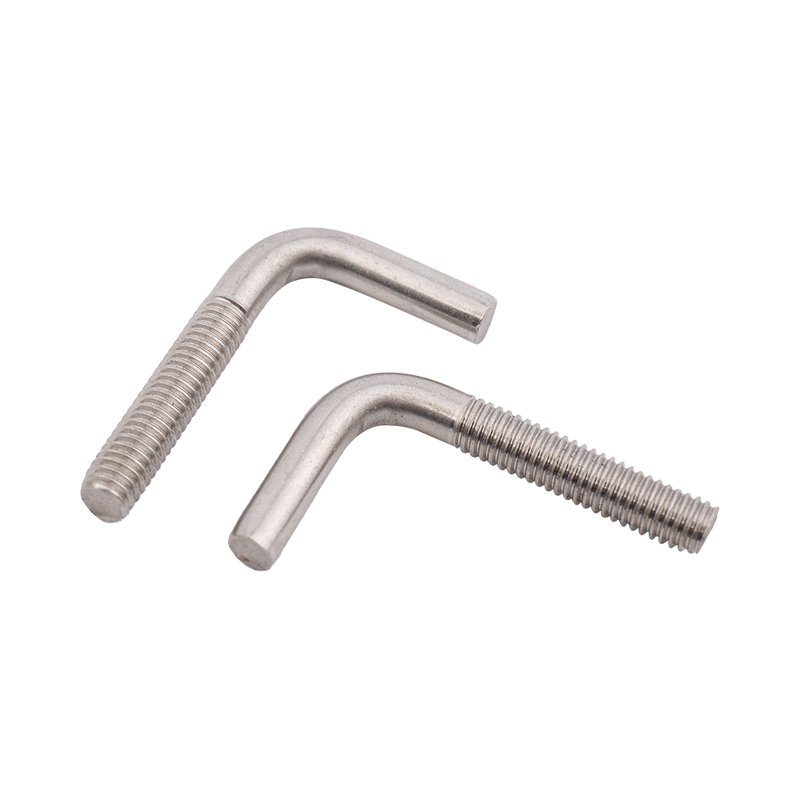
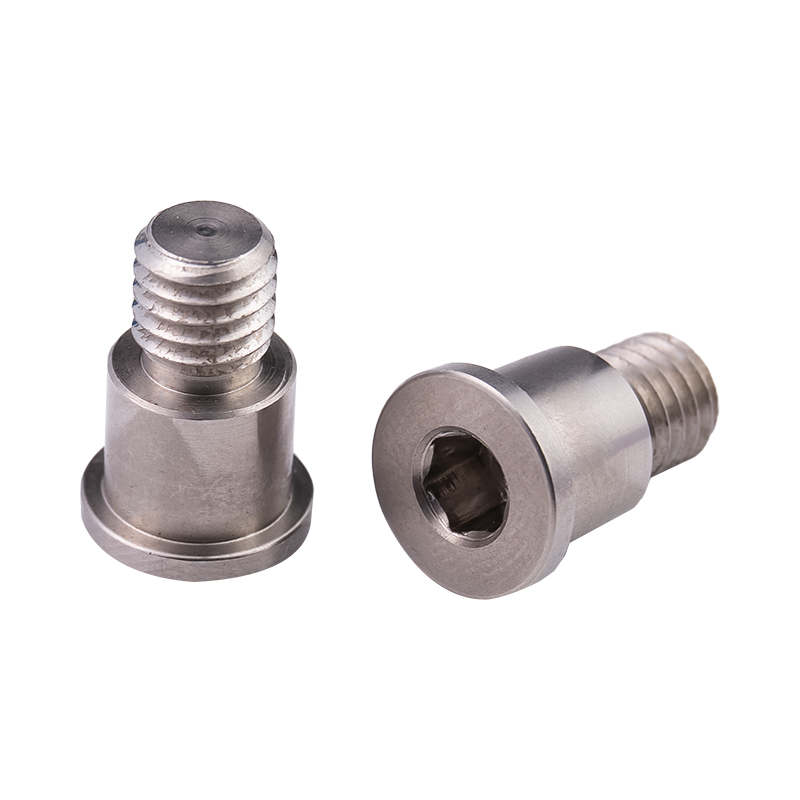
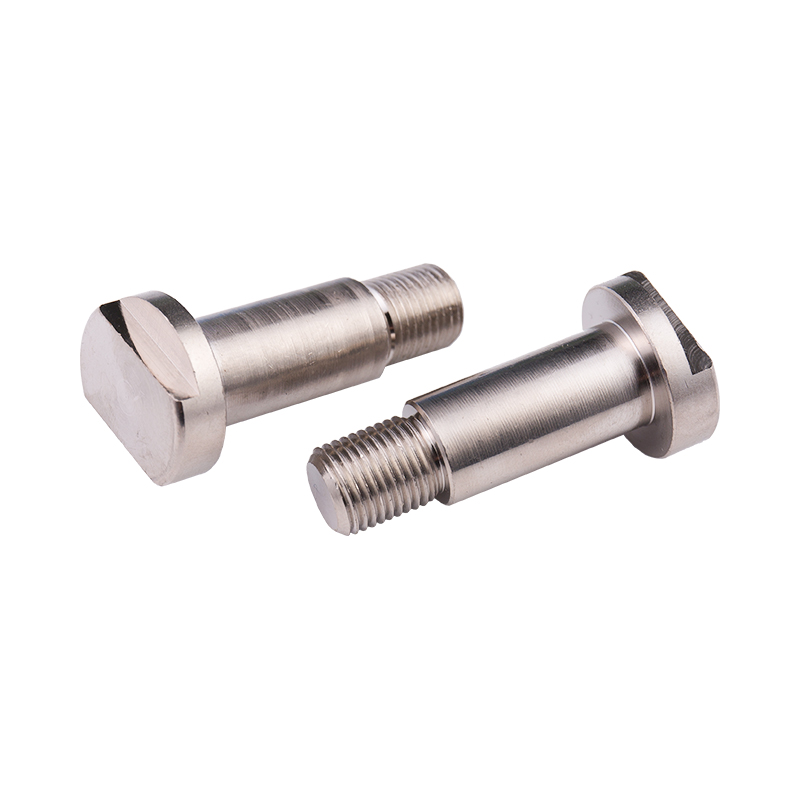
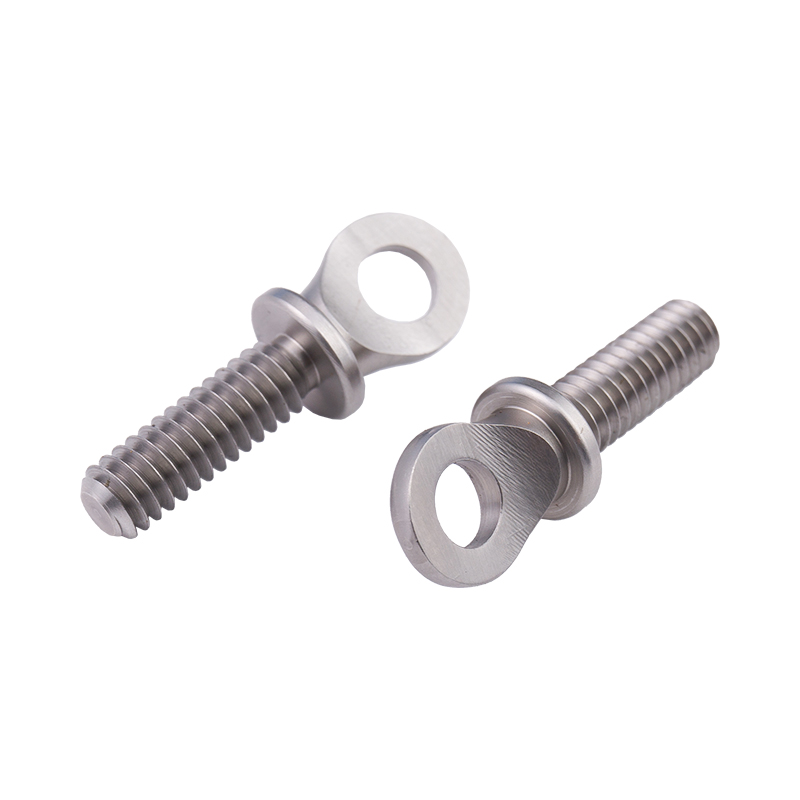
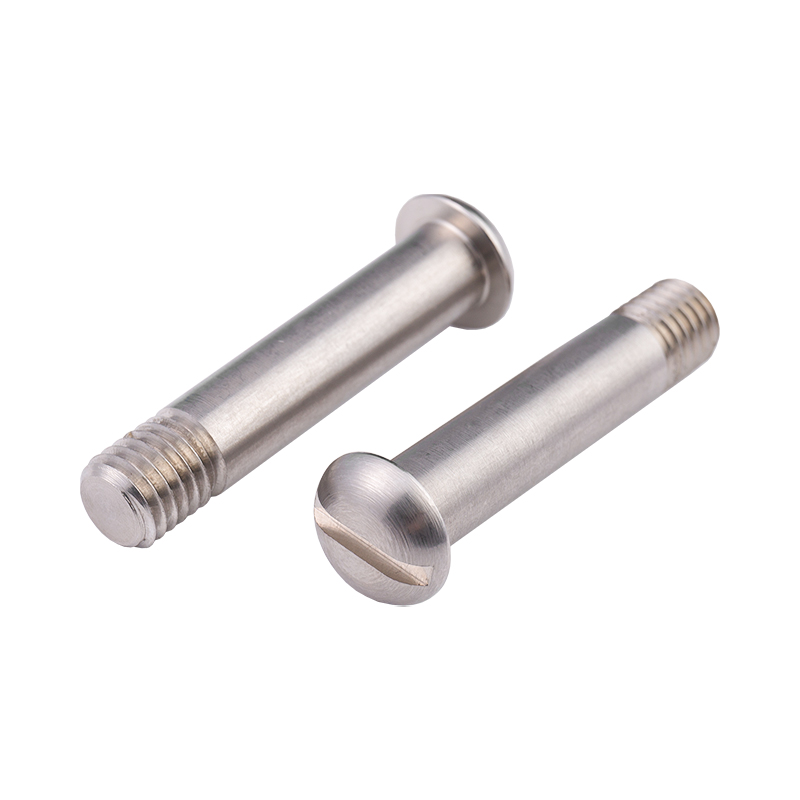
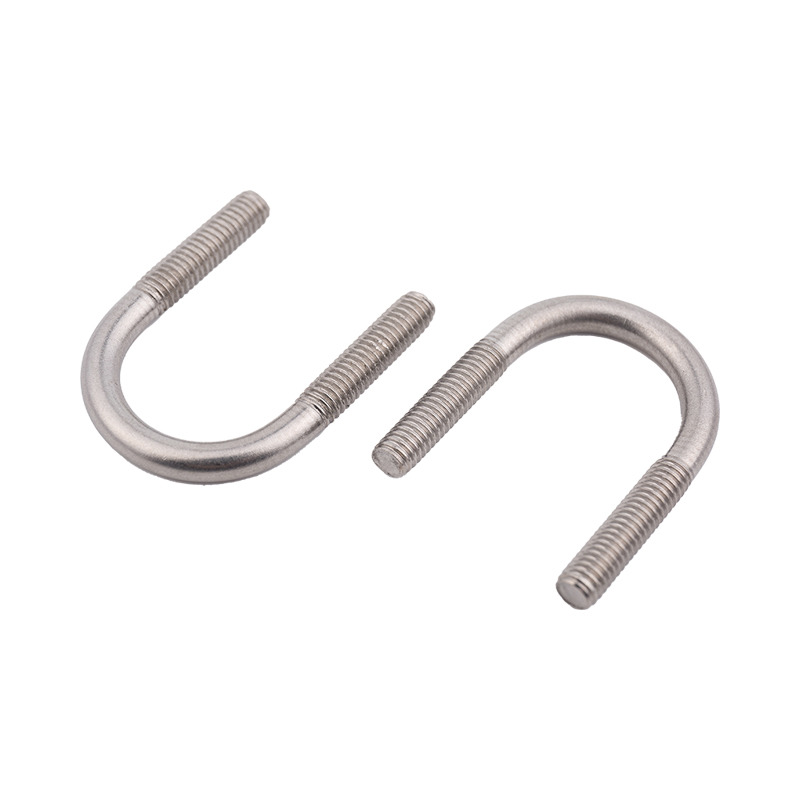
Non-standard stainless steel bolts are fasteners made from stainless steel material, which are modified in terms of their partial or overall structure, dimensions, appearance, and material to meet specific design application requirements. They are used to achieve specific purposes by securely fastening two or more objects together. Stainless steel endows bolts with properties such as corrosion resistance, high temperature resistance, and wear resistance, enabling them to perform excellently in various working environments. Non-standard stainless steel bolts are manufactured through special processes such as cold forging, hot forging, or precision machining, according to customer requirements, to ensure that their strength and precision meet the customer's demands.
We have our own Non-Standard Stainless Steel Bolts factory in China, so we can OEM/ODM standard and non-standard fasteners, Precision Hardware Parts and accessories. We export and wholesale Non-Standard Stainless Steel Bolts since 2006.
About
Kunshan Hong Yong Sheng Precision Hardware Products Co.,Ltd.
Kunshan Hong Yongsheng Precision Hardware Products Co., Ltd. was established in September 2006, is a professional China Non-Standard Stainless Steel Bolts manufacturer and factory, the production of various types of precision parts, PEM series of standard fasteners, non-standard parts of the custom enterprise, the company's production equipment imported from Japan CNC computer numerically-controlled lathes, Taiwan CAM walking knife type high-precision automatic lathes, and various types of auxiliary equipment, precision testing equipment, totaling more than 100 units, monthly output of up to 5 million pieces. Our products are used in many fields such as electronic communications, computer monitors and chassis, automotive parts, 3C household appliances, medical equipment, pneumatic machinery, sports equipment, furniture, lighting, aerospace, military, photovoltaic, intelligent industry and so on, and we have the technical ability to develop new products.
The company has obtained two quality system management certificates of ISO9001:2015 and IATF16949:2016.
At present, the company has been for Japan, Sweden, the United States, Singapore, Malaysia, Hong Kong and the Pearl River Delta and many other customers to provide services, now the main customers are: Japan Sharp (SHARP), Japan SMC, Japan Panasonic (Panasonic), the Swedish automobile VOVOL, etc., all the fixed assets investment of more than 30 million dollars, welcome friends from all walks of life to the factory to visit, study, consulting and come! We welcome friends from all walks of life to visit our factory, investigate, consult and come to us for sample processing.
We are looking forward to establishing a good business partnership with you with mutual trust and reciprocity!
The company has obtained two quality system management certificates of ISO9001:2015 and IATF16949:2016.
At present, the company has been for Japan, Sweden, the United States, Singapore, Malaysia, Hong Kong and the Pearl River Delta and many other customers to provide services, now the main customers are: Japan Sharp (SHARP), Japan SMC, Japan Panasonic (Panasonic), the Swedish automobile VOVOL, etc., all the fixed assets investment of more than 30 million dollars, welcome friends from all walks of life to the factory to visit, study, consulting and come! We welcome friends from all walks of life to visit our factory, investigate, consult and come to us for sample processing.
We are looking forward to establishing a good business partnership with you with mutual trust and reciprocity!
Certificate Of Honor
News
-
-
Cylindricity is one of those GD&T terms that can sound abstract until a shaft will not slide into a bearing, a seal starts to leak, or a rotating assembly develops a vibration that is hard to tra...
READ MORE -
Why Multi-Stepped Parts Show Tool Marks on Conventional Lathes Buyers who source long, slender shafts with many steps, grooves, and shoulders often run into the same problem: the finished parts show v...
READ MORE -
Facing is usually the first operation a new machinist learns, and it is often the one that quietly decides whether a part is good or scrap. If you have watched a tool travel straight across the end o...
READ MORE
Non-Standard Stainless Steel Bolts Industry knowledge
What are the specific modifications that can be made to non-standard stainless steel bolts?
Several modifications can be made to non-standard stainless steel bolts to tailor them to specific applications. Some of these modifications include:
Dimensional Changes:Adjusting the length, diameter, or thread pitch to meet specific size requirements.
Customizing the head style (e.g., hexagon, socket, or round) and dimensions.
Material Composition:Using different grades of stainless steel (e.g., 304, 316, or 17-4 PH) based on environmental conditions or desired properties such as corrosion resistance or strength.
Adding alloying elements to enhance specific properties like hardness or temperature resistance.
Surface Finishes:Applying coatings or treatments for improved corrosion resistance, such as passivation, electroplating, or coating with materials like zinc or nickel.
Polishing or grinding the surface for aesthetic purposes or to achieve specific surface roughness requirements.
Thread Configurations:Modifying the thread profile (e.g., standard, fine, or coarse threads) to optimize engagement or torque resistance.
Head and Drive Styles:Designing specialized heads for unique tooling requirements or aesthetic considerations.
Incorporating different drive types (e.g., Phillips, slotted, or Torx) based on installation needs or security requirements.
Special Features:Adding features like serrations, grooves, or locking mechanisms to prevent loosening under vibration or dynamic loads.
Integrating sealing elements or washers for enhanced sealing or pressure resistance.
Can these bolts withstand high levels of vibration or stress without loosening?
Non-standard stainless steel bolts can be engineered to withstand high levels of vibration or stress without loosening through various design features and modifications.
Bolts can be designed with specialized thread locking features such as serrations, deformable threads, or mechanical locking devices. These mechanisms create additional friction between the bolt and the mating threads, reducing the likelihood of loosening due to vibration.
Properly applied preload or tension on the bolt during installation helps maintain clamping force, even in the presence of vibration. Techniques such as torque tightening or applying a specific preload using calibrated tools ensure that the bolt remains securely fastened.
Coatings or adhesives with anti-vibration properties can be applied to the threads or mating surfaces to increase friction and prevent self-loosening. These coatings may include thread-locking compounds, adhesives, or polymer coatings.
Bolts with unique thread profiles, such as asymmetrical threads or multi-start threads, can enhance resistance to loosening by distributing the load more evenly along the length of the thread engagement.
In addition to the primary fastening mechanism, secondary locking features like nylon inserts, prevailing torque nuts, or cotter pins can be incorporated to provide extra security against loosening.

If you are interested in our products, please consult us
Kunshan Hong Yong Sheng Precision Hardware Products Co.,Ltd. All Rights Reserved. OEM/ODM Non-Standard Stainless Steel Bolts Manufacturer