

 русский
 Español
 中文简体
中文简体

An aluminum screw is easy to overlook, yet in a lightweight device it often decides whether an assembly goes together cleanly. The metal is soft compared with steel, the parts are small, and the thre...
READ MOREAutomotive Injection Moulded Parts Manufacturers
-
HYS-0126
-
HYS-0127
-
HYS-0128
-
HYS-0129
-
HYS-0130
-
HYS-0131
-
HYS-0132
-
HYS-0133
-
HYS-0134
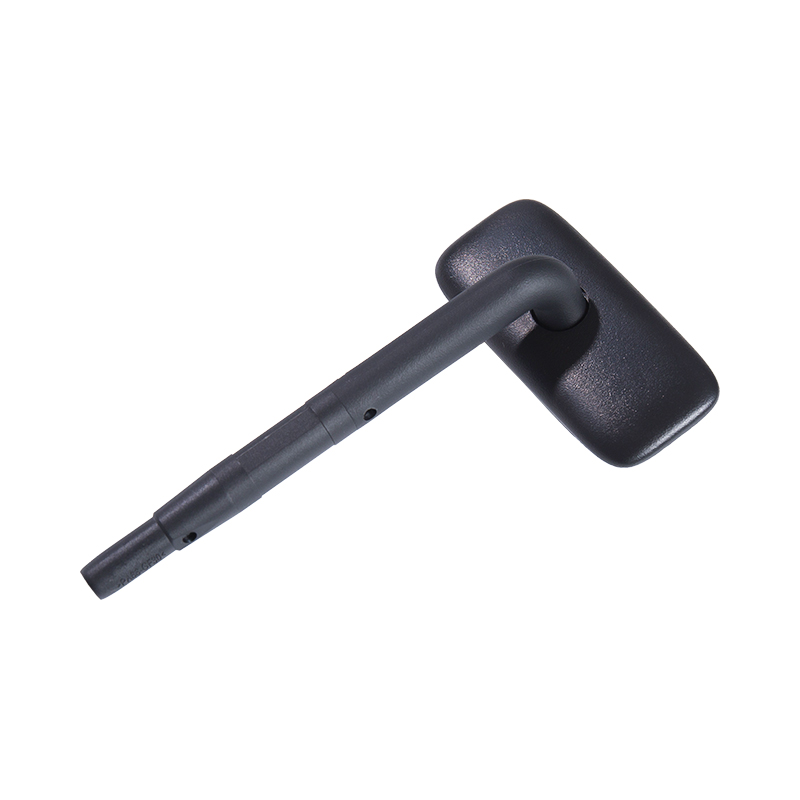
-
HYS-0135
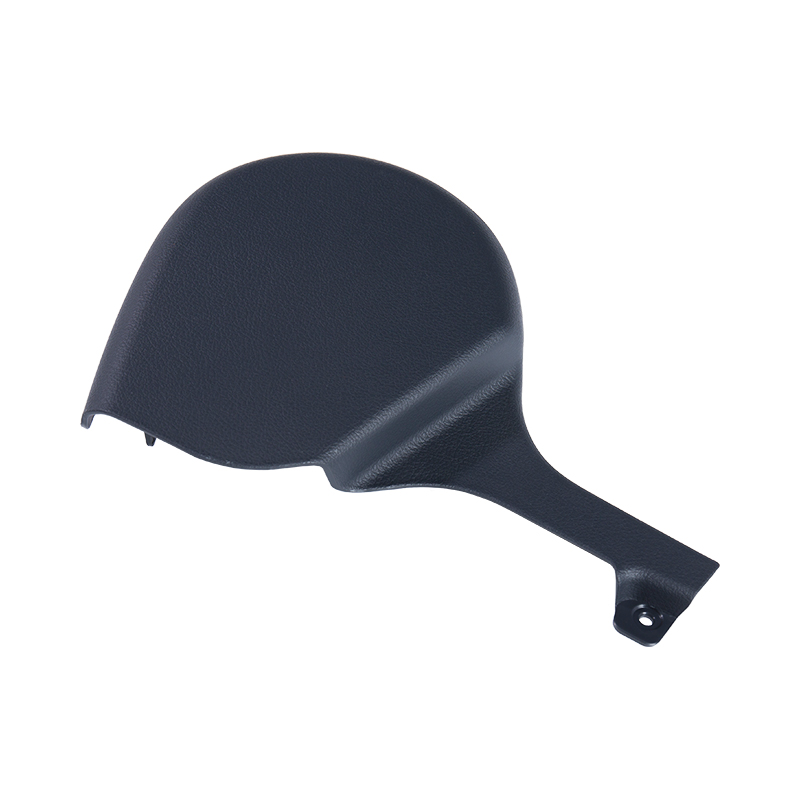
-
HYS-0136
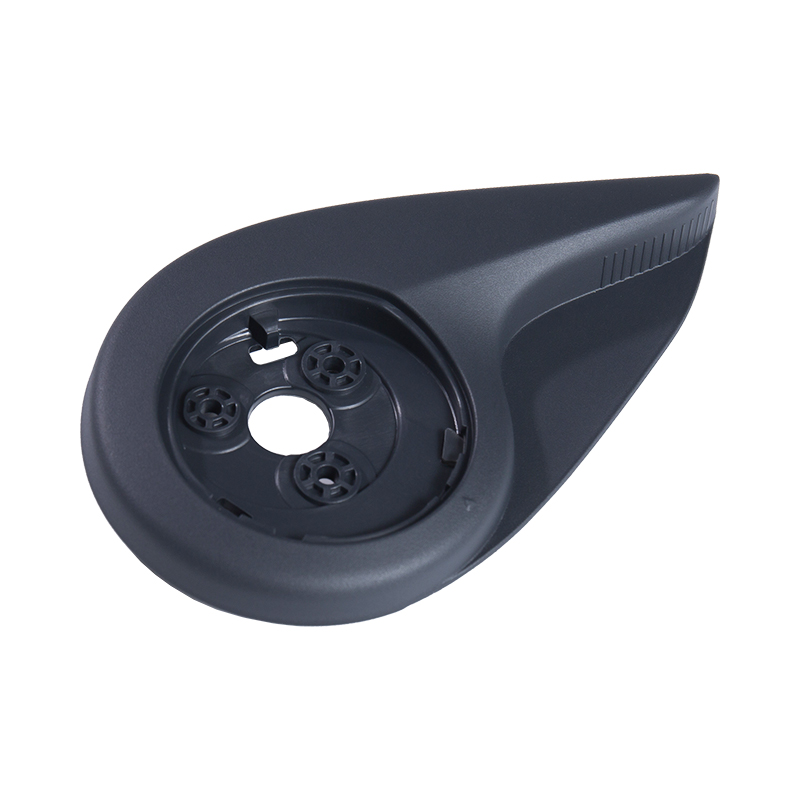
-
HYS-0137
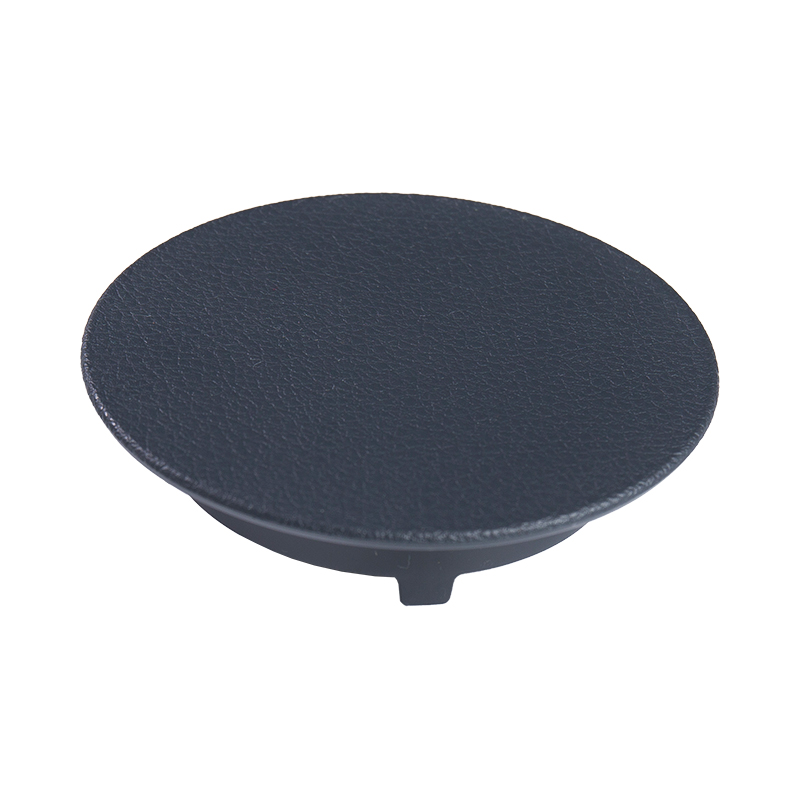
-
HYS-0138
-
HYS-0139
-
HYS-0140
-
HYS-0141
-
HYS-0142
-
HYS-0143
-
HYS-0144
-
HYS-0145
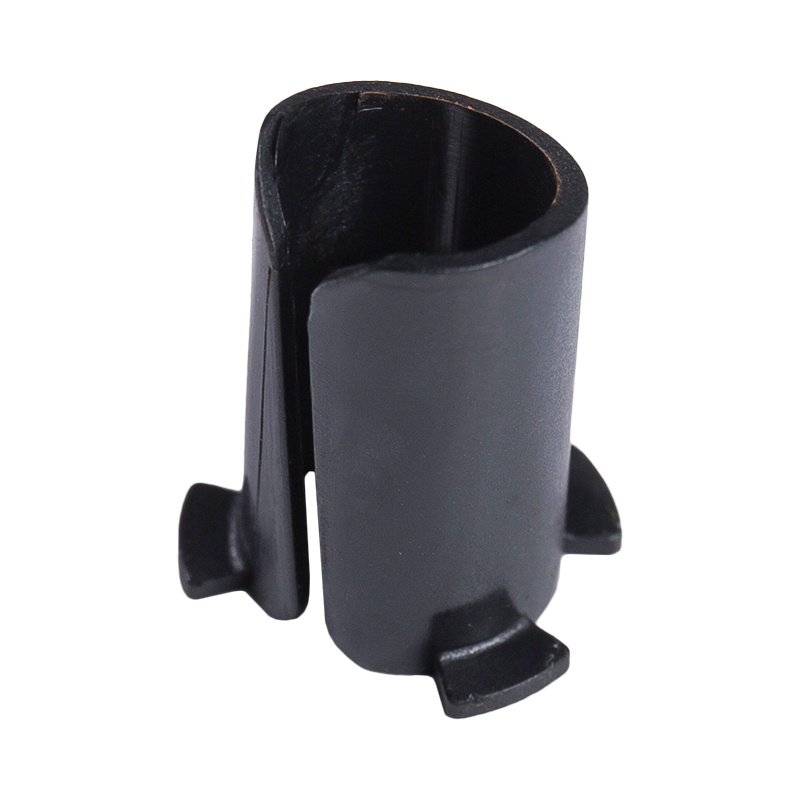
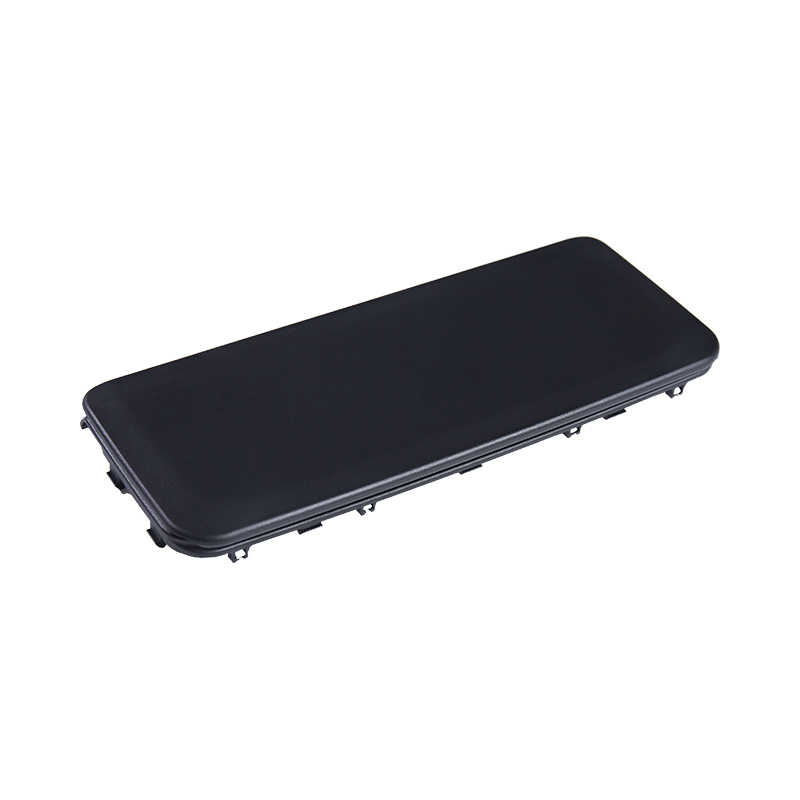
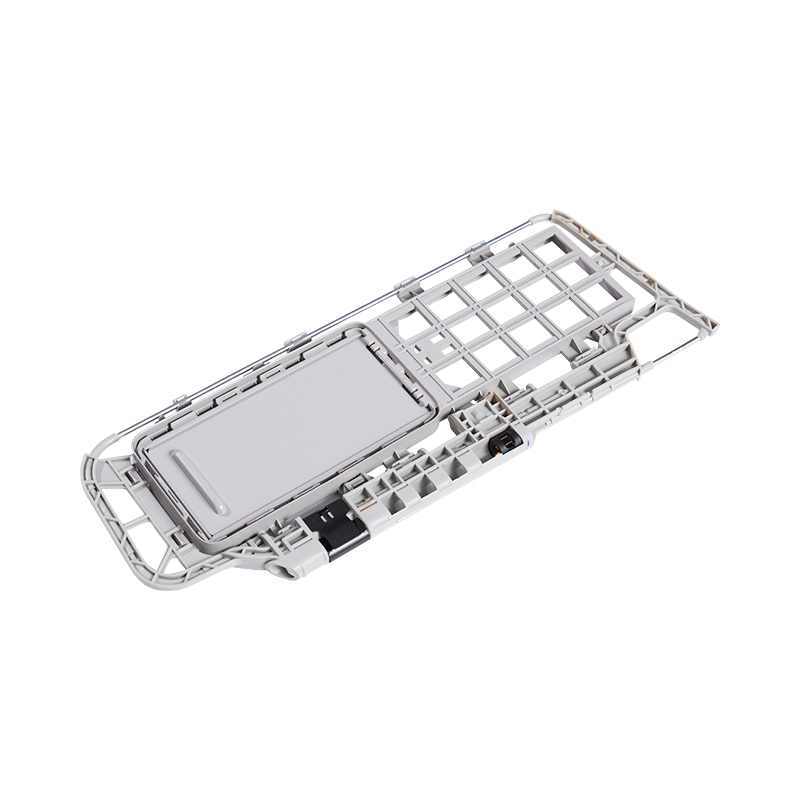
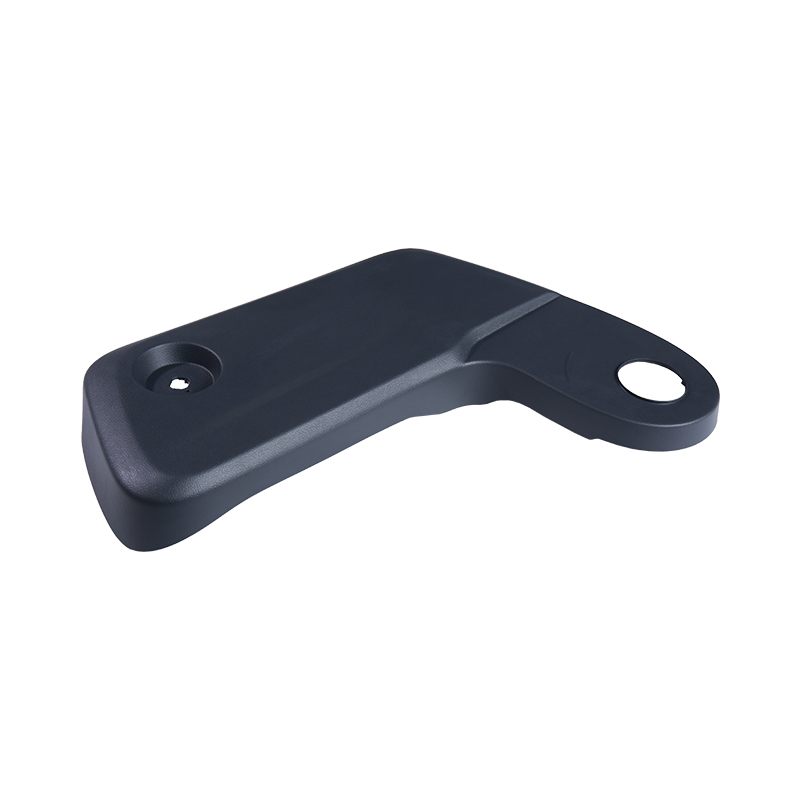
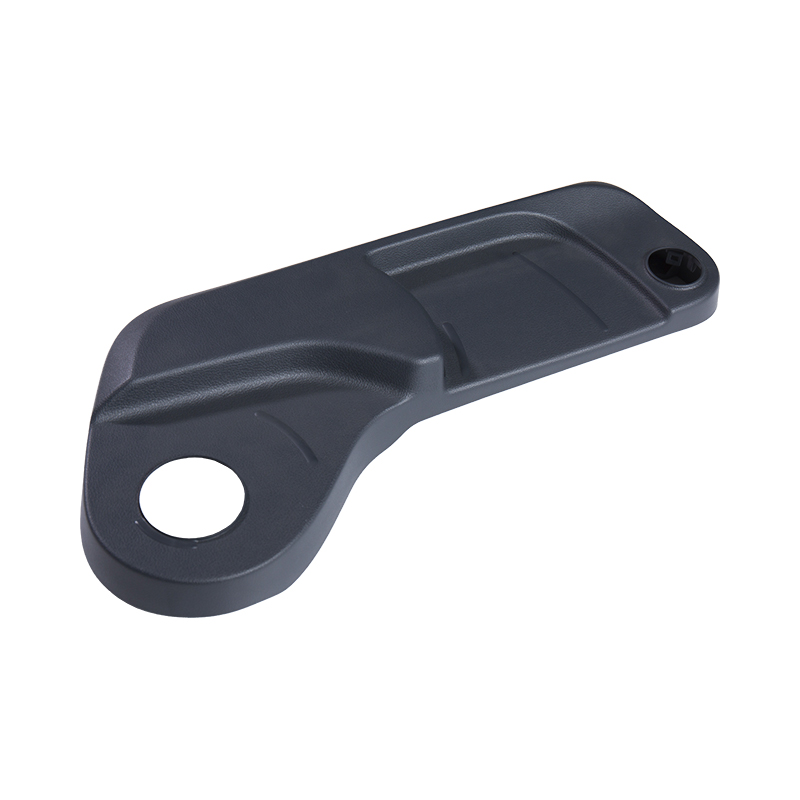
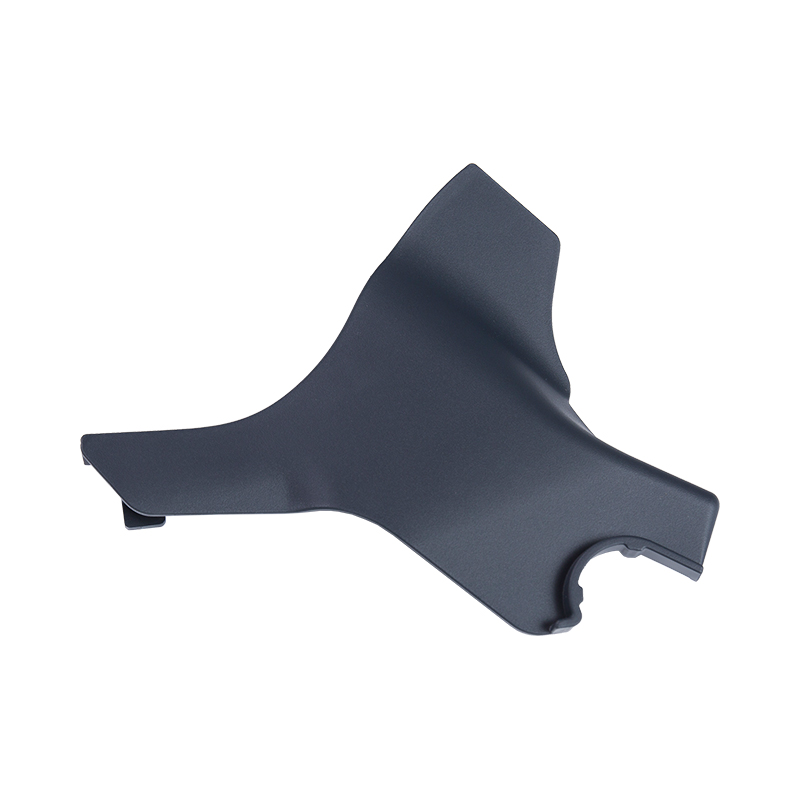
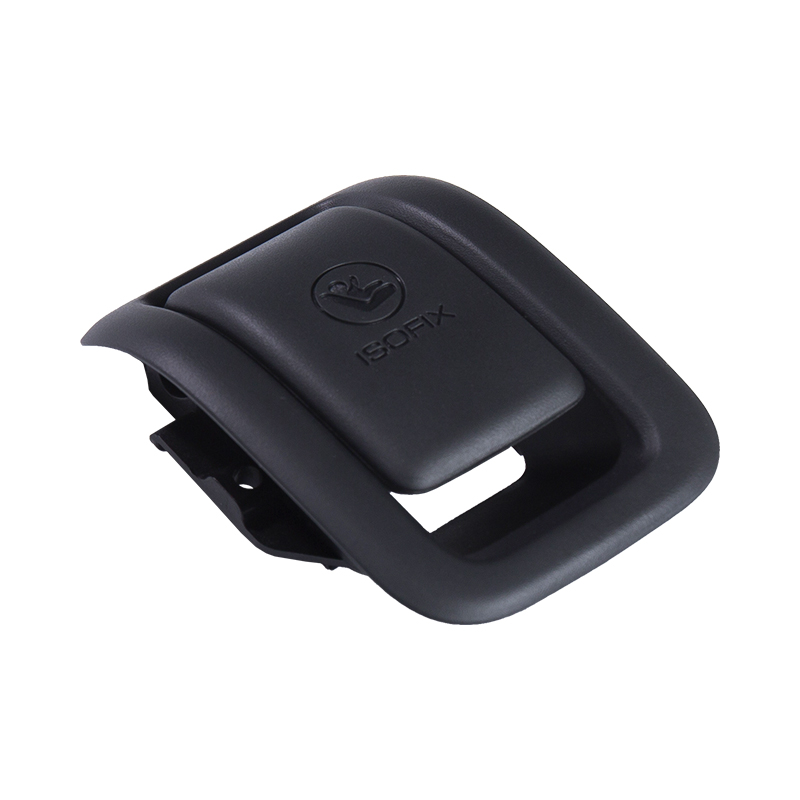
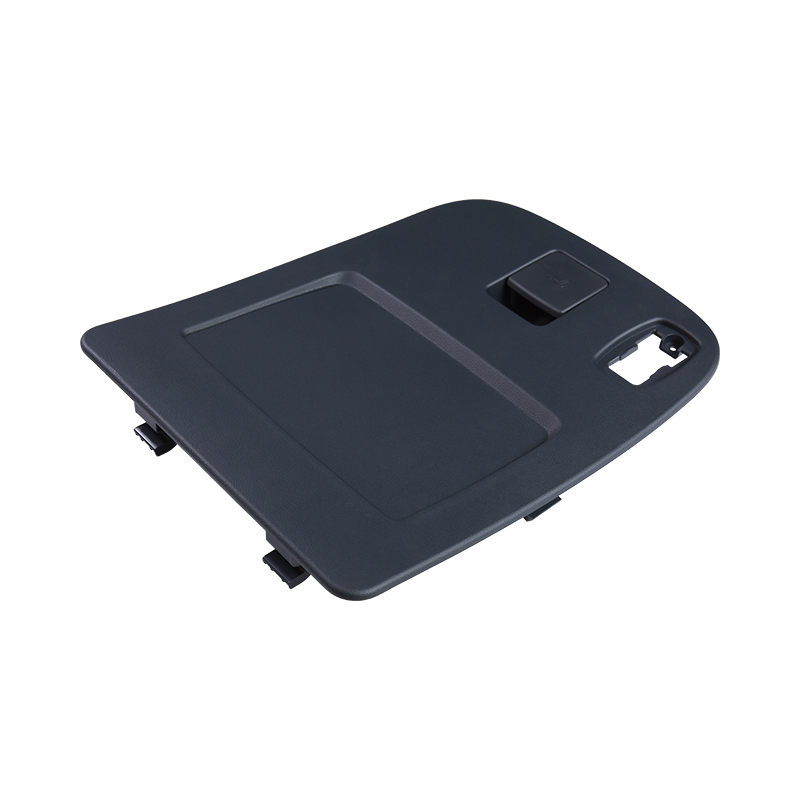
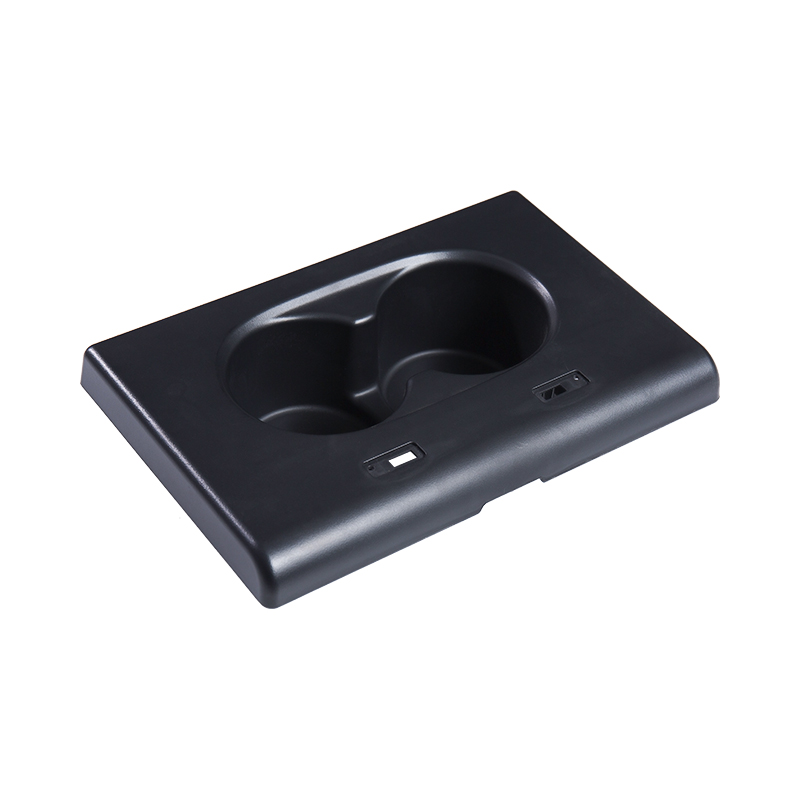
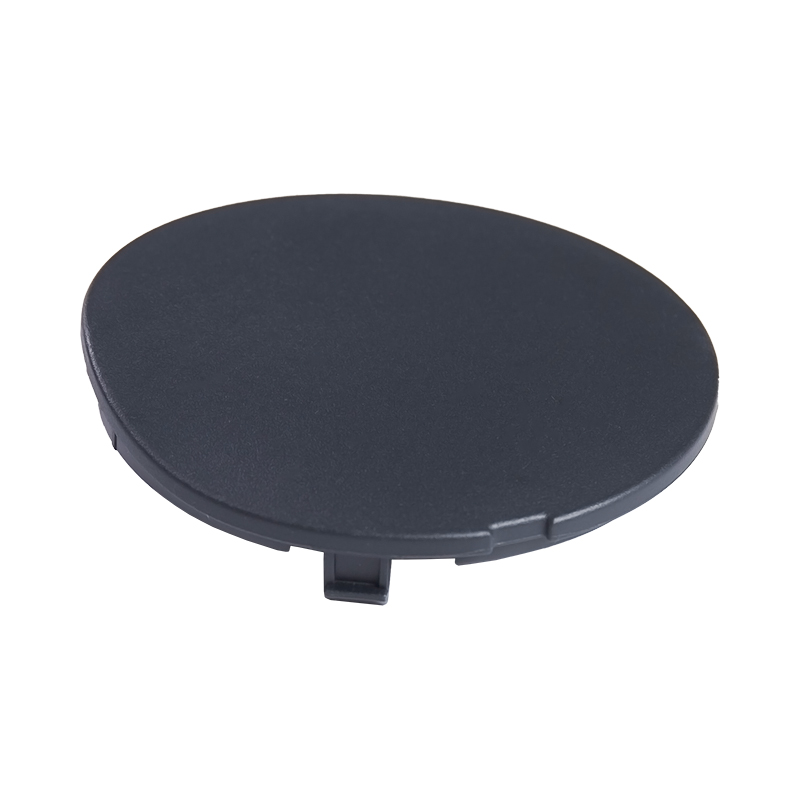
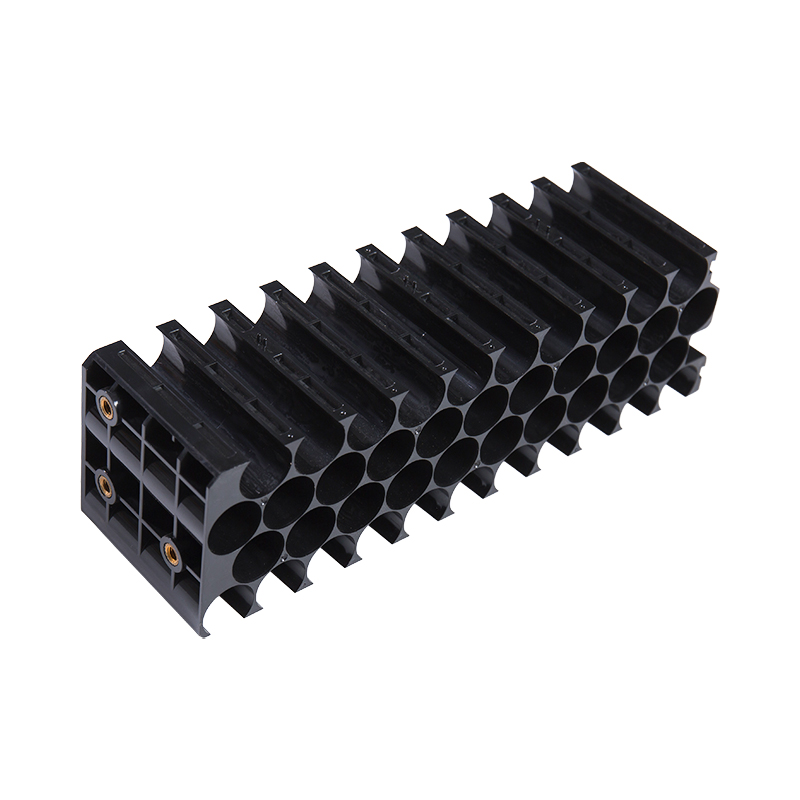
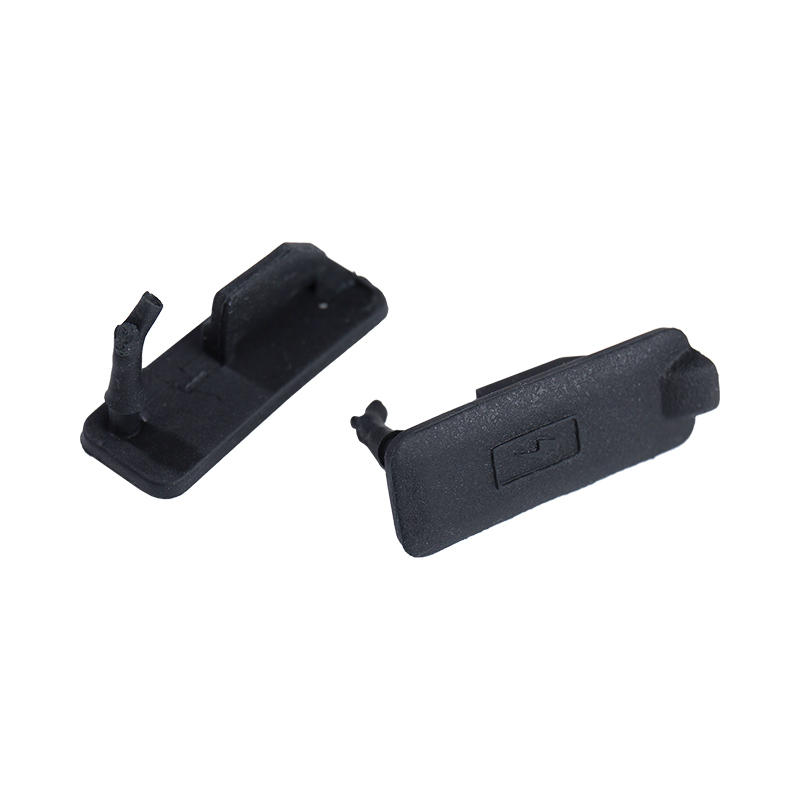
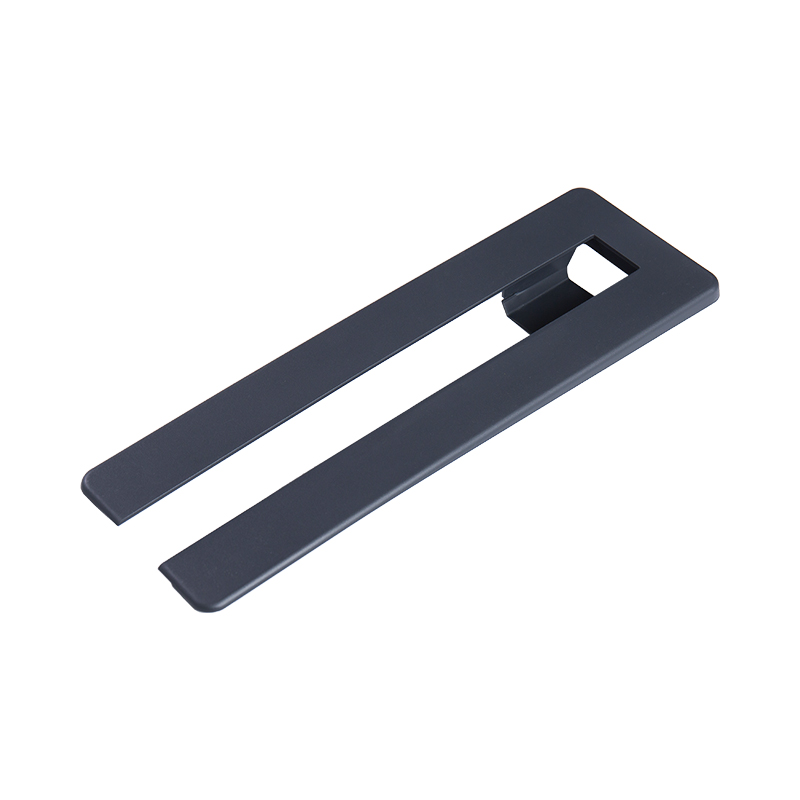
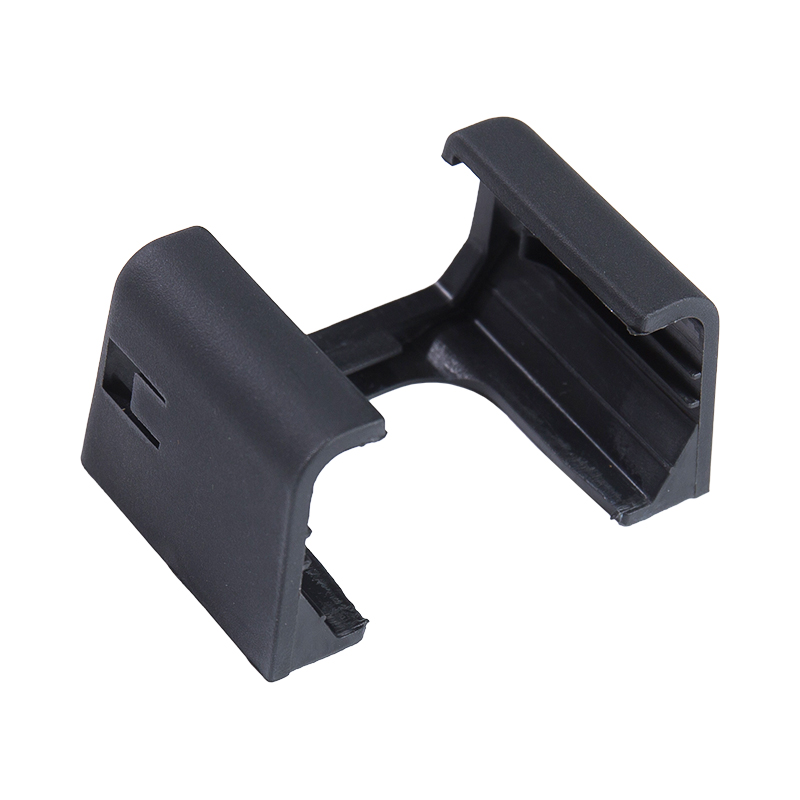
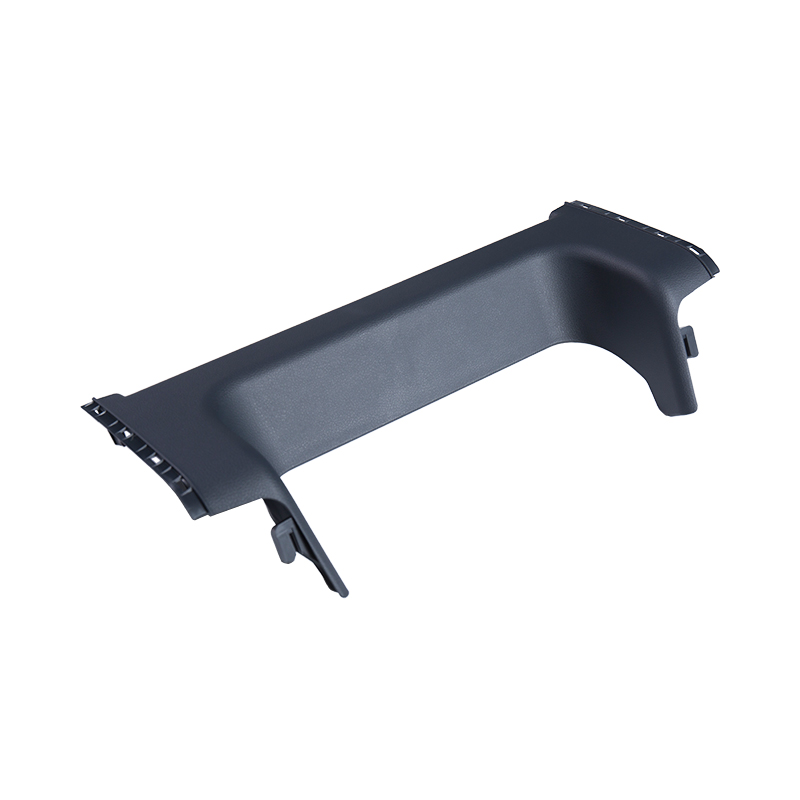
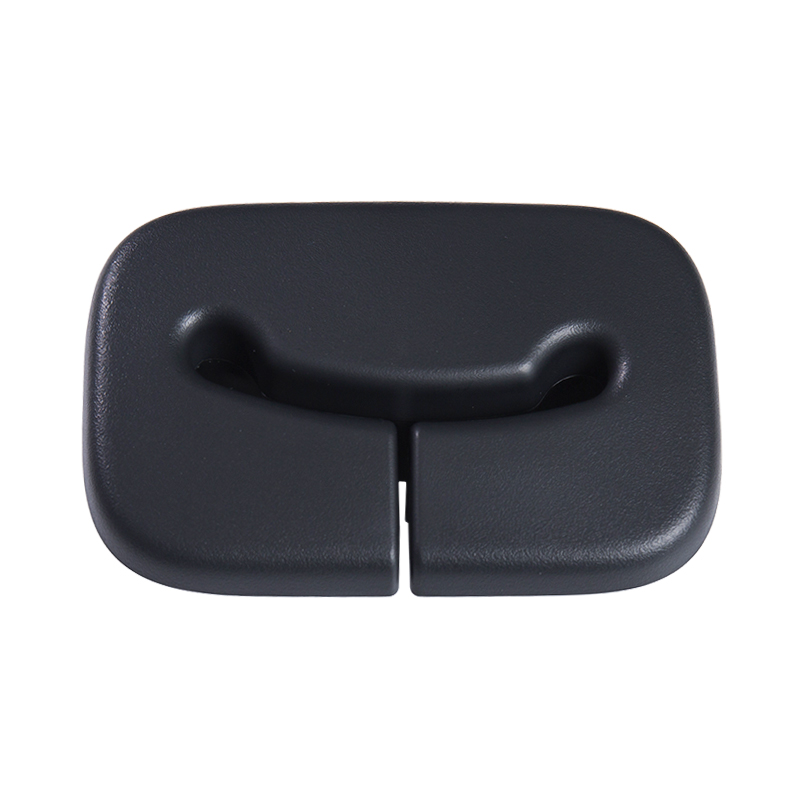
Automotive injection moulded parts refers to the automotive parts produced by injection moulding process, which is the process of moulding plastic in molten state through the action of injection machine and mould, after cooling and curing to get the moulded products. The characteristics of automotive injection moulded parts are easy to use, beautiful appearance, stable quality, etc., which can be adapted to different automotive driving conditions and working environments. Automotive injection moulded parts are divided into different types such as sensor parts, electrical parts, piping parts, exterior parts, interior parts, etc., which are widely used in the field of automobile manufacturing and maintenance. Our automotive injection moulded parts current production has been involved in the application of heavy multiple models in various functional areas.
About
Kunshan Hong Yong Sheng Precision Hardware Products Co.,Ltd.
Kunshan Hong Yongsheng Precision Hardware Products Co., Ltd. was established in September 2006, is a professional China Automotive Injection Moulded Parts manufacturer and Automotive Injection Moulded Parts suppliers, the production of various types of precision parts, PEM series of standard fasteners, non-standard parts of the custom enterprise, the company's production equipment imported from Japan CNC computer numerically-controlled lathes, Taiwan CAM walking knife type high-precision automatic lathes, and various types of auxiliary equipment, precision testing equipment, totaling more than 100 units, monthly output of up to 5 million pieces. Our products are used in many fields such as electronic communications, computer monitors and chassis, automotive parts, 3C household appliances, medical equipment, pneumatic machinery, sports equipment, furniture, lighting, aerospace, military, photovoltaic, intelligent industry and so on, and we have the technical ability to develop new products.
The company has obtained two quality system management certificates of ISO9001:2015 and IATF16949:2016.
At present, the company has been for Japan, Sweden, the United States, Singapore, Malaysia, Hong Kong and the Pearl River Delta and many other customers to provide services, now the main customers are: Japan Sharp (SHARP), Japan SMC, Japan Panasonic (Panasonic), the Swedish automobile VOVOL, etc., all the fixed assets investment of more than 30 million dollars, welcome friends from all walks of life to the factory to visit, study, consulting and come! We welcome friends from all walks of life to visit our factory, investigate, consult and come to us for sample processing.
We are looking forward to establishing a good business partnership with you with mutual trust and reciprocity!
The company has obtained two quality system management certificates of ISO9001:2015 and IATF16949:2016.
At present, the company has been for Japan, Sweden, the United States, Singapore, Malaysia, Hong Kong and the Pearl River Delta and many other customers to provide services, now the main customers are: Japan Sharp (SHARP), Japan SMC, Japan Panasonic (Panasonic), the Swedish automobile VOVOL, etc., all the fixed assets investment of more than 30 million dollars, welcome friends from all walks of life to the factory to visit, study, consulting and come! We welcome friends from all walks of life to visit our factory, investigate, consult and come to us for sample processing.
We are looking forward to establishing a good business partnership with you with mutual trust and reciprocity!
Certificate Of Honor
News
-
-
Cylindricity is one of those GD&T terms that can sound abstract until a shaft will not slide into a bearing, a seal starts to leak, or a rotating assembly develops a vibration that is hard to tra...
READ MORE -
Why Multi-Stepped Parts Show Tool Marks on Conventional Lathes Buyers who source long, slender shafts with many steps, grooves, and shoulders often run into the same problem: the finished parts show v...
READ MORE -
Facing is usually the first operation a new machinist learns, and it is often the one that quietly decides whether a part is good or scrap. If you have watched a tool travel straight across the end o...
READ MORE
Automotive Injection Moulded Parts Industry knowledge
Which plastic materials are best for automotive injection molded parts?
In the application of automotive injection molded parts, selecting the appropriate plastic material is usually based on a range of factors, including mechanical properties, heat resistance, chemical resistance, processing performance, cost-effectiveness, and aesthetics. Here are several plastic materials widely considered suitable for automotive injection molded parts:
Polypropylene (PP): PP is widely used in automotive injection molded parts due to its lightweight, cost-effectiveness, good chemical resistance, and excellent processing performance. It can be used to manufacture interior parts such as dashboards, door panels, air ducts, and fans, as well as some under-the-hood components. To improve PP’s heat resistance and rigidity, it is often modified with fillers or copolymers, such as talc or glass fibers.
ABS Resin: ABS resin is known for its excellent mechanical properties (such as high strength and good impact resistance) and processing performance. It is commonly used to manufacture automotive body panels, headlamp housings, wheel covers, dashboard trim, and interior decorative strips. Additionally, ABS can be blended with other materials like PVC and PC to achieve better performance through alloying techniques.
Polycarbonate (PC): PC is an ideal choice for automotive lighting systems (such as transparent covers for taillights and headlights) due to its high transparency, impact resistance, and heat resistance. PC can also be used to manufacture interior decorative parts that require high transparency and impact resistance.
PC/ABS Blends: This blend combines the impact resistance of PC and the processing performance of ABS, offering excellent surface appearance and mechanical properties. It is often used to manufacture automotive dashboards, consoles, trim strips, and some high-appearance interior and exterior parts.
Polyamide (PA): PA, especially reinforced PA such as glass fiber-reinforced PA66, is suitable for manufacturing high-temperature and mechanically stressed components in the engine compartment, such as intake manifolds, cooling fans, and engine mounts, due to its high strength, heat resistance, and chemical resistance.
Polyoxymethylene (POM): POM has excellent wear resistance, rigidity, and chemical stability, making it suitable for manufacturing moving parts in cars, such as gears, bearings, and door lock components. Its low friction coefficient also makes it ideal for sliding applications.
Polyvinyl Chloride (PVC): PVC has good flexibility, cost-effectiveness, and ease of processing, and is commonly used to manufacture automotive seals, cable sheaths, and hoses. Its flexibility and the ability to be adjusted with plasticizers make it suitable for specific applications in automotive injection molded parts.
Polybutylene Terephthalate (PBT): PBT is favored for its heat resistance, chemical resistance, and electrical insulation properties, making it commonly used to manufacture electrical components such as ignition system parts, sensors, and connectors. PBT can also be used to make some structural parts in high-temperature environments.
Thermoplastic Elastomers (TPE/TPR): TPE/TPR are used for making automotive handles, seals, and gaskets due to their softness and elasticity. They provide a good tactile feel and cushioning performance and can bond with various plastic materials, facilitating composite molding.
The choice of material depends on the specific requirements of the automotive injection molded parts, including performance, cost, processing methods, and environmental impact. As technology advances and new materials are introduced, the applications and performance of these materials continue to expand and improve.

If you are interested in our products, please consult us
Kunshan Hong Yong Sheng Precision Hardware Products Co.,Ltd. All Rights Reserved. Custom Automotive Injection Moulded Parts Manufacturer
