русский
 Español
 中文简体
中文简体

Non-Standard Custom Fasteners for Specialized Industrial Requirements Standard screws and fasteners are suitable for many general assembly applications, but modern industrial equipment often requires ...
READ MOREAutomotive Insert Bushings Manufacturer
-
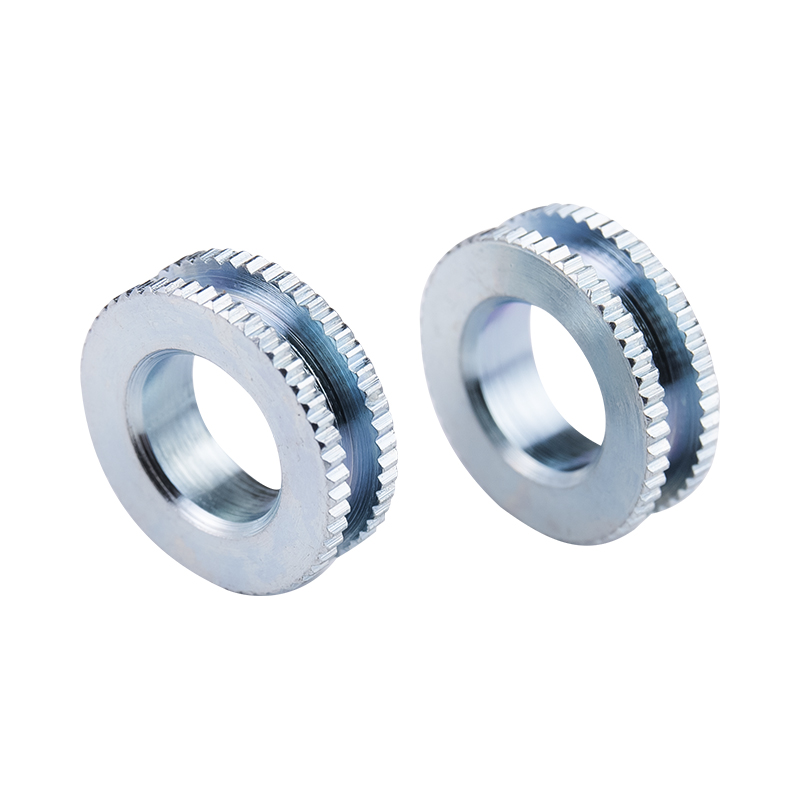
HYS-0103
-
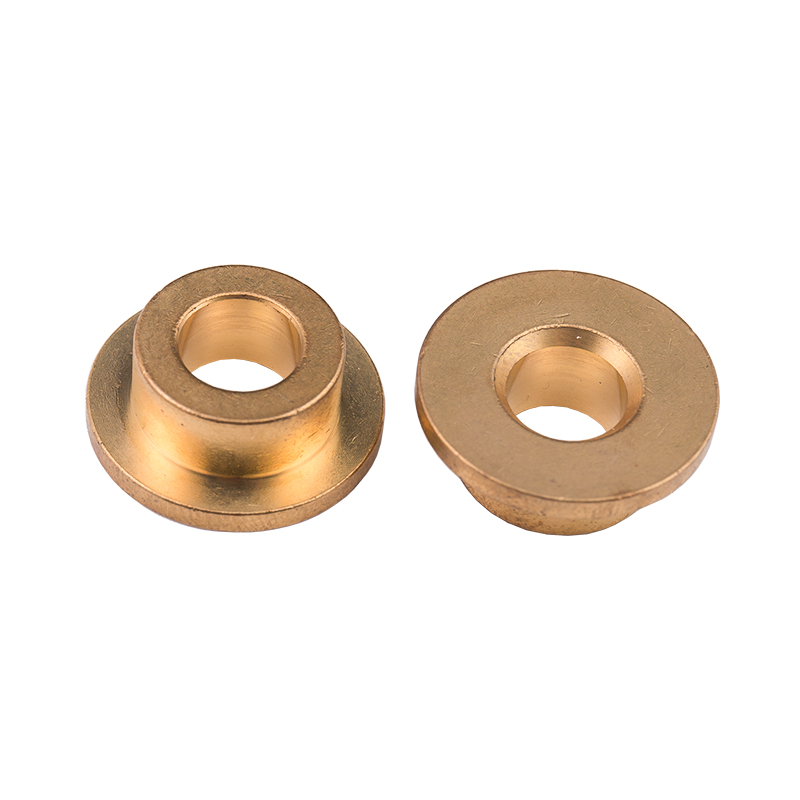
HYS-0104
-
HYS-0105
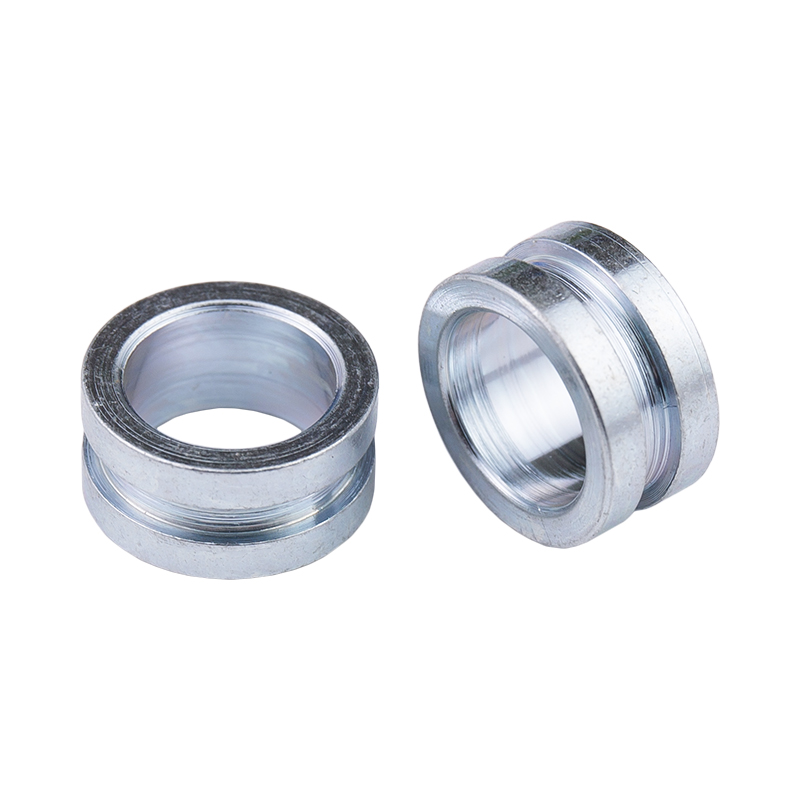
The use of automotive embedded bushings is more flexible, it can play a lot of roles, in general, embedded in the car to a variety of plastic parts, is to protect the equipment of a class of components. The use of bushings can reduce the wear and tear of equipment, vibration and noise, and have the effect of corrosion prevention. The use of bushings can also facilitate the maintenance of machinery and equipment, simplify the structure of equipment and manufacturing process.
We have our own Automotive Insert Bushings factory in China, so we can OEM/ODM standard and non-standard fasteners, Precision Hardware Parts and accessories. We export and wholesale Automotive Insert Bushings since 2006.
About
Kunshan Hong Yong Sheng Precision Hardware Products Co.,Ltd.
Kunshan Hong Yongsheng Precision Hardware Products Co., Ltd. was established in September 2006, is a professional China Automotive Insert Bushings manufacturer and factory, the production of various types of precision parts, PEM series of standard fasteners, non-standard parts of the custom enterprise, the company's production equipment imported from Japan CNC computer numerically-controlled lathes, Taiwan CAM walking knife type high-precision automatic lathes, and various types of auxiliary equipment, precision testing equipment, totaling more than 100 units, monthly output of up to 5 million pieces. Our products are used in many fields such as electronic communications, computer monitors and chassis, automotive parts, 3C household appliances, medical equipment, pneumatic machinery, sports equipment, furniture, lighting, aerospace, military, photovoltaic, intelligent industry and so on, and we have the technical ability to develop new products.
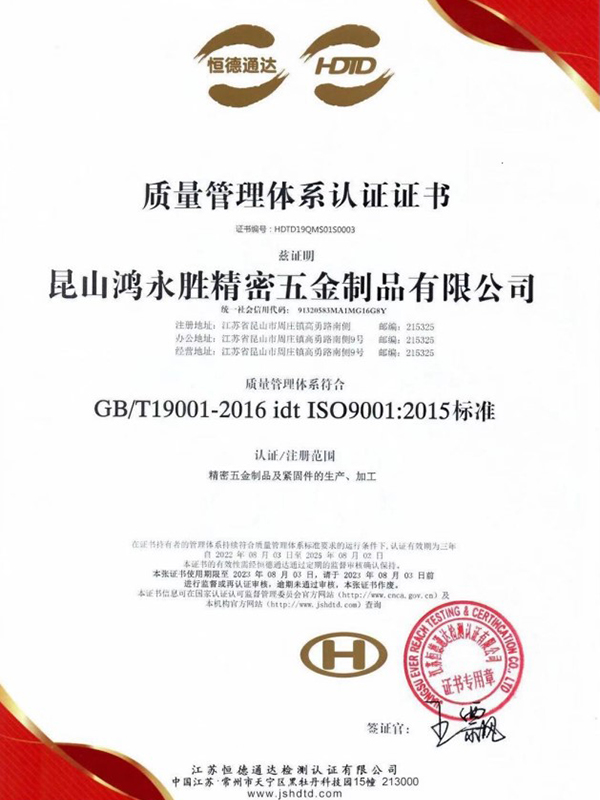
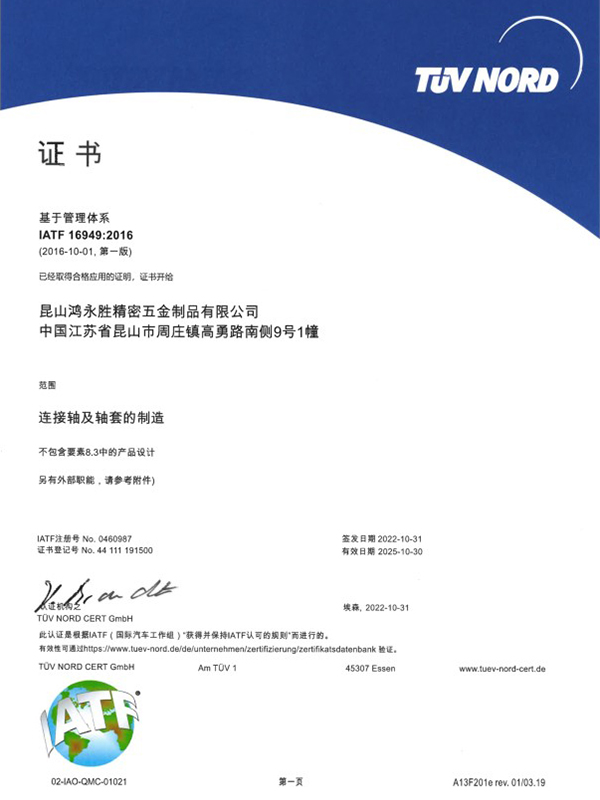
The company has obtained two quality system management certificates of ISO9001:2015 and IATF16949:2016.
At present, the company has been for Japan, Sweden, the United States, Singapore, Malaysia, Hong Kong and the Pearl River Delta and many other customers to provide services, now the main customers are: Japan Sharp (SHARP), Japan SMC, Japan Panasonic (Panasonic), the Swedish automobile VOVOL, etc., all the fixed assets investment of more than 30 million dollars, welcome friends from all walks of life to the factory to visit, study, consulting and come! We welcome friends from all walks of life to visit our factory, investigate, consult and come to us for sample processing.
We are looking forward to establishing a good business partnership with you with mutual trust and reciprocity!
The company has obtained two quality system management certificates of ISO9001:2015 and IATF16949:2016.
At present, the company has been for Japan, Sweden, the United States, Singapore, Malaysia, Hong Kong and the Pearl River Delta and many other customers to provide services, now the main customers are: Japan Sharp (SHARP), Japan SMC, Japan Panasonic (Panasonic), the Swedish automobile VOVOL, etc., all the fixed assets investment of more than 30 million dollars, welcome friends from all walks of life to the factory to visit, study, consulting and come! We welcome friends from all walks of life to visit our factory, investigate, consult and come to us for sample processing.
We are looking forward to establishing a good business partnership with you with mutual trust and reciprocity!
Certificate Of Honor
News
-
-
Imagine you are sourcing a precision shaft that carries a bearing on one end and slides through a hydraulic seal along its length. The drawing shows a circularity tolerance of 0.01 mm on the bearing ...
READ MORE -
What Is a Steel Sleeve and Where It Is Used A steel sleeve is a hollow cylindrical component used to protect a shaft, reduce friction, provide a wear-resistant bearing surface, or act as a spacer betw...
READ MORE -
When you have a batch of cylindrical components to machine, the CNC turning lathe is usually the first machine tool that comes to mind. It solves a straightforward problem: rotate the workpiece while...
READ MORE
Automotive Insert Bushings Industry knowledge
How do automotive insert bushings contribute to noise reduction and vibration dampening within a vehicle?
Automotive insert bushings play a crucial role in noise reduction and vibration dampening within a vehicle. Here are the key ways they contribute to these functions:
Isolation of Vibrations:Insert bushings act as a buffer between the metal parts of the vehicle, such as the chassis and suspension components. By doing so, they isolate vibrations generated by the engine, road surface, and other mechanical parts. This isolation prevents the vibrations from being transmitted through the vehicle's structure and into the cabin, thereby reducing noise and improving ride comfort.
Damping of Oscillations:Bushings are typically made from materials like rubber, polyurethane, or other elastomers that have inherent damping properties. These materials can absorb and dissipate energy from oscillations and shocks, converting kinetic energy into heat. This damping effect reduces the amplitude of vibrations and the noise they generate.
Reduction of Metal-to-Metal Contact:Direct contact between metal parts can result in the transmission of noise and harshness throughout the vehicle. Insert bushings create a flexible barrier that prevents metal-to-metal contact, thus significantly reducing the transmission of noise and vibration. This is particularly important in areas like suspension systems, engine mounts, and transmission mounts.
Control of Movement:Bushings help in controlling the movement of suspension and steering components. By providing a controlled amount of flexibility, they allow these components to move and articulate without excessive play. This control reduces unwanted vibrations and noise, contributing to a smoother and quieter ride.
Frequency Tuning:Different bushings can be designed to target specific frequencies of vibration. By tuning the stiffness and damping properties of the bushing material, manufacturers can optimize the bushings to attenuate specific ranges of vibration frequencies that are most likely to cause noise and discomfort within the vehicle cabin.
Longevity and Maintenance:High-quality bushings reduce wear and tear on other components by cushioning impacts and vibrations. This prolongs the life of various vehicle parts and maintains optimal performance, indirectly contributing to sustained noise and vibration control over time.
Examples in Practice
Engine Mounts: Bushings in engine mounts absorb and isolate engine vibrations, preventing them from being transmitted to the vehicle frame and interior.
Suspension Bushings: In the suspension system, bushings dampen the impact and vibrations from the road, improving ride quality and reducing noise.
Transmission Mounts: Bushings in transmission mounts help in reducing vibrations from the transmission, leading to a quieter and smoother drive.
By effectively addressing the sources of noise and vibration and by optimizing the transmission paths, automotive insert bushings significantly enhance the comfort and acoustic quality of a vehicle.

If you are interested in our products, please consult us
Kunshan Hong Yong Sheng Precision Hardware Products Co.,Ltd. All Rights Reserved. OEM/ODM Automotive Insert Bushings Manufacturer