

 русский
 Español
 中文简体
中文简体

Non-Standard Custom Fasteners for Specialized Industrial Requirements Standard screws and fasteners are suitable for many general assembly applications, but modern industrial equipment often requires ...
READ MORECarbon Steel Lock Cylinder Manufacturers
-
HYS-0114
-
HYS-0115
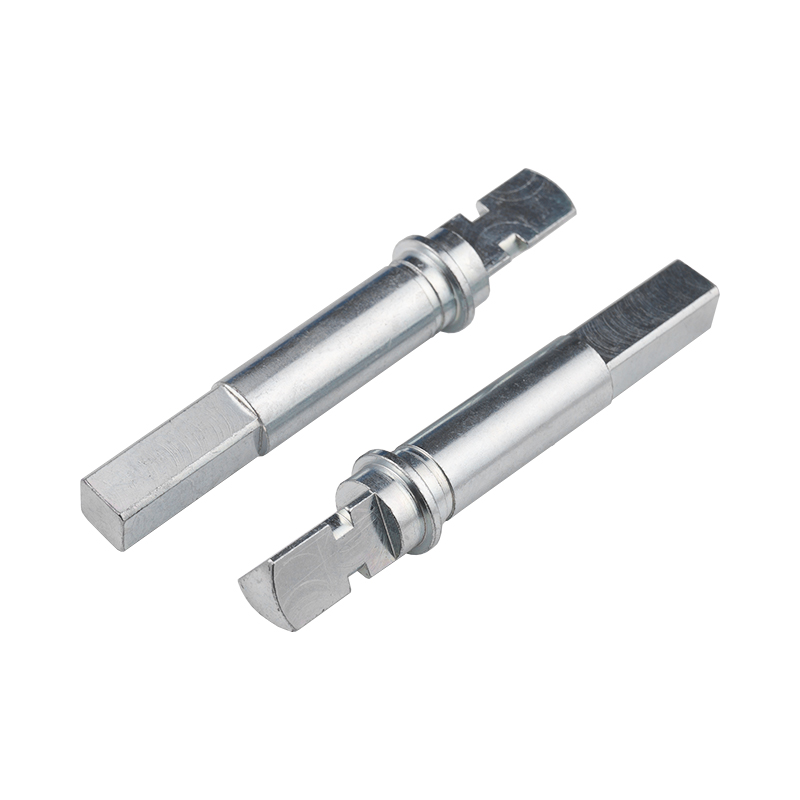
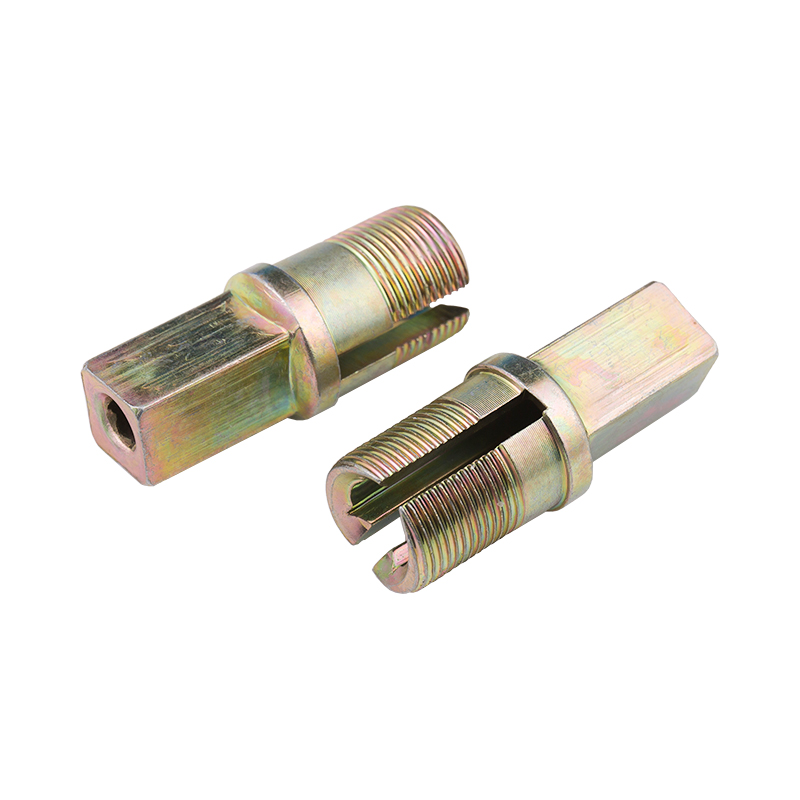
Carbon steel lock cylinders, manufactured using high-strength carbon steel materials as the foundation, exhibit mechanical properties and stability. This material possesses high strength and resistance to bending, making carbon steel lock cylinders capable of effectively resisting external forces and potential acts of destruction in residential, commercial, and industrial environments, providing users with robust security. The sturdy structural design further increases the difficulty of tampering, ensuring high security and reliability of the locks. We are aware that every detail is crucial to the final product quality. Therefore, throughout the manufacturing process, we rigorously control the shape, size, and surface finish of carbon steel lock cylinders. With advanced processing technology and equipment, we ensure that each component meets strict quality standards. We are committed to providing customers with high-quality products and services, allowing every user to experience our relentless pursuit of quality and steadfast commitment to safety.
About
Kunshan Hong Yong Sheng Precision Hardware Products Co.,Ltd.
Kunshan Hong Yongsheng Precision Hardware Products Co., Ltd. was established in September 2006, is a professional China Carbon Steel Lock Cylinder manufacturer and Carbon Steel Lock Cylinder suppliers, the production of various types of precision parts, PEM series of standard fasteners, non-standard parts of the custom enterprise, the company's production equipment imported from Japan CNC computer numerically-controlled lathes, Taiwan CAM walking knife type high-precision automatic lathes, and various types of auxiliary equipment, precision testing equipment, totaling more than 100 units, monthly output of up to 5 million pieces. Our products are used in many fields such as electronic communications, computer monitors and chassis, automotive parts, 3C household appliances, medical equipment, pneumatic machinery, sports equipment, furniture, lighting, aerospace, military, photovoltaic, intelligent industry and so on, and we have the technical ability to develop new products.
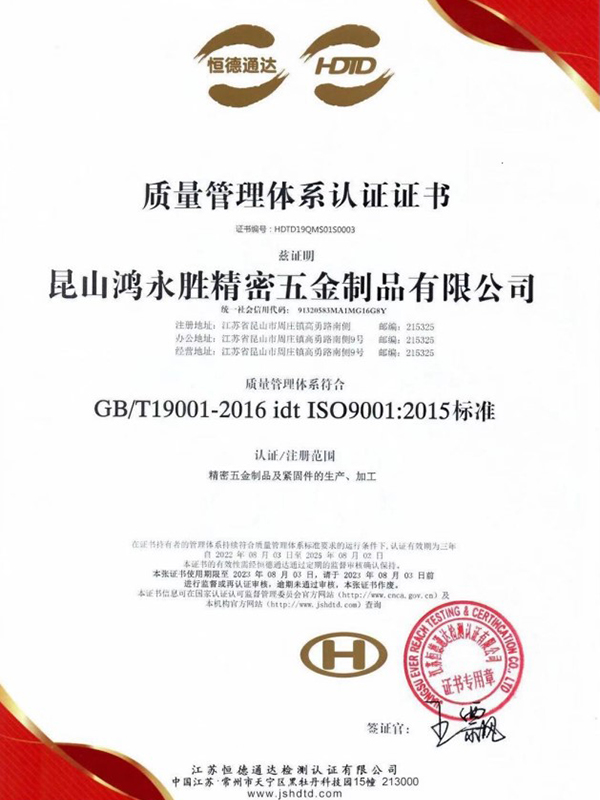
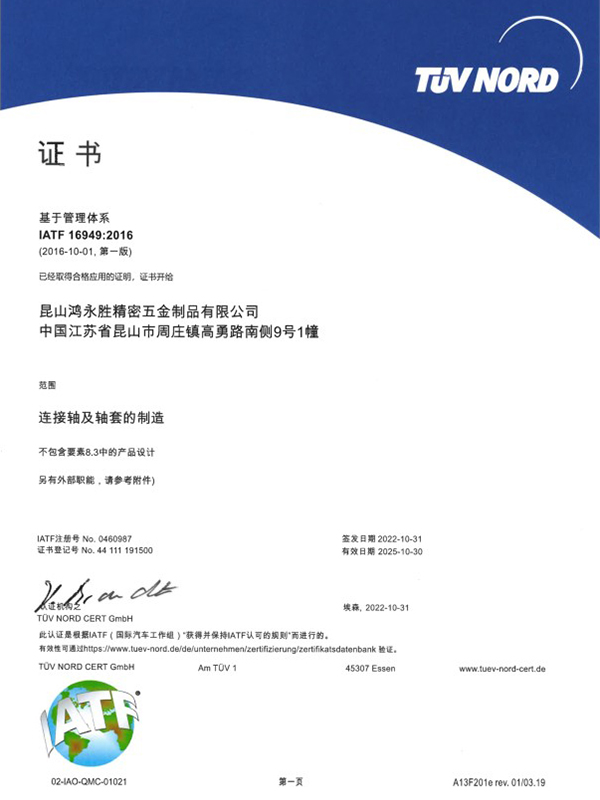
The company has obtained two quality system management certificates of ISO9001:2015 and IATF16949:2016.
At present, the company has been for Japan, Sweden, the United States, Singapore, Malaysia, Hong Kong and the Pearl River Delta and many other customers to provide services, now the main customers are: Japan Sharp (SHARP), Japan SMC, Japan Panasonic (Panasonic), the Swedish automobile VOVOL, etc., all the fixed assets investment of more than 30 million dollars, welcome friends from all walks of life to the factory to visit, study, consulting and come! We welcome friends from all walks of life to visit our factory, investigate, consult and come to us for sample processing.
We are looking forward to establishing a good business partnership with you with mutual trust and reciprocity!
The company has obtained two quality system management certificates of ISO9001:2015 and IATF16949:2016.
At present, the company has been for Japan, Sweden, the United States, Singapore, Malaysia, Hong Kong and the Pearl River Delta and many other customers to provide services, now the main customers are: Japan Sharp (SHARP), Japan SMC, Japan Panasonic (Panasonic), the Swedish automobile VOVOL, etc., all the fixed assets investment of more than 30 million dollars, welcome friends from all walks of life to the factory to visit, study, consulting and come! We welcome friends from all walks of life to visit our factory, investigate, consult and come to us for sample processing.
We are looking forward to establishing a good business partnership with you with mutual trust and reciprocity!
Certificate Of Honor
News
-
-
Imagine you are sourcing a precision shaft that carries a bearing on one end and slides through a hydraulic seal along its length. The drawing shows a circularity tolerance of 0.01 mm on the bearing ...
READ MORE -
What Is a Steel Sleeve and Where It Is Used A steel sleeve is a hollow cylindrical component used to protect a shaft, reduce friction, provide a wear-resistant bearing surface, or act as a spacer betw...
READ MORE -
When you have a batch of cylindrical components to machine, the CNC turning lathe is usually the first machine tool that comes to mind. It solves a straightforward problem: rotate the workpiece while...
READ MORE
Carbon Steel Lock Cylinder Industry knowledge
What manufacturing techniques are used to achieve the tight tolerances in high-security carbon steel lock cylinders?
Achieving tight tolerances in high-security carbon steel lock cylinders is crucial for ensuring their resistance to tampering and overall reliability. Several advanced manufacturing techniques are employed to attain these precise measurements:
Precision Machining:
CNC Machining: Computer Numerical Control (CNC) machines are used to precisely cut and shape the lock components to very tight tolerances. CNC machines can consistently produce parts with high precision, which is essential for high-security locks.
EDM (Electrical Discharge Machining): This technique uses electrical discharges to erode material from the lock components, allowing for extremely precise shaping and detailing, especially in hard-to-reach areas.
High-Precision Grinding:
Surface Grinding: This process ensures that the surfaces of the lock components are perfectly flat and smooth, which is crucial for maintaining tight tolerances.
Cylindrical Grinding: Used for round parts of the lock, this process ensures that the cylindrical components meet the exact diameter specifications required for a secure fit.
Laser Cutting:
Laser cutting provides high precision and control over the material removal process, allowing for intricate designs and tight tolerances that are difficult to achieve with traditional cutting methods.
Wire EDM:
Wire Electrical Discharge Machining (Wire EDM) is used to cut complex shapes and fine details in the lock components with exceptional precision. This technique is particularly useful for creating the intricate internal components of high-security carbon steel lock cylinders.
Heat Treatment:
Tempering and Hardening: These processes alter the physical properties of the carbon steel lock cylinder components, making them more durable and wear-resistant. Precise control over the heat treatment process ensures that the parts maintain their tight tolerances even after undergoing significant thermal stress.
Metrology and Inspection:
Coordinate Measuring Machines (CMM): These machines are used to measure the dimensions of lock components with high accuracy, ensuring they meet the required tolerances.
Optical Comparators: These devices project an enlarged image of the lock component onto a screen, allowing for precise measurement and inspection of its dimensions.
Laser Scanning: Laser scanners can create detailed 3D models of the lock components, which are then compared to the original CAD designs to ensure compliance with tolerance specifications.
High-Quality Materials:Using high-quality materials that have consistent properties is essential for achieving tight tolerances. Variations in material composition can lead to inconsistencies in the manufacturing process.
Quality Control Processes:
Statistical Process Control (SPC): This method involves monitoring and controlling the manufacturing process through statistical analysis, ensuring that the parts consistently meet the tight tolerances required.
Six Sigma: A set of techniques and tools for process improvement, Six Sigma aims to reduce variability in manufacturing processes, ensuring high precision and quality.
Advanced Software and Design Tools:
CAD/CAM Software: Computer-Aided Design (CAD) and Computer-Aided Manufacturing (CAM) software are used to create detailed designs and control the machining processes. These tools ensure that the designs are accurate and that the manufacturing process can replicate them precisely.
By utilizing these advanced manufacturing techniques, high-security carbon steel lock cylinders can achieve the tight tolerances necessary for superior security and performance.

If you are interested in our products, please consult us
Kunshan Hong Yong Sheng Precision Hardware Products Co.,Ltd. All Rights Reserved. Custom Carbon Steel Lock Cylinder Manufacturer
