

 русский
 Español
 中文简体
中文简体

How Do Automotive Insert Bushings Reduce Vehicle Noise and Vibration?
Industry News-Content
Introduction to Automotive Insert Bushings
Automotive insert bushings are essential components used in suspension systems, engine mounts, and chassis connections to reduce noise, vibration, and harshness (NVH) in vehicles. Designed to absorb and isolate vibrations, these bushings enhance ride comfort, extend the lifespan of mechanical parts, and contribute to the overall refinement of automotive systems.
Fundamental Principles of Noise and Vibration Reduction
Noise and vibration in vehicles typically originate from engine operation, road irregularities, and the movement of mechanical components. Insert bushings mitigate these effects through material properties and structural design:
Elastic Energy Absorption
Bushings are commonly made from elastomers or composite materials that can deform under stress. This deformation absorbs kinetic energy from vibrations, preventing transmission to the vehicle frame or cabin.
Vibration Isolation
By strategically placing bushings between vibrating components and the chassis, mechanical oscillations are isolated, reducing the amplitude of vibrations felt by passengers. Properly engineered bushings tune the system's natural frequency to avoid resonance with common excitation sources.
Material Selection and Design Considerations
The effectiveness of insert bushings in reducing NVH largely depends on the choice of materials and design geometry. Manufacturers must balance stiffness, damping, and durability to achieve optimal performance:
Elastomer Types
Common elastomers include natural rubber, synthetic rubber (like SBR or EPDM), and polyurethane. Each offers a different combination of stiffness and damping. Polyurethane, for example, provides higher durability and load-bearing capacity but slightly reduced vibration isolation compared to soft rubber.
Metallic Reinforcement
Many insert bushings incorporate metallic sleeves or cores that provide structural support and precise alignment. This combination of metal and elastomer allows for efficient load transfer while maintaining vibration absorption.
Geometrical Design
The shape and size of bushings influence their NVH performance. Conical, cylindrical, and layered designs can be optimized for specific vibration frequencies. Finite element analysis (FEA) is often used to predict the deformation behavior under dynamic loads.
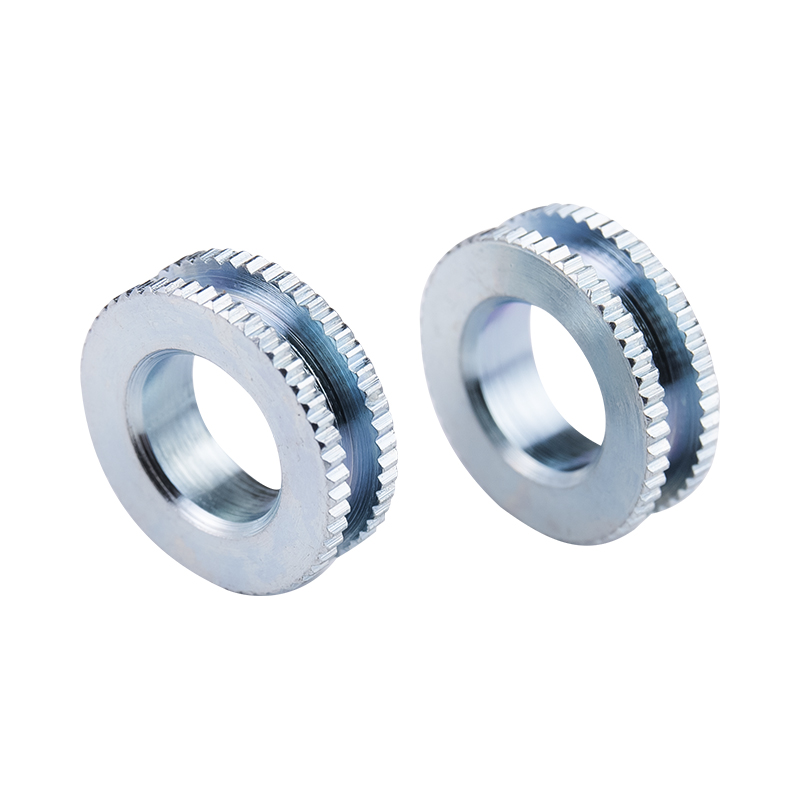
Applications in Vehicle Systems
Insert bushings are utilized in multiple automotive subsystems, each with unique noise and vibration challenges:
Suspension Systems
Control arm and stabilizer bar bushings reduce vibration transmission from uneven road surfaces. They prevent metal-to-metal contact, thus minimizing squeaks and rattles while preserving precise wheel alignment.
Engine and Transmission Mounts
Insert bushings in engine mounts isolate engine vibrations from the chassis. By controlling the stiffness and damping, these bushings prevent harmonic vibrations from propagating into the cabin, improving passenger comfort.
Chassis and Steering Components
Bushings reduce noise from chassis joints and steering linkages. By absorbing micro-vibrations and impacts from road irregularities, they enhance driving stability and reduce NVH at the steering wheel and body.
Comparison Table: Common Bushing Characteristics
| Bushing Type | Material | Stiffness | Damping | Durability |
|---|---|---|---|---|
| Control Arm | EPDM Rubber | Medium | High | Medium |
| Stabilizer Bar | Polyurethane | High | Medium | High |
| Engine Mount | Rubber-Metal Composite | Variable | High | High |
Maintenance and Longevity Considerations
Regular inspection and maintenance of insert bushings are essential to sustain NVH performance. Elastomer degradation due to heat, ozone, or mechanical fatigue can reduce vibration isolation effectiveness. Periodic replacement ensures that the bushings continue to minimize noise and vibration efficiently.
Signs of Wear
Common indicators of bushing wear include increased cabin noise, rattling sounds, uneven tire wear, and reduced suspension stability. Detecting these signs early allows for timely intervention before additional mechanical damage occurs.
Replacement Guidelines
Follow manufacturer recommendations for bushing replacement intervals. Use high-quality replacement parts to maintain the original NVH performance. Proper installation ensures that the bushings function as designed, maintaining vehicle comfort and mechanical reliability.
Conclusion
Automotive insert bushings play a crucial role in reducing noise and vibration in vehicles. By absorbing mechanical energy, isolating vibrations, and providing controlled flexibility, these components enhance passenger comfort, protect mechanical systems, and contribute to the overall NVH performance of modern automobiles. Proper selection, installation, and maintenance of insert bushings ensure long-term durability and optimal operational efficiency.
Our Products //
Hot Products

If you are interested in our products, please consult us
Kunshan Hong Yong Sheng Precision Hardware Products Co.,Ltd. All Rights Reserved. Customised Fastener Manufacturer in China
