

 русский
 Español
 中文简体
中文简体

Why Are Single-Lumen Plate Self-Locking Nuts Used in Aerospace and Automotive Structures?
Industry News-Content
Introduction to Single-Lumen Plate Self-Locking Nuts
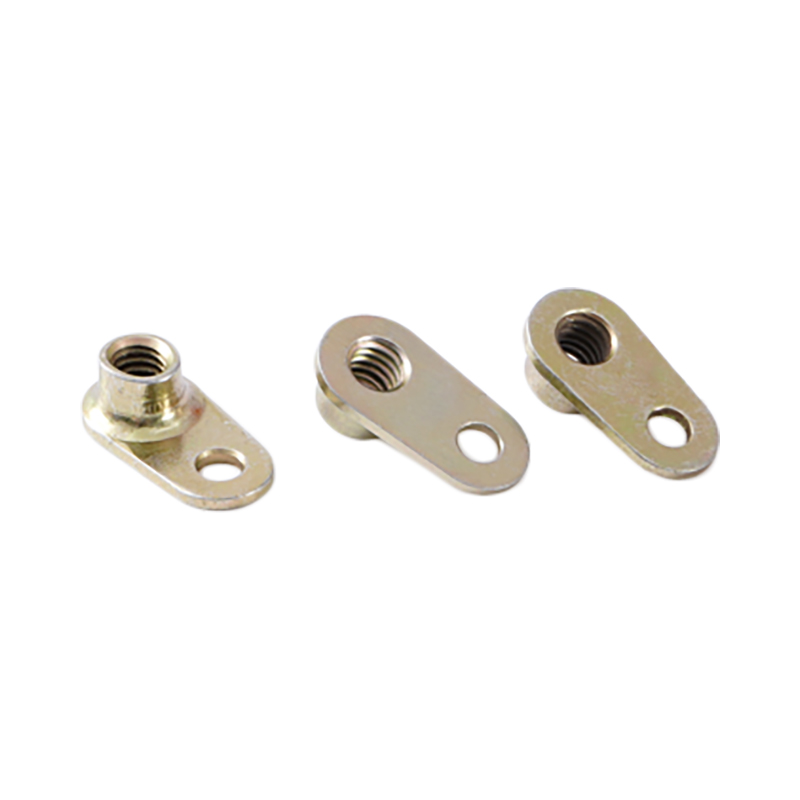
Single-lumen plate self-locking nuts are specialized fasteners designed to maintain secure connections under extreme conditions. Commonly used in aerospace and automotive industries, these nuts offer exceptional vibration resistance, high fatigue strength, and reliable locking performance. Their structural design allows them to resist loosening without the need for additional locking components.
The adoption of single-lumen plate self-locking nuts in critical engineering applications is driven by the need for safety, durability, and minimal maintenance. These nuts meet stringent aerospace and automotive standards, ensuring long-term operational reliability.
Structural Features and Material Composition
Single-Lumen Design
The single-lumen plate design incorporates a narrow thread area that provides frictional resistance during tightening. This structural lumen ensures that the nut grips the bolt securely, maintaining tension even under dynamic loads. The design is especially effective in high-vibration environments where conventional nuts may loosen.
Material Characteristics
Typically manufactured from high-strength steel, titanium, or aluminum alloys, single-lumen nuts balance lightweight properties with exceptional mechanical strength. The chosen materials provide corrosion resistance, high temperature tolerance, and compatibility with aerospace and automotive alloys.
Surface Treatments
Surface coatings, such as cadmium plating, anodizing, or zinc-nickel coatings, enhance durability and prevent corrosion. These treatments also reduce friction during installation while maintaining the locking capability of the lumen.
Functional Advantages in Aerospace Applications
Vibration Resistance
Aircraft components experience constant vibration during flight. Single-lumen self-locking nuts resist loosening under these oscillatory forces, preventing structural failures. The internal friction of the lumen secures the nut without additional adhesives or lock washers.
Lightweight and High Strength
Using titanium or aluminum alloys, these nuts reduce overall aircraft weight without compromising strength. This contributes to fuel efficiency and payload optimization while maintaining critical structural integrity.
Thermal and Corrosion Resistance
Aerospace environments involve fluctuating temperatures and exposure to corrosive elements. The materials and coatings of single-lumen nuts provide excellent thermal stability and corrosion protection, ensuring long service life in harsh conditions.
Applications in Automotive Structures
Engine and Transmission Components
Automotive engines and transmissions are subject to vibration, torque fluctuations, and high temperatures. Single-lumen self-locking nuts maintain bolt tension, preventing loosening and enhancing the reliability of critical components.
Suspension and Chassis Connections
The nuts are used in suspension assemblies and chassis joints, where consistent tightness is essential for safety and performance. Their self-locking feature reduces the risk of nut loosening due to road vibrations and dynamic loads.
Lightweight Design for Performance Vehicles
High-performance vehicles benefit from single-lumen nuts due to their reduced mass. Lightweight fasteners in critical locations contribute to overall vehicle weight reduction, improving acceleration, handling, and fuel efficiency.
Comparison with Conventional Nuts
| Feature | Standard Hex Nut | Single-Lumen Plate Self-Locking Nut |
| Vibration Resistance | Moderate | High |
| Weight | Higher | Lower (depending on alloy) |
| Temperature Tolerance | Moderate | High |
| Corrosion Resistance | Low | High |
Installation and Operational Considerations
Torque Specifications
Correct installation torque is critical to achieve the self-locking effect. Over-tightening can damage the lumen and reduce locking performance, while under-tightening may compromise vibration resistance.
Maintenance and Inspection
Regular inspection ensures the nuts retain their locking performance and are free from corrosion or thread damage. Reuse should be limited according to manufacturer guidelines to maintain safety standards.
Conclusion
Single-lumen plate self-locking nuts are essential components in aerospace and automotive applications due to their vibration resistance, lightweight strength, corrosion resistance, and thermal stability. Their unique design ensures secure connections in dynamic environments, enhancing safety and operational reliability.
By understanding their structural features, material properties, and proper installation practices, engineers can leverage these fasteners to improve performance and durability in critical mechanical systems.
Our Products //
Hot Products

If you are interested in our products, please consult us
Kunshan Hong Yong Sheng Precision Hardware Products Co.,Ltd. All Rights Reserved. Customised Fastener Manufacturer in China
