

 русский
 Español
 中文简体
中文简体

What Are Automotive Embedded Bushings and Why Do Suspension Systems Need Them?
Industry News-Content
- 1 What Automotive Embedded Bushings Do Inside a Vehicle
- 2 Core Functions in Suspension and Chassis Systems
- 3 Common Materials Used in Embedded Bushing Construction
- 4 Where Embedded Bushings Are Found Beyond Suspension
- 5 Design and Manufacturing Considerations
- 6 Signs of Bushing Wear and When Replacement Is Needed
- 7 Selecting the Right Embedded Bushing Supplier
What Automotive Embedded Bushings Do Inside a Vehicle
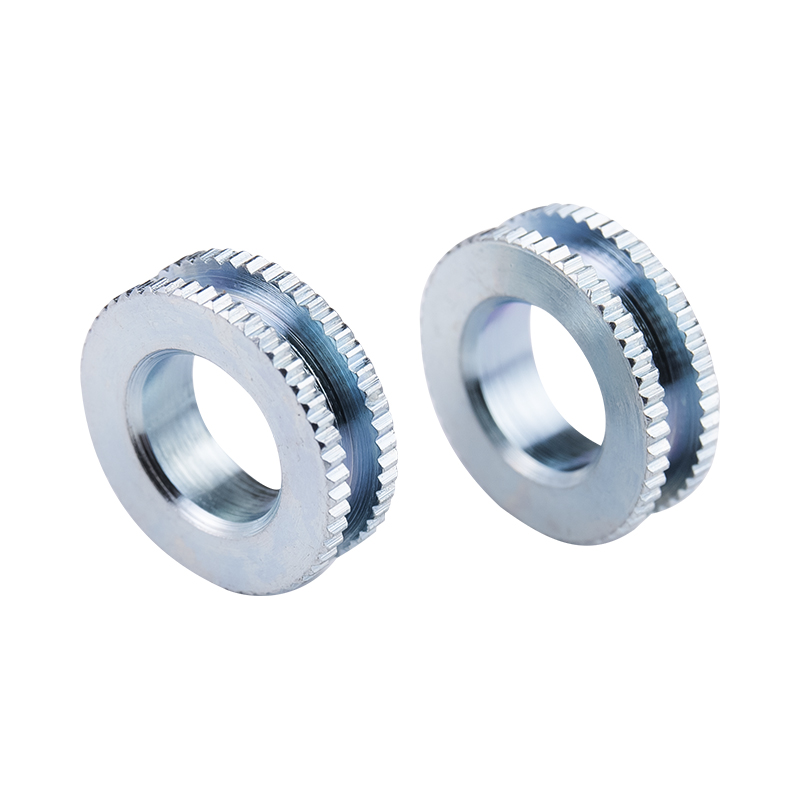
Automotive embedded bushings are components permanently molded or pressed into plastic, rubber, or metal housings to create a fixed bearing surface at points where two parts need to move relative to each other without direct metal-to-metal contact. Rather than being a standalone fastener, the bushing becomes part of the host component itself, embedded during the molding or assembly process so it cannot shift, rotate independently, or work loose over the life of the part. This embedded construction is what distinguishes them from bolt-on or press-fit bushings that sit as separate replaceable parts.
In practical terms, an embedded bushing gives a moving joint a durable, low-friction surface while the surrounding plastic or composite housing handles the structural load. This combination allows engineers to use lightweight plastic components in locations that would otherwise wear out quickly if the plastic itself had to bear against a moving metal shaft or pin.
Core Functions in Suspension and Chassis Systems
Suspension systems are one of the most demanding environments for embedded bushings because they combine constant motion, road shock, and exposure to moisture, salt, and temperature swings. Control arms, sway bar end links, and strut mounts all rely on embedded bushings to keep the suspension geometry stable while still allowing the controlled movement the suspension design requires.
Friction Reduction and Wear Protection
The bushing surface is engineered to reduce the coefficient of friction between the pivot pin and the housing bore, which slows wear and prevents the elongation of mounting holes that would otherwise lead to loose, noisy joints. Many embedded bushings use self-lubricating polymer compounds such as PTFE-lined fabric or oil-impregnated sintered bronze so the joint performs consistently without requiring grease fittings or scheduled lubrication.
Vibration and Impact Absorption
Beyond simply allowing rotation, many bushing designs incorporate a degree of elastomeric compliance that absorbs road shock before it reaches the chassis. This damping function reduces harshness transmitted into the cabin and protects nearby components, such as bolts and brackets, from fatigue cracking caused by repeated high-frequency vibration.
Alignment and Geometry Retention
Because the bushing is fixed in place within its housing, it maintains a consistent pivot point for the suspension arm or link over the vehicle's service life. This consistency is what keeps camber, caster, and toe settings stable between alignment services, since a worn or loose bushing is one of the most common causes of alignment drift and uneven tire wear.
Common Materials Used in Embedded Bushing Construction
Material selection depends on the load the bushing carries, the temperature range it will face, and whether it needs to flex or remain rigid. The table below summarizes the material families most commonly specified for automotive embedded bushings and where each is typically applied.
| Material | Typical Application |
| Sintered Bronze | Oil-impregnated bushings for pedal assemblies and low-speed pivot points |
| PTFE-Lined Composite | Control arm and steering linkage bushings requiring low friction without grease |
| Natural or Synthetic Rubber | Sway bar and subframe bushings needing vibration damping |
| Polyurethane | Performance suspension bushings needing firmer response than rubber |
| Engineering Plastics (POM, PA66) | Door hinges, seat mechanisms, and interior trim pivot points |
Where Embedded Bushings Are Found Beyond Suspension
While suspension components represent the highest-load application, embedded bushings appear throughout a vehicle wherever a moving joint needs a durable, low-maintenance interface.
- Steering column assemblies use small embedded bushings to reduce play and noise at pivot and telescoping points.
- HVAC damper doors rely on embedded bushings molded into the plastic housing to allow smooth actuator-driven rotation over thousands of open-close cycles.
- Seat recline and height-adjustment mechanisms use embedded bushings to reduce friction at load-bearing pivot points under repeated adjustment.
- Pedal assemblies for brake and accelerator pedals use embedded bushings to maintain a consistent pivot feel throughout the pedal's service life.
- Door hinges and hood or trunk latch mechanisms use embedded bushings to prevent metal-on-plastic wear during repeated opening and closing.
Design and Manufacturing Considerations
Embedding a bushing into a plastic or composite housing requires careful coordination between the bushing supplier and the molder, since the bushing must survive the injection molding process without shifting position or degrading from heat exposure. Two manufacturing approaches are most common: insert molding, where the bushing is placed into the mold cavity before the plastic is injected around it, and post-mold pressing, where the bushing is pressed into a pre-formed bore after the housing has cooled.
Insert molding creates a stronger mechanical bond and eliminates the risk of the bushing spinning within its bore, but it requires tighter process control over mold temperature and injection pressure to avoid warping the bushing or creating voids around it. Post-mold pressing is simpler and allows for a wider range of housing materials, but the bushing must include knurling, flanges, or other anti-rotation features to prevent it from loosening under torque over time.
Tolerance control is also critical. A bushing bore that is even a few hundredths of a millimeter oversized can allow enough play to generate audible clicking or rattling noises, which are among the most common warranty complaints related to interior and suspension components.
Signs of Bushing Wear and When Replacement Is Needed
Because embedded bushings are designed for long service life, most vehicles will not need bushing replacement under normal use, but certain symptoms indicate that a bushing has degraded and is affecting vehicle performance or safety.
- Clunking or knocking noises from the suspension over bumps, often indicating excessive play in a control arm or sway bar bushing.
- Uneven or accelerated tire wear caused by alignment drift from a worn control arm bushing.
- Visible cracking, splitting, or flattening of rubber or polyurethane bushing material during a visual inspection.
- A vague or wandering steering feel, which can result from worn bushings in the steering linkage rather than the steering rack itself.
Selecting the Right Embedded Bushing Supplier
For OEM and aftermarket manufacturers sourcing embedded bushings, the evaluation process should go beyond price comparison to include material certification, dimensional consistency across production batches, and validated load and fatigue test data specific to the application. A supplier who can demonstrate consistent bore tolerances across high-volume production runs, along with material compatibility testing against automotive fluids and temperature extremes, reduces the risk of field failures that are costly to trace back to a single component. Requesting sample parts for fit testing within the actual host housing, rather than relying on drawings alone, remains one of the most reliable ways to confirm that a bushing will perform as intended once embedded into the final assembly.
Our Products //
Hot Products

If you are interested in our products, please consult us
Kunshan Hong Yong Sheng Precision Hardware Products Co.,Ltd. All Rights Reserved. Customised Fastener Manufacturer in China
