

 русский
 Español
 中文简体
中文简体

What Should You Know Before Sourcing OEM/ODM Mechanical Lock Cylinders?
Industry News-Content
- 1 Understanding OEM/ODM Mechanical Lock Cylinders
- 2 Core Components of a Mechanical Lock Cylinder
- 3 Key Differences Between OEM and ODM Partnerships
- 4 Customization Options Available Through OEM/ODM Services
- 5 Material Selection and Manufacturing Quality
- 6 Security Standards and Testing Considerations
- 7 Selecting the Right OEM/ODM Manufacturing Partner
Understanding OEM/ODM Mechanical Lock Cylinders
OEM and ODM mechanical lock cylinders represent two distinct manufacturing arrangements that allow businesses to bring lock products to market without building their own production facilities. Original Equipment Manufacturing, or OEM, involves a manufacturer producing lock cylinders based entirely on a client's specifications, designs, and branding requirements. Original Design Manufacturing, or ODM, takes this a step further by allowing the manufacturer to contribute their own engineering expertise and existing designs, which the client can then customize and brand as their own. Both arrangements give businesses access to specialized manufacturing capabilities and mechanical expertise that would otherwise require significant capital investment to develop internally.
Mechanical lock cylinders themselves remain the core component inside most traditional locking systems, converting the physical action of key insertion and rotation into the mechanical movement that releases a locking bolt or latch. Despite the rise of electronic and smart locking technologies, mechanical cylinders continue to serve as essential components across residential, commercial, and industrial security applications, making OEM/ODM partnerships a practical route for companies looking to enter or expand within the lock manufacturing industry.
Core Components of a Mechanical Lock Cylinder
Before evaluating manufacturing partnerships, it helps to understand the fundamental components that make up a typical mechanical lock cylinder, since these elements directly influence both performance and customization possibilities.
| Component | Function |
| Outer Cylinder Housing | Protects internal components and mounts within the lock body |
| Plug | Rotates when the correct key is inserted and turned |
| Pins and Springs | Align at the shear line to allow plug rotation with the correct key |
| Cam or Tailpiece | Transfers rotational movement to the locking bolt mechanism |
Each of these components can be adjusted or customized during the OEM/ODM manufacturing process, allowing businesses to develop cylinders that meet specific security ratings, keying systems, or physical dimension requirements for their target market.
Key Differences Between OEM and ODM Partnerships
Choosing between OEM and ODM manufacturing arrangements depends largely on how much design control a business wants to retain versus how much they prefer to rely on the manufacturer's existing engineering expertise.
OEM Manufacturing Approach
Under an OEM arrangement, the client provides detailed specifications, drawings, and design requirements, and the manufacturer produces the lock cylinders exactly to those specifications. This approach suits businesses that already have engineering resources or specific design requirements they need followed precisely, often because the cylinder must integrate with an existing proprietary lock system.
ODM Manufacturing Approach
In an ODM arrangement, the manufacturer offers existing cylinder designs or engineering platforms that clients can modify, rebrand, and bring to market more quickly. This approach benefits businesses without extensive in-house engineering capabilities, since they can leverage the manufacturer's proven designs while still achieving a degree of product differentiation through customization options.
Customization Options Available Through OEM/ODM Services
One of the primary advantages of working with OEM/ODM lock cylinder manufacturers is the extensive range of customization options available, allowing businesses to differentiate their products within competitive markets.
- Keyway profiles customized to prevent unauthorized key duplication
- Pin configurations adjusted for varying security levels and pick resistance
- Cylinder length and diameter tailored to fit specific door or lock body designs
- Finish options including brass, nickel, chrome, and powder-coated variations
- Master keying systems designed for multi-tenant or commercial property applications
- Branding elements such as embossed logos or custom keyhead designs
These customization capabilities allow businesses to create lock cylinders that align precisely with their brand identity while meeting the functional security requirements of their target customer base.
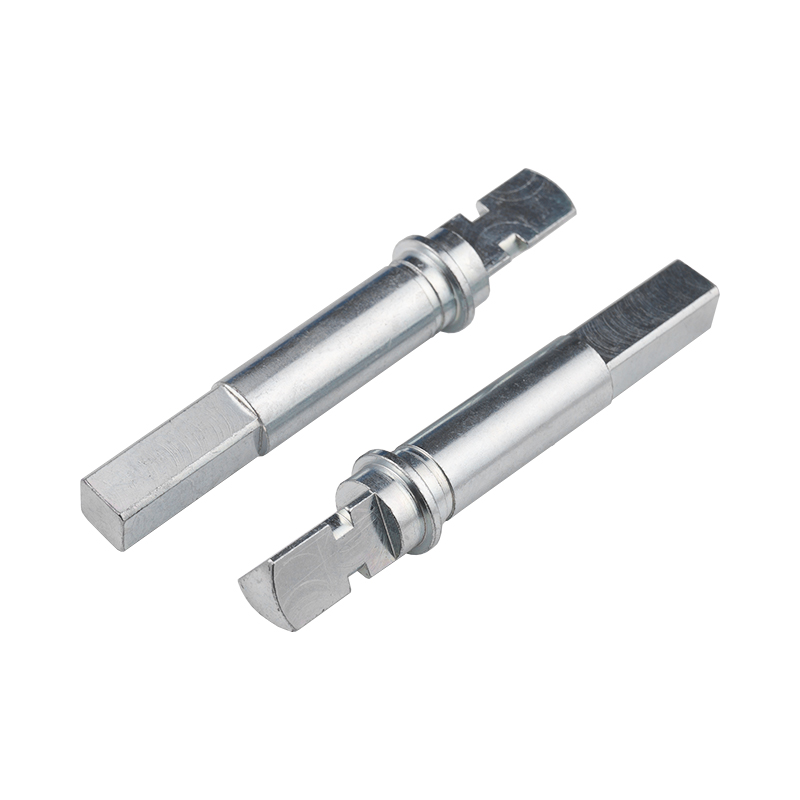
Material Selection and Manufacturing Quality
The durability and security performance of mechanical lock cylinders depend heavily on the materials selected and the precision of the manufacturing process. Reputable OEM/ODM manufacturers typically offer several material options, each suited to different application environments and budget considerations.
Brass remains a popular choice due to its natural corrosion resistance and workability, making it suitable for both indoor and moderate outdoor applications. Stainless steel components offer enhanced durability for high-traffic commercial applications or environments with greater exposure to moisture. Zinc alloy options provide a more budget-conscious alternative for lower-security applications where cost efficiency takes priority over maximum durability. Manufacturing precision, including tight tolerances on pin chambers and plug rotation, directly affects how smoothly the cylinder operates and how resistant it becomes to picking or manipulation attempts.
Security Standards and Testing Considerations
Businesses sourcing OEM/ODM mechanical lock cylinders should pay close attention to the security certifications and testing protocols their chosen manufacturer follows, since these standards directly impact product credibility and market acceptance in different regions.
- Pick resistance testing to evaluate vulnerability to lock manipulation techniques
- Drill resistance testing for cylinders intended for higher-security applications
- Key duplication resistance to protect against unauthorized copying
- Corrosion and weather resistance testing for outdoor or marine applications
- Cycle testing to confirm consistent performance across thousands of key insertions
Working with manufacturers who can provide documentation of these testing procedures helps businesses confidently market their products with accurate security claims backed by verifiable performance data.
Selecting the Right OEM/ODM Manufacturing Partner
Choosing an appropriate manufacturing partner requires evaluating several factors beyond simple pricing comparisons, since the long-term success of a lock cylinder product line depends heavily on consistent quality and reliable production capacity. Businesses should assess a manufacturer's production capacity to ensure they can scale alongside growing order volumes, along with their track record of meeting delivery timelines consistently.
Quality control processes deserve particular attention, since even minor manufacturing inconsistencies in pin tolerances or plug fitting can lead to functional problems in the field. Requesting sample units for independent testing before committing to large production runs allows businesses to verify quality firsthand. Additionally, manufacturers offering strong engineering support throughout the design and prototyping phases can help identify potential issues early, ultimately leading to a more reliable final product and a smoother path to market for OEM/ODM mechanical lock cylinder ventures.
Our Products //
Hot Products

If you are interested in our products, please consult us
Kunshan Hong Yong Sheng Precision Hardware Products Co.,Ltd. All Rights Reserved. Customised Fastener Manufacturer in China
