

 русский
 Español
 中文简体
中文简体

What Types of Mechanical Lock Cylinders Exist and How Are They Made?
Industry News-Mechanical lock cylinders form the core security mechanism inside most locks used on doors, padlocks, and cabinets. While they may look similar from the outside, cylinders vary significantly in internal design, the materials used to build them, and the manufacturing processes that determine their durability and resistance to picking or drilling. Understanding these differences helps locksmiths, facility managers, and buyers select the right cylinder for a given security requirement.
Content
Common Types of Mechanical Lock Cylinders
Mechanical lock cylinders are generally categorized by their internal locking mechanism. Each type offers a different balance of cost, security, and ease of key duplication, making certain types better suited to specific applications than others.
Pin Tumbler Cylinders
Pin tumbler cylinders are the most widely used type, found in residential deadbolts, doorknobs, and many commercial applications. They use a series of spring-loaded pin stacks that align at the shear line when the correct key is inserted, allowing the plug to rotate. Their widespread use makes them relatively affordable and easy to service, though basic versions offer only moderate resistance to picking.
Wafer Tumbler Cylinders
Wafer tumbler cylinders use flat wafers instead of round pins and are commonly found in automotive locks, cabinets, and lower-security applications. Their compact design makes them suitable for smaller lock bodies, but the simpler mechanism generally provides less pick resistance compared to pin tumbler designs.
Disc Detainer Cylinders
Disc detainer cylinders use rotating discs rather than pins or wafers, offering significantly higher resistance to picking and manipulation. This type is often chosen for high-security padlocks and applications where resistance to forced entry techniques is a priority.
Lever Tumbler Cylinders
Lever tumbler cylinders rely on a set of levers that must be lifted to precise heights before the bolt can move. Common in older mortise locks and some safes, this mechanism is known for its durability, though it is less common in modern residential hardware.
Comparing Cylinder Types by Security Level
| Cylinder Type | Typical Security Level | Common Application |
| Pin tumbler | Moderate to high | Residential and commercial doors |
| Wafer tumbler | Low to moderate | Automotive, cabinets |
| Disc detainer | High | High-security padlocks |
| Lever tumbler | Moderate to high | Mortise locks, safes |
Materials Used in Lock Cylinder Construction
The material chosen for a lock cylinder affects its resistance to drilling, corrosion, and general wear over years of use. Manufacturers typically select materials based on the intended security level and environmental exposure of the finished lock.
Brass
Brass is one of the most common materials for cylinder bodies and pins due to its corrosion resistance, ease of machining, and reasonable cost. It performs well in most indoor and moderate outdoor environments, though it offers less resistance to drilling compared to hardened steel components.
Nickel Silver
Nickel silver, despite its name, is a copper alloy containing nickel and zinc rather than actual silver. It is often used for pins and springs because of its strength and resistance to wear from repeated key insertion, making it a durable choice for high-traffic locks.
Hardened Steel
Hardened steel inserts or full steel construction are used in high-security cylinders to resist drilling attacks, one of the most common methods used to defeat a lock without a key. Steel anti-drill pins are frequently added at the shear line specifically to deflect or shatter drill bits attempting to bypass the pin stack.
Zinc Alloy
Zinc alloy is commonly used in lower-cost cylinder housings due to its low production cost and ease of die-casting into complex shapes. While suitable for lower-security applications, it generally offers less durability and drill resistance than brass or steel components.
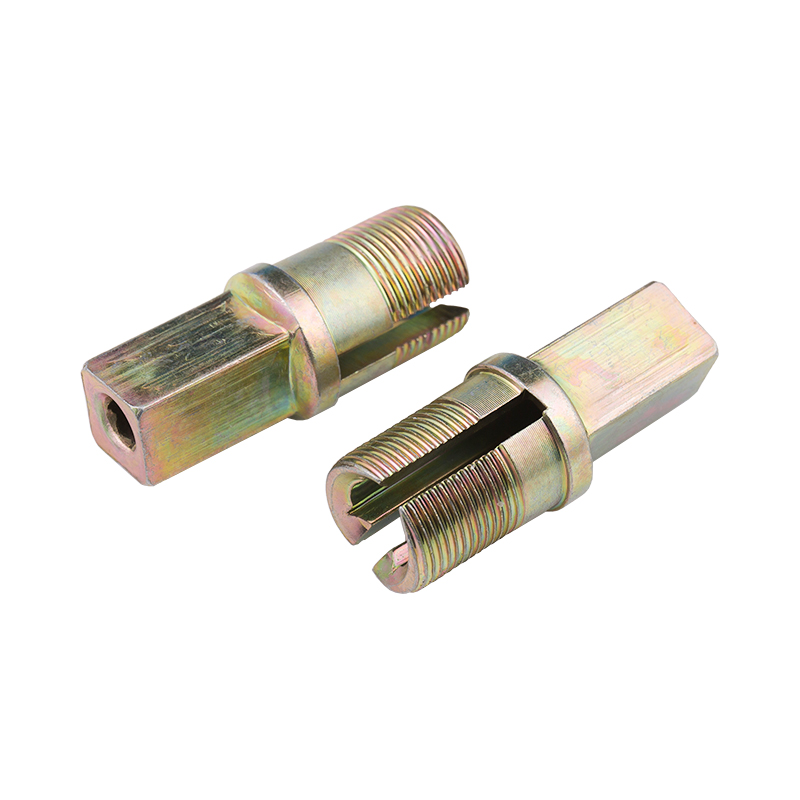
Manufacturing Processes Behind Lock Cylinders
The way a cylinder is manufactured has a direct impact on its precision, consistency, and ultimately its security performance. Several key processes are involved in producing a functional, reliable cylinder.
CNC Machining
Precision CNC machining is used to create the cylinder body and plug with tight tolerances, since even small dimensional inconsistencies can affect how smoothly the mechanism operates or how resistant it is to manipulation. High-security cylinders typically require tighter tolerances than standard consumer-grade locks.
Die Casting
Die casting is commonly used for producing cylinder housings from zinc or brass alloys at scale, allowing manufacturers to create consistent shapes efficiently. While cost-effective for mass production, die-cast components generally require secondary machining to achieve the precision needed for the internal pin chambers.
Heat Treatment
Heat treatment processes harden steel components, particularly anti-drill pins and security inserts, increasing their resistance to physical attack. Proper heat treatment must balance hardness with enough toughness to prevent the material from becoming brittle and cracking under impact.
Quality Control and Testing
Reputable manufacturers subject finished cylinders to testing that includes pick resistance evaluation, key cycling to simulate years of use, and drill resistance testing for high-security models. Cylinders intended for certification under standards such as ANSI or UL undergo formal testing protocols before being rated for a specific security grade.
Choosing the Right Cylinder for the Application
Selecting a mechanical lock cylinder should start with an honest assessment of the security risk at the installation site. A low-traffic interior door may perform adequately with a standard pin tumbler cylinder in brass, while an exterior entry door in a commercial building may warrant a high-security cylinder with anti-drill steel inserts and tighter manufacturing tolerances. Budget, key control needs, and the frequency of use should also factor into the decision, since higher-security cylinders often come with restricted keyways that limit unauthorized key duplication.
Understanding the relationship between cylinder type, material choice, and manufacturing quality allows buyers to make a more informed decision rather than relying solely on price or appearance. A well-matched mechanical lock cylinder provides reliable, long-term security appropriate to its intended use, whether that is a residential front door, a commercial facility, or a high-security padlock.
Our Products //
Hot Products

If you are interested in our products, please consult us
Kunshan Hong Yong Sheng Precision Hardware Products Co.,Ltd. All Rights Reserved. Customised Fastener Manufacturer in China
