

 русский
 Español
 中文简体
中文简体

What Are Round Head Cross Bolts and How to Use Them
Industry News-Content
Introduction to Round Head Cross Bolts
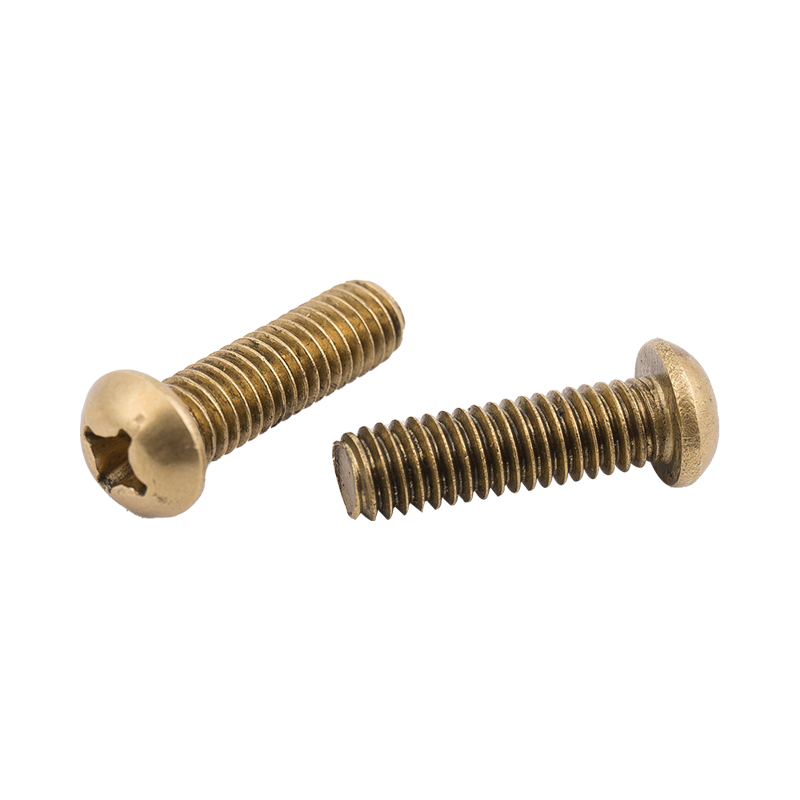
Round head cross bolts are a type of fastener widely used in construction, machinery, and industrial applications. They feature a rounded head with a cross slot or cross recess, allowing easy tightening or loosening using a screwdriver or compatible tool. These bolts provide secure fastening while reducing the risk of stripping compared to flat-head screws, making them suitable for both light and heavy-duty applications. Understanding their design, material options, and proper usage is essential for ensuring structural stability and operational safety.
Design and Structure of Round Head Cross Bolts
The defining characteristic of round head cross bolts is their domed or rounded head, which allows the bolt to sit above the surface of the material. The cross-shaped recess in the head provides a positive engagement point for screwdrivers or powered tools, enhancing torque transfer and reducing slippage. These bolts are typically threaded along the shank, allowing them to be used with nuts, threaded inserts, or tapped holes. Variations in head diameter, thread pitch, and length make it possible to select bolts suitable for diverse applications.
Materials and Coatings
Round head cross bolts are manufactured from a range of materials depending on the application requirements. Common options include:
- Carbon Steel: Offers high strength and is cost-effective; usually coated with zinc or black oxide for corrosion resistance.
- Stainless Steel: Provides excellent corrosion resistance and is ideal for outdoor, marine, or chemical applications.
- Brass or Copper: Used where electrical conductivity or aesthetic appearance is important.
- Alloy Steel: High-strength option for heavy-duty mechanical and industrial applications.
Common Applications
Round head cross bolts are versatile fasteners used across many industries. Key applications include:
- Machinery assembly, where secure fastening and easy maintenance are required
- Construction and structural projects, including metal frameworks and wooden structures
- Automotive components, particularly interior fittings and panels
- Electronics and electrical enclosures requiring precise torque and reliable engagement
- Furniture assembly and decorative hardware applications
Advantages of Round Head Cross Bolts
These bolts offer several advantages that make them a preferred choice for many projects:
- Easy installation with standard cross-head screwdrivers or powered tools
- Reduced risk of slippage or stripping compared to flat-head bolts
- High tensile strength suitable for both light and heavy-duty fastening
- Rounded head provides a clean, finished appearance above the material surface
- Compatibility with a wide range of materials, including metal, wood, and plastic
Proper Installation Techniques
To maximize the performance and longevity of round head cross bolts, proper installation is essential. Consider the following steps:
- Select the correct bolt length, thread size, and material based on the application
- Use an appropriate screwdriver or powered tool that matches the cross recess
- Apply consistent torque to avoid over-tightening or damaging the threads
- For critical applications, use washers or locking nuts to prevent loosening under vibration
- Ensure surfaces are clean and free from debris to maintain secure fastening
Comparison with Other Fasteners
| Feature | Round Head Cross Bolt | Flat Head Screw | Hex Bolt |
|---|---|---|---|
| Ease of Installation | High, standard cross-head tool | Moderate, flat-head requires precision | High, requires wrench or socket |
| Appearance | Rounded, visible above surface | Flush with surface | Hex head protrudes, industrial look |
| Torque Control | Good, less slippage | Moderate, prone to cam-out | High, suitable for heavy load |
Conclusion
Round head cross bolts are versatile and reliable fasteners suitable for a wide range of applications. Their rounded head design, cross recess, and availability in multiple materials make them ideal for both industrial and decorative purposes. Correct selection, proper installation, and regular inspection ensure maximum performance and safety, making these bolts a key component in construction, machinery, and manufacturing projects.
Our Products //
Hot Products

If you are interested in our products, please consult us
Kunshan Hong Yong Sheng Precision Hardware Products Co.,Ltd. All Rights Reserved. Customised Fastener Manufacturer in China
