

 русский
 Español
 中文简体
中文简体

Differences Between Copper Nuts and Steel or Brass Nuts
Industry News-Content
Introduction to Copper, Steel, and Brass Nuts
Nuts are essential fasteners used in various mechanical, electrical, and construction applications. Among the most commonly used materials are copper, steel, and brass. Each material exhibits distinct mechanical properties, corrosion resistance, electrical conductivity, and suitability for specific environments. Understanding these differences is crucial for selecting the right nut for your application.
This article compares copper nuts with steel and brass nuts, highlighting their properties, advantages, limitations, and typical use cases.
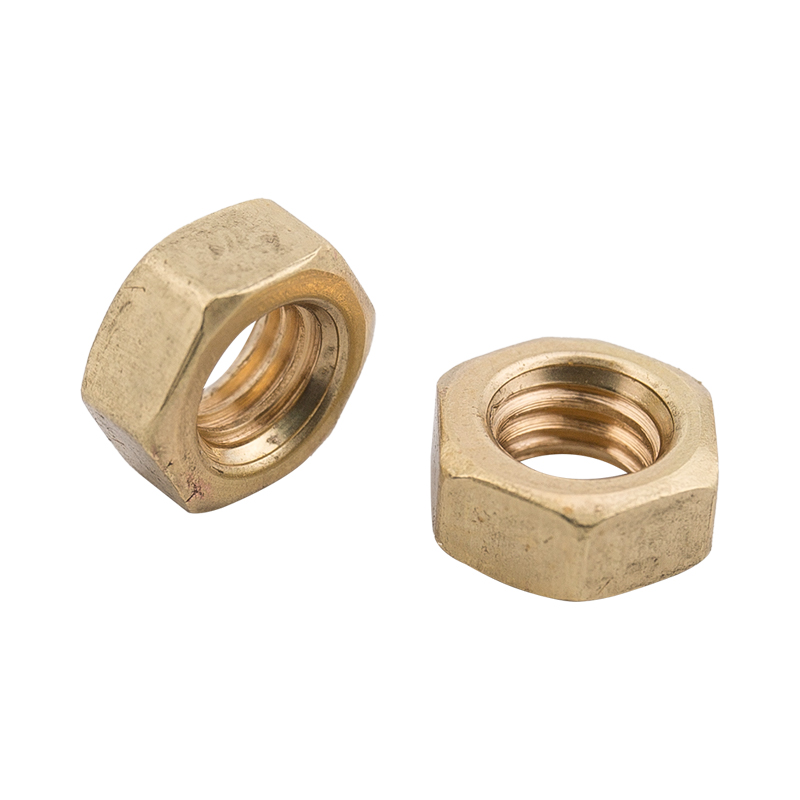
Material Properties and Mechanical Strength
Copper nuts are made from pure copper or copper alloys. They offer moderate strength and excellent ductility, allowing them to deform slightly under load without cracking. This makes them suitable for applications where vibration or thermal expansion occurs. Steel nuts, including carbon and stainless steel, provide high tensile strength and rigidity, making them ideal for heavy-duty mechanical applications. Brass nuts, an alloy of copper and zinc, fall between copper and steel in terms of strength and hardness.
Key Differences in Strength and Ductility
- Copper nuts: Moderate strength, high ductility, resist cracking under stress.
- Steel nuts: High tensile strength, lower ductility, ideal for structural or heavy-load applications.
- Brass nuts: Moderate strength, good corrosion resistance, lower ductility than copper.
Corrosion Resistance and Environmental Performance
Copper nuts are highly resistant to corrosion, particularly in moist, saline, or chemically active environments. This makes them suitable for marine, electrical, and outdoor applications. Steel nuts, unless coated or made from stainless steel, are prone to rust and corrosion. Brass nuts provide moderate corrosion resistance and are especially effective in water-based environments due to their inherent resistance to oxidation.
Environmental Suitability Comparison
- Copper nuts: Excellent for marine, chemical, and high-moisture applications.
- Steel nuts: Suitable for dry, structural applications; stainless steel options required for corrosion-prone environments.
- Brass nuts: Good for water exposure and moderate chemical resistance; less suitable for heavy mechanical loads.
Electrical Conductivity
Copper nuts are excellent conductors of electricity, making them ideal for electrical and grounding applications. Steel nuts have very low electrical conductivity and are generally not used where current flow is required. Brass nuts, with moderate conductivity, can be used for certain electrical applications but are less efficient than copper.
Thermal Conductivity and Heat Resistance
Copper nuts provide high thermal conductivity, allowing them to dissipate heat effectively, which is beneficial in electrical and high-temperature environments. Steel nuts have lower thermal conductivity but higher melting points, making them suitable for high-load and high-temperature mechanical uses. Brass nuts offer moderate thermal conductivity, balancing heat transfer and corrosion resistance.
Applications Comparison Table
| Property / Feature | Copper Nuts | Steel Nuts | Brass Nuts |
| Tensile Strength | Moderate | High | Moderate |
| Ductility | High | Low | Medium |
| Corrosion Resistance | Excellent | Moderate / Requires coating | Good |
| Electrical Conductivity | High | Low | Medium |
| Typical Applications | Electrical connections, marine, plumbing | Structural, automotive, machinery | Plumbing, decorative, moderate mechanical load |
Conclusion
Copper, steel, and brass nuts each provide distinct advantages depending on application requirements. Copper nuts excel in electrical conductivity, corrosion resistance, and ductility, while steel nuts are preferred for high-strength and heavy-load applications. Brass nuts offer a balanced option, combining moderate strength with good corrosion resistance and aesthetic appeal. Choosing the right nut material ensures reliable performance, durability, and suitability for specific industrial, electrical, or mechanical environments.
Our Products //
Hot Products

If you are interested in our products, please consult us
Kunshan Hong Yong Sheng Precision Hardware Products Co.,Ltd. All Rights Reserved. Customised Fastener Manufacturer in China
