

 русский
 Español
 中文简体
中文简体

Screw Hardware Buying Guide: Selecting the Best Screws for Your Needs
Industry News-Content
Introduction to Screw Hardware
Screw hardware is a fundamental component in construction, manufacturing, and DIY projects. It plays a critical role in joining materials securely, providing structural stability, and ensuring the longevity of assemblies. With a wide variety of screws available, selecting the right type for your application is essential to achieve strong, reliable connections and prevent damage to materials or equipment.
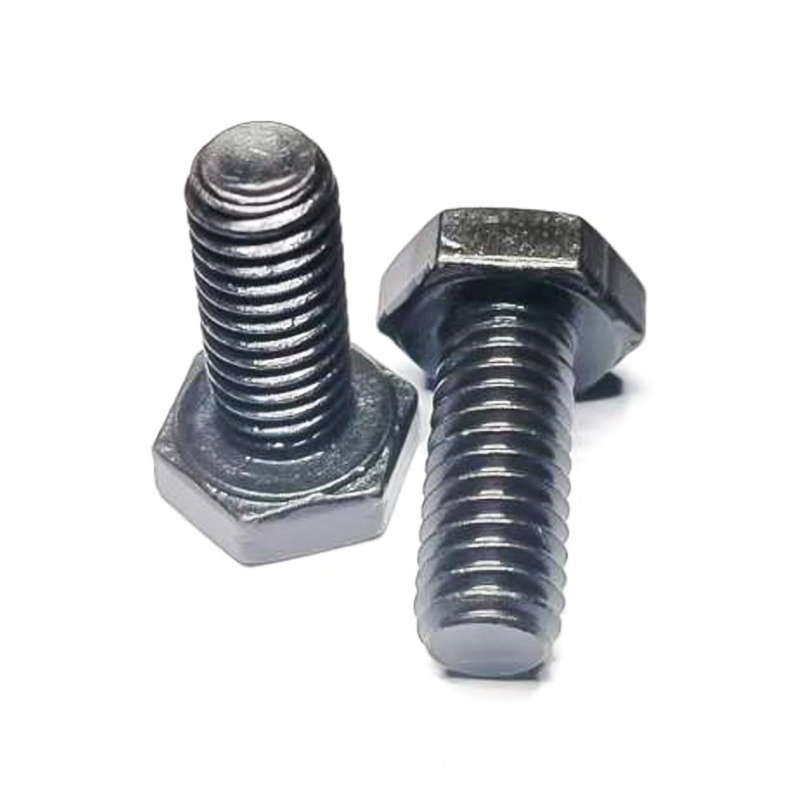
Types of Screws and Their Applications
Screws are available in multiple designs, each optimized for specific materials and uses. Understanding the characteristics of each type helps you choose the most suitable option for your project.
Wood Screws
Wood screws are designed with coarse threads to grip wooden surfaces securely. They are commonly used in furniture assembly, cabinetry, and general woodworking. Choosing the correct length and diameter ensures strong connections without splitting the wood.
Machine Screws
Machine screws are typically used with nuts or pre-threaded holes in metal or plastic components. They provide precise and durable fastening in machinery, electronics, and metal fabrication projects. Selecting the correct thread pitch and length is crucial for compatibility with mating parts.
Self-Tapping Screws
Self-tapping screws are capable of creating their own threads in metal, plastic, or composite materials, eliminating the need for pre-drilled holes. They are ideal for sheet metal work, electrical enclosures, and lightweight construction, offering both speed and convenience in assembly.
Material and Coating Considerations
The material and coating of screws impact durability, corrosion resistance, and suitability for specific environments. Common materials include stainless steel, carbon steel, brass, and aluminum. Coatings such as zinc, nickel, or black oxide improve corrosion resistance and aesthetic appearance, making them suitable for outdoor, marine, or high-moisture applications.
Head Types and Drive Styles
Screw heads and drive styles determine how the screw interacts with tools and materials. The choice affects ease of installation, torque application, and the ability to achieve a flush finish.
- Flat Head: Sinks flush with the surface, ideal for wood and cabinetry.
- Pan Head: Rounded top, provides a decorative appearance and surface support.
- Round Head: Used for machine screws and applications where protrusion is acceptable.
- Phillips Drive: Cross-shaped recess, reduces cam-out and allows faster installation.
- Slotted Drive: Simple single-slot design, common in traditional applications.
- Torx Drive: Star-shaped recess, increases torque transfer and reduces wear.
Screw Size and Thread Considerations
Correct screw size and thread selection is critical for secure fastening. Length, diameter, and thread pitch must match the material thickness and type. For example, coarse threads are better for softwoods, while fine threads are suitable for metal or hard materials. Using the wrong size can lead to stripping, weak joints, or material damage.
Specialized Screws for Specific Applications
Certain applications require specialized screws designed for unique performance needs. These include drywall screws for plasterboard, deck screws for outdoor wooden structures, and security screws for tamper-resistant installations. Choosing the correct specialized screw ensures compliance with project requirements and long-term reliability.
Comparison of Common Screw Features
| Feature | Consideration |
| Material | Stainless steel, carbon steel, brass, or aluminum depending on strength and corrosion resistance |
| Head Type | Flat, pan, round, or specialized depending on application and finish |
| Drive Style | Phillips, slotted, Torx, or hex for installation efficiency |
| Thread Type | Coarse for wood, fine for metal, self-tapping for pre-drilled applications |
| Length & Diameter | Match material thickness to ensure secure fastening without damage |
| Coating | Zinc, black oxide, or other coatings enhance corrosion resistance and aesthetics |
Conclusion
Selecting the right screw hardware involves evaluating the type, material, head design, drive style, thread, and size. By considering these factors, you can ensure a secure, durable, and efficient fastening solution suitable for your project. Proper screw selection improves structural integrity, prevents material damage, and enhances overall project quality for both DIY enthusiasts and industrial applications.
Our Products //
Hot Products

If you are interested in our products, please consult us
Kunshan Hong Yong Sheng Precision Hardware Products Co.,Ltd. All Rights Reserved. Customised Fastener Manufacturer in China
