

 русский
 Español
 中文简体
中文简体

Selecting Sealing Hexagon Nuts for Hydraulic and Pneumatic Connections
Industry News-Content
- 1 Understanding Sealing Requirements in Hydraulic and Pneumatic Systems
- 2 Pressure Levels and Their Impact on Nut Selection
- 3 Compatibility with Working Media
- 4 Thread Type and Connection Geometry
- 5 Material Selection for Body and Seal
- 6 Resistance to Vibration and Mechanical Movement
- 7 Installation Torque and Assembly Control
- 8 Maintenance and Reusability Considerations
- 9 Application-Specific Selection Strategy
Understanding Sealing Requirements in Hydraulic and Pneumatic Systems
Hydraulic and pneumatic connections operate under internal pressure, media flow, and frequent pressure fluctuations. In these systems, threaded joints are not only mechanical fastening points but also sealing interfaces. Sealing hexagon nuts are selected to address leakage risks that standard hex nuts cannot manage, especially when oil, compressed air, or other working fluids are present. Proper selection begins with understanding how pressure, vibration, and media characteristics interact with the nut, bolt, and sealing element.
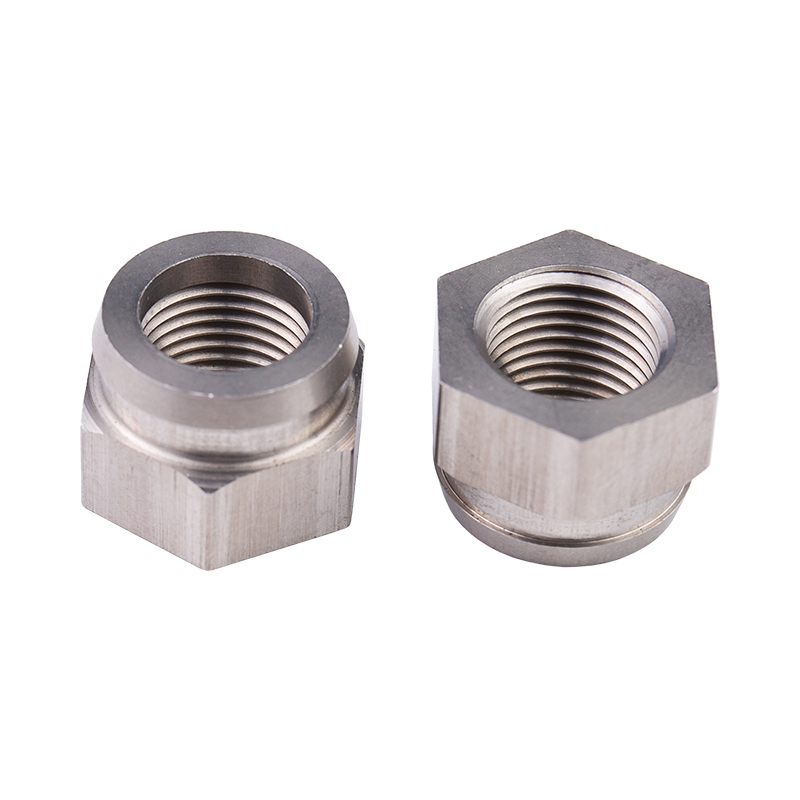
Pressure Levels and Their Impact on Nut Selection
Operating pressure is one of the most critical factors when choosing sealing hexagon nuts. Hydraulic systems often run at significantly higher pressures than pneumatic systems, which directly affects sealing material deformation and thread load. A sealing nut must maintain consistent compression on the sealing element without extrusion or relaxation under pressure.
Hydraulic Pressure Considerations
In hydraulic applications, sealing hexagon nuts must tolerate high static and dynamic pressures. The sealing element should resist oil absorption and maintain shape under load. Metal body strength and thread accuracy are also essential to prevent micro-movement that could compromise sealing performance.
Pneumatic Pressure Considerations
Pneumatic systems generally operate at lower pressures but experience frequent pressure cycling. Sealing hexagon nuts used here must handle repeated expansion and contraction without seal fatigue. Air leakage tolerance is lower in systems where pressure stability affects actuator performance.
Compatibility with Working Media
The type of fluid or gas passing through the connection directly influences sealing nut selection. Seal material compatibility prevents swelling, hardening, or chemical degradation over time.
- Mineral oils require seals that maintain elasticity without oil absorption
- Synthetic hydraulic fluids may demand higher chemical resistance
- Compressed air systems benefit from seals that resist drying and cracking
Thread Type and Connection Geometry
Thread form and mating surface geometry influence how sealing hexagon nuts perform in service. Straight threads rely heavily on the sealing element, while tapered threads may combine thread interference with sealing action. Selecting a sealing nut that matches the thread standard prevents uneven load distribution and localized leakage points.
Straight Thread Applications
In straight thread connections, sealing hexagon nuts often work with bonded seals or integrated elastomer rings. The nut must apply uniform axial compression to create a reliable seal against a flat mating surface.
Tapered Thread Applications
For tapered threads, sealing hexagon nuts may serve as secondary sealing elements or locking components. Proper fit reduces the need for additional sealants and improves repeatability during maintenance.
Material Selection for Body and Seal
The base material of the sealing hexagon nut determines its mechanical strength and corrosion resistance, while the seal material determines leak prevention capability. Both must be considered together rather than independently.
| Application Condition | Recommended Nut Material | Seal Material Focus |
| High-pressure hydraulics | Carbon steel or alloy steel | Oil-resistant elastomer |
| Outdoor pneumatic systems | Corrosion-resistant steel | Weather-resistant elastomer |
Resistance to Vibration and Mechanical Movement
Hydraulic pumps and pneumatic actuators generate vibration that can loosen threaded connections over time. Sealing hexagon nuts must maintain preload while preserving seal compression. Designs that integrate locking and sealing functions reduce the risk of gradual leakage caused by micro-rotation.
Installation Torque and Assembly Control
Correct installation torque is essential for sealing performance. Under-tightening may result in insufficient seal compression, while over-tightening can damage the sealing element or threads. Selecting sealing hexagon nuts that provide a predictable torque-to-seal relationship simplifies assembly control on production lines and during field maintenance.
Maintenance and Reusability Considerations
In systems requiring regular disassembly, sealing hexagon nuts should be evaluated for seal reusability. Some sealing elements maintain elasticity after multiple installations, while others are intended for single-use applications. Understanding this distinction supports maintenance planning and reduces unexpected leakage after reassembly.
Application-Specific Selection Strategy
Selecting sealing hexagon nuts for hydraulic and pneumatic connections is most effective when system conditions, media type, pressure range, and maintenance practices are evaluated together. A focused, application-driven approach reduces leakage risk, improves system stability, and supports long-term operational reliability.
Our Products //
Hot Products

If you are interested in our products, please consult us
Kunshan Hong Yong Sheng Precision Hardware Products Co.,Ltd. All Rights Reserved. Customised Fastener Manufacturer in China
