

 русский
 Español
 中文简体
中文简体

Top Benefits of Using Carbon Steel Screws in Construction and Machinery
Industry News-Content
Introduction to Carbon Steel Screws
Carbon steel screws are widely used in construction, industrial machinery, and heavy-duty assemblies due to their exceptional strength, versatility, and cost-effectiveness. They are manufactured from carbon steel, which provides superior hardness and load-bearing capacity compared to many other fastener materials. Choosing the right carbon steel screw can significantly impact the durability, safety, and performance of your project, whether it involves structural frameworks, automotive parts, or industrial equipment.
These screws are available in various shapes, sizes, and thread types, making them suitable for a wide range of applications. Understanding the characteristics and benefits of carbon steel screws is crucial for engineers, contractors, and DIY enthusiasts who aim to achieve long-lasting, secure assemblies.
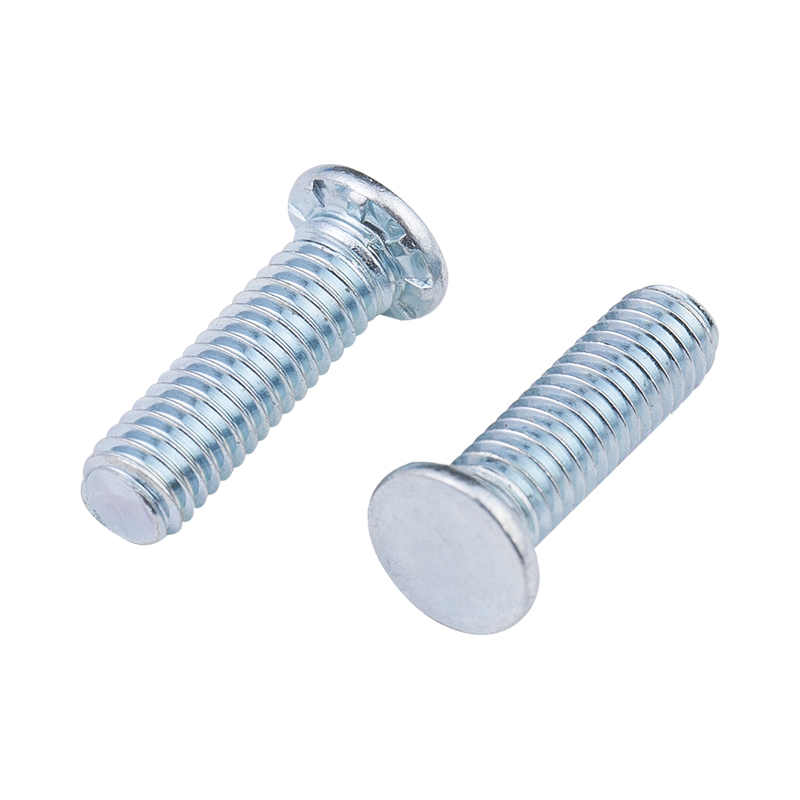
High Strength and Load-Bearing Capability
One of the most significant advantages of carbon steel screws is their remarkable strength. They can withstand high tensile and shear forces without deforming, which is essential for applications that involve heavy loads or dynamic stress. This feature makes them ideal for structural connections, machinery assembly, and load-bearing applications.
Carbon steel screws are particularly effective in projects where stability and rigidity are critical. Their high hardness ensures that they maintain their shape under pressure, which helps preserve the integrity of joints and reduces the risk of loosening over time.
Applications in Construction and Machinery
In construction, carbon steel screws are used in steel frames, heavy-duty doors, bridges, and industrial buildings. Their ability to handle substantial loads makes them suitable for assembling large structural components. In machinery, they are frequently applied to assemble engine components, gear systems, and industrial equipment, where reliability under vibration and mechanical stress is essential.
Their versatility in both stationary and dynamic applications means fewer replacements and maintenance requirements, which is particularly valuable in industrial environments where downtime can be costly.
Cost-Effectiveness and Availability
Carbon steel screws provide a cost-efficient fastening solution without compromising performance. Compared to stainless steel or high-alloy screws, they are more affordable while still offering adequate strength for most construction and machinery applications. This makes them suitable for large projects requiring hundreds or thousands of fasteners, helping to control project costs without sacrificing quality.
Additionally, carbon steel screws are widely available in standard sizes, coatings, and thread types, which simplifies sourcing and ensures compatibility with commonly used nuts, washers, and components.
Versatility in Types and Sizes
Carbon steel screws come in various forms, each suited for different materials and applications. Choosing the correct type is crucial for maximizing performance and minimizing damage to the materials being fastened.
Common Types of Carbon Steel Screws
- Wood screws: Coarse threads for strong grip in timber, ideal for furniture and structural wooden assemblies.
- Machine screws: Uniform threads for use with tapped holes or nuts in metal and machinery assemblies.
- Self-tapping screws: Create their own threads in thin metal sheets or plastic, reducing pre-drilling requirements.
- Sheet metal screws: Designed for fastening thin metal panels in industrial and construction applications.
Standard Sizes and Thread Types
Carbon steel screws are available in both metric and imperial sizing systems. Correct size selection ensures proper engagement with nuts or tapped holes, avoiding stripping or loosening. Thread types vary between coarse threads for soft materials and fine threads for high-tension applications.
| Type | Common Sizes | Applications |
|---|---|---|
| Wood Screw | #6, #8, #10, 3mm, 4mm | Furniture, Cabinets, Carpentry |
| Machine Screw | M3, M4, M5, 1/4"-20, 5/16"-18 | Machinery, Electronics, Automotive |
| Self-Tapping Screw | #6, #8, #10, M4, M5 | Metal Sheets, Plastics, Light Equipment |
Corrosion Resistance with Coatings
Although carbon steel is prone to corrosion if exposed to moisture, protective coatings greatly enhance its durability. Common coatings include zinc plating, black oxide, and galvanization, each providing different levels of corrosion resistance and aesthetic finishes.
Selecting the appropriate coating ensures that screws perform reliably in both indoor and outdoor environments, including industrial, marine, and high-humidity conditions.
| Coating Type | Features | Recommended Use |
|---|---|---|
| Zinc Plated | Economical, moderate corrosion resistance | Indoor and light outdoor projects |
| Black Oxide | Wear-resistant, minimal corrosion protection | Indoor machinery, automotive parts |
| Galvanized | High corrosion resistance, suitable for harsh environments | Outdoor construction, industrial equipment |
Ease of Installation and Maintenance
Carbon steel screws are compatible with standard hand tools and power tools, which simplifies installation. Their mechanical reliability reduces the need for frequent inspection and replacement. Proper torque application ensures long-lasting connections while minimizing the risk of thread stripping or fastener failure.
Maintenance is straightforward; coated carbon steel screws often require only occasional visual inspection to ensure corrosion protection remains intact. In high-vibration environments, using lock washers or lock nuts further enhances stability and prevents loosening over time.
Conclusion
Carbon steel screws combine strength, versatility, cost-effectiveness, and enhanced durability with protective coatings, making them ideal for construction, machinery assembly, and industrial applications. By selecting the correct type, size, thread, and coating, users can ensure reliable, long-lasting, and safe assemblies. Proper use of carbon steel screws reduces maintenance, enhances structural integrity, and provides a practical solution for projects requiring dependable fasteners.
Understanding these benefits allows engineers, contractors, and DIY enthusiasts to optimize project performance while controlling costs and ensuring durability in demanding environments.
Our Products //
Hot Products

If you are interested in our products, please consult us
Kunshan Hong Yong Sheng Precision Hardware Products Co.,Ltd. All Rights Reserved. Customised Fastener Manufacturer in China
