

 русский
 Español
 中文简体
中文简体

CNC Turning Center Basics: Components, Configurations, and Capabilities
Industry News-Content
- 1 Why CNC Turning Center Basics Matter for Precision Manufacturing
- 2 CNC Lathe vs. CNC Turning Center: Key Differences
- 3 Core Components That Define a Turning Center
- 4 Horizontal vs. Vertical Turning Centers: Which Configuration Works Best?
- 5 Turning Center Operations and What They Mean for Part Quality
- 6 From Machine Capability to Precision Hardware: What Manufacturers Need to Know
- 7 Avoiding Common Selection Mistakes
- 8 Conclusion: Use Turning Center Capabilities to Reduce Risk
Why CNC Turning Center Basics Matter for Precision Manufacturing
Does a CNC turning center need live tooling? Should you pick a horizontal or vertical configuration? These are common first questions, but they are not the most important ones. In our precision machining work, the first step is always understanding how a turning center differs from a standard lathe and what that difference means for your part volumes, tolerances, and secondary operations. The short answer is that a CNC turning center is a multi-axis machine capable of combining several operations—turning, drilling, milling, and threading—into a single clamped setup. That integration cuts handling time, reduces dimensional variation, and shortens lead time, which is why many industrial buyers now specify turning centers for high-quality shafts, bushings, and valve components.
CNC Lathe vs. CNC Turning Center: Key Differences
A traditional CNC lathe generally operates on two axes (X and Z) and performs straightforward turning operations. A CNC turning center, however, expands that capability with more axes, a multi-station turret, and often a powered spindle or subspindle. The most meaningful difference is the ability to machine features that are not purely rotational. With live tooling and a C-axis or Y-axis, a turning center can mill flats, drill cross-holes, and cut keyways without moving the workpiece to another machine.
This distinction matters because it changes the manufacturing workflow. If a part requires only simple diameter reductions, a lathe is sufficient. But if the print contains off-center holes, slots, or complex contours, a turning center eliminates the setup error and queue time associated with a second operation on a machining center. For production runs, even saving one setup per batch translates directly into cost savings.
| Feature | CNC Lathe | CNC Turning Center |
|---|---|---|
| Typical Axes | 2 (X, Z) | 3 to 5 (X, Z, C, Y, plus others) |
| Live Tooling | Usually not available | Standard or optional |
| Subspindle | Rare | Common on advanced models |
| Automatic Tool Changer | Manual or simple turret | Multi-station turret with automated switching |
| Secondary Operations | Return to separate milling machine | Performed in the same setup |
| Ideal Part Complexity | Simple rotational parts | Parts with milled features, cross holes, or back-facing work |
Core Components That Define a Turning Center
Headstock and Spindle
The headstock holds the main spindle and often includes a chuck. Spindle rigidity and speed range determine the material removal rate and the achievable surface finish. A turning center designed for heavy roughing will have a larger spindle bore and higher torque, while a high-speed model suits finishing and smaller diameters.
Bed and Guideways
The bed is the structural backbone. Do not judge a turning center only by its motor power; bed stiffness directly affects vibration damping, which shows up in part roundness and tool life. Slant-bed designs are common because they improve chip flow and maintain alignment under cutting forces.
Turret and Tooling System
The turret carries multiple tools and indexes them quickly. Tooling capacity matters more than most buyers expect. A 12-station turret with live tooling gives you room to keep redundant tools for extended runs and to automate complex sequences. A rigid turret also reduces deflection during interrupted cuts.
Tailstock and Subspindle
The tailstock supports long workpieces, while a subspindle allows a bar-fed part to be transferred for back-side machining. If your components are longer than 3 or 4 times their diameter, a tailstock is non-negotiable. A subspindle, on the other hand, is valuable for parts that need features cut on both ends, such as threaded fittings or pivots.
Horizontal vs. Vertical Turning Centers: Which Configuration Works Best?
The main distinction is the spindle orientation. Horizontal turning centers are the most widely used because they handle long shafts, bushings, and most rotated parts efficiently. Vertical turning centers have the spindle vertical, which simplifies loading large-diameter, heavy workpieces and helps with chip evacuation. For very large brake drums, flywheels, or gear blanks, a vertical center reduces the risk of deformation caused by gravity.
There are also inverted vertical turning centers that pick workpieces from an integrated conveyor using the spindle itself, making them easy to automate. If your shop has high-volume production of flange-like components, this configuration can be remarkably compact. For general job work, however, a horizontal turning center offers more flexibility with bar feeders and standard tooling.
Turning Center Operations and What They Mean for Part Quality
A CNC turning center is not limited to plain machining. Typical operations include facing, taper turning, threading, boring, drilling, reaming, and knurling. With live tooling, it can also mill profiles and drill radial holes. The practical impact is that you can hold tight tolerances because the work stays on one machine, using the same datum throughout the process.
For precision parts, we normally look at three quality metrics: diameter tolerance, roundness, and surface roughness. A well-maintained turning center can hold IT6 to IT7 tolerances on diameters, roundness within a few microns, and surface roughness in the Ra 0.4 to Ra 1.6 range with standard inserts. These numbers depend on spindle condition, tool geometry, and thermal stability. If a supplier uses an aging lathe without proper temperature control, those tolerances drift over the day, which is often why customer reports show inconsistent part-to-part variation.
From Machine Capability to Precision Hardware: What Manufacturers Need to Know
In our own production of precision mechanical parts, we rely heavily on CNC turning centers for components that are both rotationally symmetric and functionally critical. Typical examples include hexagonal stepped shafts for transmission systems, steel bushings that act as wear surfaces in rotating assemblies, and steel valve bodies used in pneumatic control. Each of these parts benefits from the multi-tool capability of a turning center because the print typically includes threads, grooves, or cross-holes that would otherwise require a second machining setup.
When we qualified our equipment for these product families, the key was not just the number of axes but the ability to maintain dimensional accuracy assurance across long production runs. That reliability is why we produce hexagonal stepped shafts for automation equipment and steel bushings for heavy-duty joints, both of which require tight fits and repeatable finish. For pneumatic assemblies, we machine steel air flow control valve bodies that must seal correctly under varying pressure; the turning center’s live-tool drilling eliminates the mismatch that can occur when a valve body is moved to a different machine for port drilling.
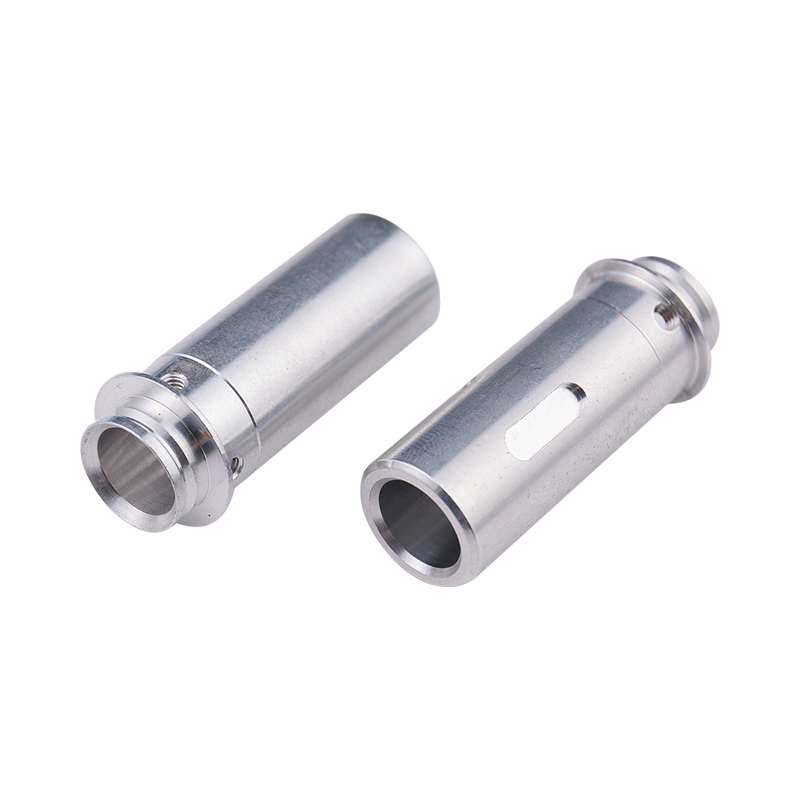 Custom Steel Air Flow Control Valve Body Manufacturers, SuppliersKunshan Hong Yong Sheng Precision Hardware Products Co.,Ltd is China custom Steel Air Flow Control Valve Body Manufacturers and Suppliers...View Product →
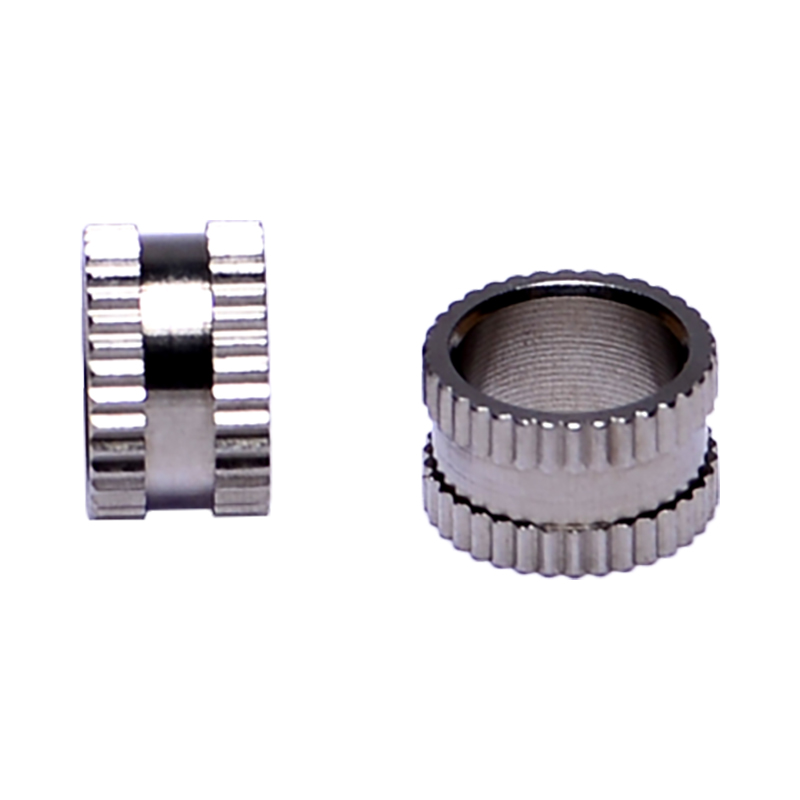 Custom Steel bushings Manufacturers, SuppliersKunshan Hong Yong Sheng Precision Hardware Products Co.,Ltd is China custom Steel bushings Manufacturers and Suppliers,View Product →
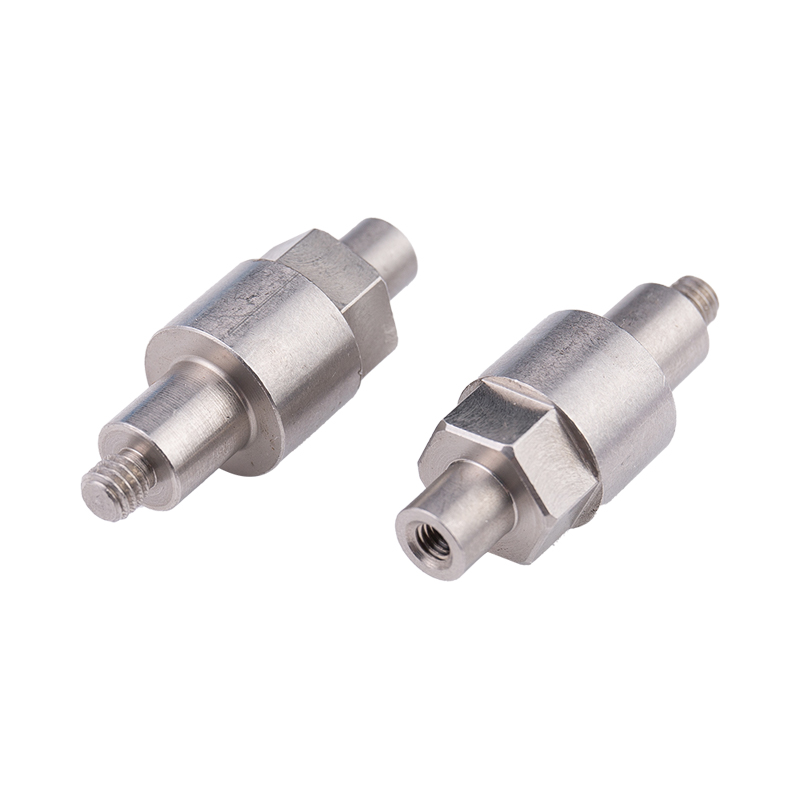 Custom Hexagonal Stepped Shaft Manufacturers, SuppliersKunshan Hong Yong Sheng Precision Hardware Products Co.,Ltd is China custom Hexagonal Stepped Shaft Manufacturers and Suppliers,The use o...View Product →
Our experience also points to the importance of planned capacity. As we continue expanding our manufacturing strength, we invest in turning centers that offer consistent spindle accuracy and fast changeover, because every minute saved on setup improves lead time for custom orders. If you are sourcing precision hardware, ask your supplier how their turning centers handle mixed material runs—stainless steel, alloy steel, and copper all respond differently to cutting speed and coolant. A capable shop will be able to explain those variables clearly. For a deeper look at how we control the dimensional side of that equation, our pneumatic valve component breakdown shows how one part family is affected by upstream turning decisions.
Avoiding Common Selection Mistakes
- Choosing only by maximum spindle speed. High RPMs are impressive, but torque and rigidity matter more for stainless or alloy steel parts. A machine that spins fast but lacks low-end torque will stall in heavy cuts.
- Ignoring the turret’s live-tool capacity. If you plan to use C-axis and Y-axis milling, the turret’s indexing repeatability is critical. Make sure the machine has sufficient coolant pressure for through-tool drilling.
- Underestimating automation needs. Bar feeders, gantry loaders, and robot integration can turn a turning center into a single-cycle cell. Factor in the loading space before you purchase, not after.
- Overlooking thermal compensation. Long runs cause spindle and ball screw heating. A turning center with coolant circulation through the spindle or scales feedback will hold size better over shifts.
- Forgetting about chip management. For high-carbon steel or cast iron, chips can wrap around the turret and cause downtime. Check the chip conveyor design and whether the bed slope actually directs chips away.
Conclusion: Use Turning Center Capabilities to Reduce Risk
CNC turning centers are not a single-technology answer for every rotational part, but they are the most flexible choice when a component has mixed turning and milling features. The right configuration reduces setups, improves consistency, and shortens supply chains. For engineers and buyers evaluating precision hardware sources, the practical takeaway is to confirm that your supplier’s turning centers are matched to the materials, tolerances, and volumes you actually need. Ask about their turret capacity, live-tool capability, and how they document quality across production batches. Those answers will tell you more than any spec sheet.
Our Products //
Hot Products


If you are interested in our products, please consult us
Kunshan Hong Yong Sheng Precision Hardware Products Co.,Ltd. All Rights Reserved. Customised Fastener Manufacturer in China
