

 русский
 Español
 中文简体
中文简体

What Is UNC Thread? Definition, Sizes, and When to Use
Industry News-When you open a fastener catalog and see a notation like “1/4-20 UNC,” it can feel cryptic if you have not worked with imperial threading systems before. You are looking at a Unified National Coarse thread, a standard that dominates North American general engineering and construction. This article explains what UNC thread is, how to read its specifications, and where it makes sense to specify it over alternatives like UNF.
Content
What Is UNC Thread?
UNC stands for Unified National Coarse, a thread series defined under the Unified Thread Standard (UTS). Established in 1949 by the United States, Canada, and the United Kingdom, the UTS was created to unify the inch-based screw thread systems used across these countries. The standard is now maintained by ASME and ANSI, primarily under ASME B1.1.
The headline characteristics of a UNC thread are straightforward:
- 60-degree thread angle — the same profile angle used by ISO metric threads, which simplifies tooling geometry conceptually.
- Inch-based nominal sizes — dimensions are expressed in inches or by numbered sizes (e.g., #10, #12), not in millimeters.
- Coarse pitch — UNC threads have a larger pitch (fewer threads per inch) compared to the UNF fine series of the same nominal diameter.
One common point of confusion is the name. “National” in the original Unified National designation is often carried over, but the official series designation today is simply Unified Coarse. You will still see UNC used universally in catalogs and drawings, so the abbreviation is here to stay.
How to Read UNC Thread Designations
If you are a design engineer or a purchasing agent, the ability to decode a UNC callout is non-negotiable. The format follows a fixed pattern: nominal diameter – threads per inch (TPI) series code.
Let’s break down the example “1/4-20 UNC”:
- 1/4 — nominal diameter in inches (0.250 inch).
- 20 — threads per inch (TPI), meaning 20 complete thread crests fit in one inch of length.
- UNC — the series code for Unified Coarse.
For smaller diameters below 1/4 inch, numbered sizes are used. A #10-24 UNC, for instance, has a nominal diameter of 0.190 inch and 24 threads per inch. The numbered range runs from #0 (0.060 inch) to #12 (0.216 inch), with #10 being one of the most common sizes in light machinery and sheet metal work.
Note that UNC designations do not list pitch in millimeters because the TPI value is the standard reference. If you need the metric equivalent for comparison, divide 25.4 by the TPI. A 1/4-20 UNC thread, for example, has a pitch of 1.270 mm.
If you are working with actual components, a quick way to visualize this is to look at a low hex tube nut — these are machined with the same UNC profile and carry the same thread identification. Our UNC 1/4 hexagon tube nuts are a practical example of how the 1/4-20 designation translates into a real, weldable component.
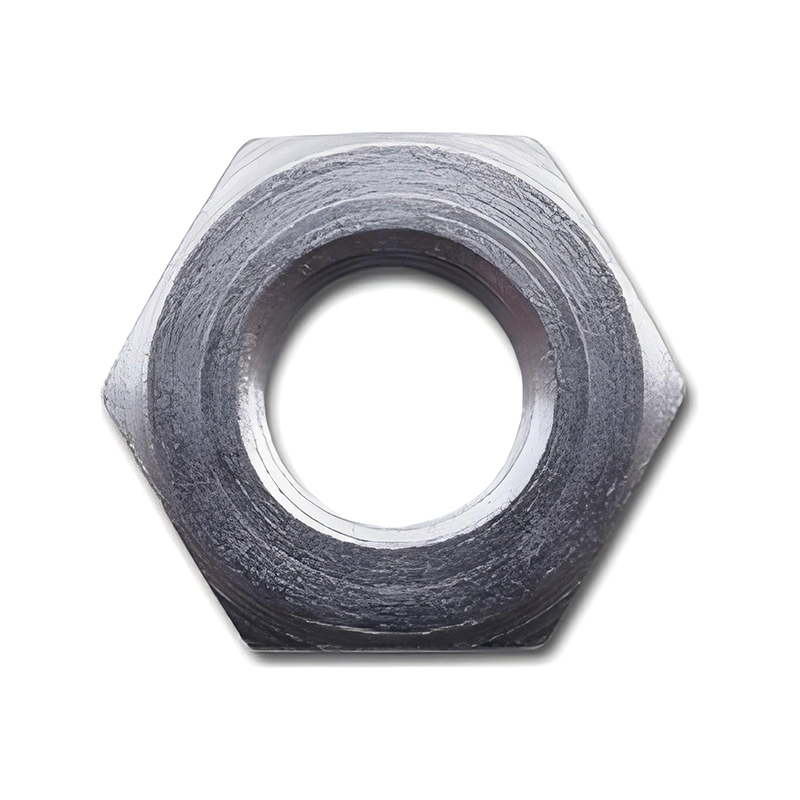 Custom DIN 431 UNC 1/4 SW22 Low Hexagonal Tube Nut, Stainless Steel A4 ManufactuKunshan Hong Yong Sheng Precision Hardware Products Co.,Ltd is China custom DIN 431 UNC 1/4 SW22 Low Hexagonal Tube Nut, Stainless Steel ...View Product →
UNC Thread Size Chart
Below is a selection of common UNC sizes you will encounter in general engineering. The list intentionally covers the most frequently specified diameters rather than the complete ANSI B1.1 table, which runs to dozens of entries.
| Size Designation | Nominal Diameter (inch) | Nominal Diameter (mm) | Threads per Inch (TPI) | Pitch (mm) |
|---|---|---|---|---|
| #4-40 UNC | 0.112 | 2.845 | 40 | 0.635 |
| #6-32 UNC | 0.138 | 3.505 | 32 | 0.794 |
| #8-32 UNC | 0.164 | 4.166 | 32 | 0.794 |
| #10-24 UNC | 0.190 | 4.826 | 24 | 1.058 |
| 1/4-20 UNC | 0.250 | 6.350 | 20 | 1.270 |
| 5/16-18 UNC | 0.3125 | 7.938 | 18 | 1.411 |
| 3/8-16 UNC | 0.375 | 9.525 | 16 | 1.588 |
| 1/2-13 UNC | 0.500 | 12.700 | 13 | 1.954 |
| 5/8-11 UNC | 0.625 | 15.875 | 11 | 2.309 |
| 3/4-10 UNC | 0.750 | 19.050 | 10 | 2.540 |
| 1-8 UNC | 1.000 | 25.400 | 8 | 3.175 |
Two values in this table deserve extra attention. TPI is the number of thread crests per inch of length; pitch is the distance from one crest to the next, expressed in millimeters. They are reciprocal values of each other, but engineers often use TPI for inch threads while using pitch for metric threads.
UNC vs UNF: What's the Difference?
UNC and UNF are the two most frequently specified series in the Unified Thread Standard. UNF stands for Unified National Fine, and the core difference is thread density: UNF has more threads per inch and a smaller pitch for the same nominal diameter.
| Characteristic | UNC (Coarse) | UNF (Fine) |
|---|---|---|
| Threads per inch | Lower | Higher |
| Pitch | Larger | Smaller |
| Thread depth | Deeper per thread | Shallower per thread |
| Tensile stress area | Larger for same OD | Smaller for same OD |
| Vibration loosening resistance | Moderate | Higher |
| Assembly speed | Faster (fewer turns) | Slower (more turns) |
| Risk of stripping in soft materials | Lower | Higher |
| Typical sectors | Construction, agriculture, general industrial | Automotive, aerospace, precision equipment |
The common perception is that one is “better” than the other. In practice, neither has a universal advantage. UNC offers better resistance to thread stripping in softer materials and faster assembly; UNF provides a higher tension-to-torque ratio and better resistance to vibration-induced loosening in rigid joints.
When to Choose UNC Threads
Based on typical manufacturing and field experience, UNC threads are the pragmatic default for a wide range of general engineering applications. Specify UNC when any of the following conditions apply:
- Soft materials — Aluminum, wood, and plastics benefit from the larger thread engagement area of coarse threads, which reduces the risk of stripping.
- Fast assembly — The larger pitch means fewer rotations to install the fastener. In mass production or field maintenance, this time saving is measurable.
- Dirty or contaminated environments — Coarse threads are less likely to jam when debris or rust sits in the thread root.
- Frequent disassembly — Coarse threads withstand repeated make-and-break cycles better because the deeper thread form is more forgiving of wear.
- General structural and agricultural use — Many agricultural equipment standards and construction practices have used UNC as the default for decades.
Material selection also impacts how well a UNC thread performs. At our precision fastener facility, we commonly machine UNC threads in carbon steel for structural use, stainless steel for corrosion resistance, and alloy structural steel for high-strength applications. The choice of material grade directly determines the achievable strength class, so do not treat material as an afterthought when you are specifying UNC fasteners.
Common Applications of UNC Thread
UNC threads are not a niche product. They are a default choice in several major industrial sectors:
- Agricultural machinery — Harvesters, tractors, and implements have historically used UNC fasteners, especially in North American market standards.
- Construction and structural assembly — Steel framing, scaffolding, and heavy timber connections often use coarse-thread bolts for their tolerance to rough handling.
- General industrial equipment — Pumps, conveyors, presses, and material handling systems use UNC for ease of maintenance and parts availability.
- Export equipment to North America — If you design a machine intended for the U.S. or Canadian market, UNC is often the expected thread standard for serviceability.
Because UNC is so deeply embedded in these sectors, most standard fastener manufacturers in North America stock these sizes as commodity items. The challenge for global buyers is ensuring that the supplier understands the UTS system fully and can verify the profile correctly.
How to Order UNC Fasteners
When you move from understanding UNC to actually ordering parts, precision in the callout prevents costly mistakes. A complete UNC fastener specification should include five elements:
- Thread size and series — e.g., 1/4-20 UNC.
- Length — measured from the bottom of the head to the end of the thread (for bolts and screws), e.g., 1 inch.
- Material — carbon steel, stainless steel, alloy steel, or brass.
- Strength grade — for steel fasteners, this is typically Grade 2, Grade 5, or Grade 8 for inches; specify the required tensile strength.
- Surface finish — zinc plating, plain finish, black oxide, or hot-dip galvanizing, depending on corrosion exposure.
A complete callout looks like this: “1/4-20 UNC × 1 inch, Grade 8, zinc plated.” Do not omit the finish even if you think it is obvious; plating thickness can affect thread fit in tight tolerance applications.
If your requirement falls outside standard catalog items, discuss the specifics with the manufacturer. Non-standard lengths, special materials, and custom surface treatments are feasible when the order is placed with a machining or cold-heading supplier. At HYS Hardware, we produce both standard and custom fasteners to meet project-specific needs. You can browse our standard fasteners range for common UNC sizes and configurations, or explore custom non-standard fasteners if your drawing calls for something beyond catalog inventory.
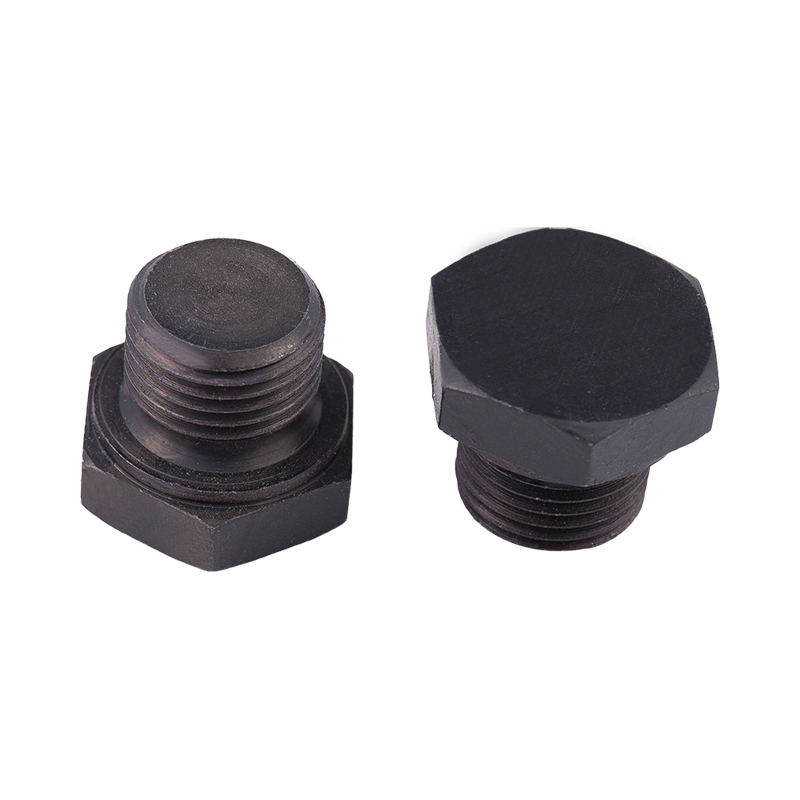 OEM/ODM Non-Standard Fastener Factory, Exporter, Company ChinaKunshan Hong Yong Sheng Precision Hardware Products Co.,Ltd is leading Non Standard fastener factory and exporter in China, our company O...View Product →
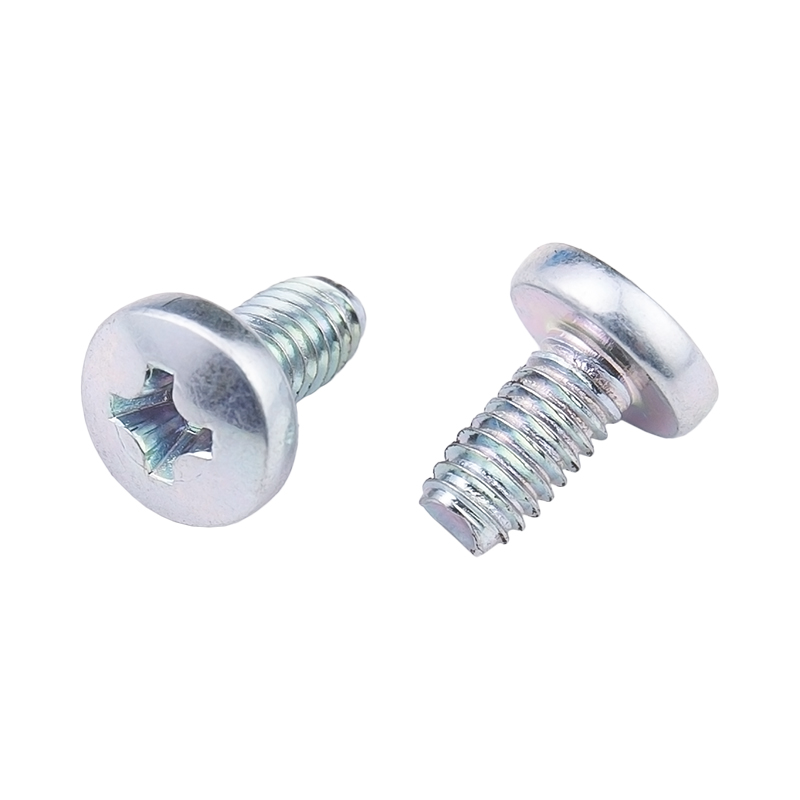 OEM/ODM PEM Fastener, Standard General Fastener FactoryKunshan Hong Yong Sheng Precision Hardware Products Co.,Ltd is leading pem series standard fastener factory and exporter in China, our co...View Product →
Final Thoughts
UNC thread is an inch-based, coarse-pitch standard from the Unified Thread System, defined by a 60-degree profile and fewer threads per inch than its UNF counterpart. It is the default choice for construction, agriculture, and general industrial assembly where quick installation, tolerance to contamination, and reliable performance in softer materials matter more than vibration resistance under high stress.
For engineers and buyers, the key takeaways are: read the callout as diameter-TPI-series, verify pitch using the TPI value rather than guessing, and match material and strength grade to the service environment. When you are ready to source UNC fasteners, work with a manufacturer that can confirm the thread profile and offer material options. For deeper technical reading on fasteners and machining, our industry technical insights cover related topics in precision manufacturing.
Our Products //
Hot Products

If you are interested in our products, please consult us
Kunshan Hong Yong Sheng Precision Hardware Products Co.,Ltd. All Rights Reserved. Customised Fastener Manufacturer in China
