

 русский
 Español
 中文简体
中文简体

How Do Captive Screws Help Manufacturers Reduce Operational Costs?
Industry News-Content
- 1 Understanding Captive Screws and Their Industrial Role
- 2 How Captive Screws Work
- 3 Reducing Maintenance Costs Through Fastener Retention
- 4 Minimizing Equipment Downtime
- 5 Improving Assembly Line Efficiency
- 6 Enhancing Equipment Safety and Reliability
- 7 Supporting Regulatory Compliance
- 8 Long-Term Cost Savings Through Durability
- 9 Applications Across Multiple Industries
- 10 Choosing the Right Captive Screw Design
- 11 Conclusion
Understanding Captive Screws and Their Industrial Role
Captive screws are specialized fastening components designed to remain attached to a panel, cover, or assembly even when loosened. Unlike standard screws that can fall out completely during maintenance or disassembly, captive screws stay secured within the equipment structure. This simple yet highly effective design provides significant operational and financial advantages across many industries.
Manufacturers use captive screws extensively in electronics, telecommunications, aerospace, medical devices, industrial machinery, data centers, and transportation systems. Their primary purpose is to simplify assembly and maintenance processes while reducing the risk of lost fasteners and operational delays.
Although captive screws may appear to be a small component within a larger system, they can have a major impact on production efficiency and long-term cost control. By minimizing maintenance errors, reducing downtime, and improving equipment reliability, captive screws help companies lower operational expenses and improve overall productivity.
How Captive Screws Work
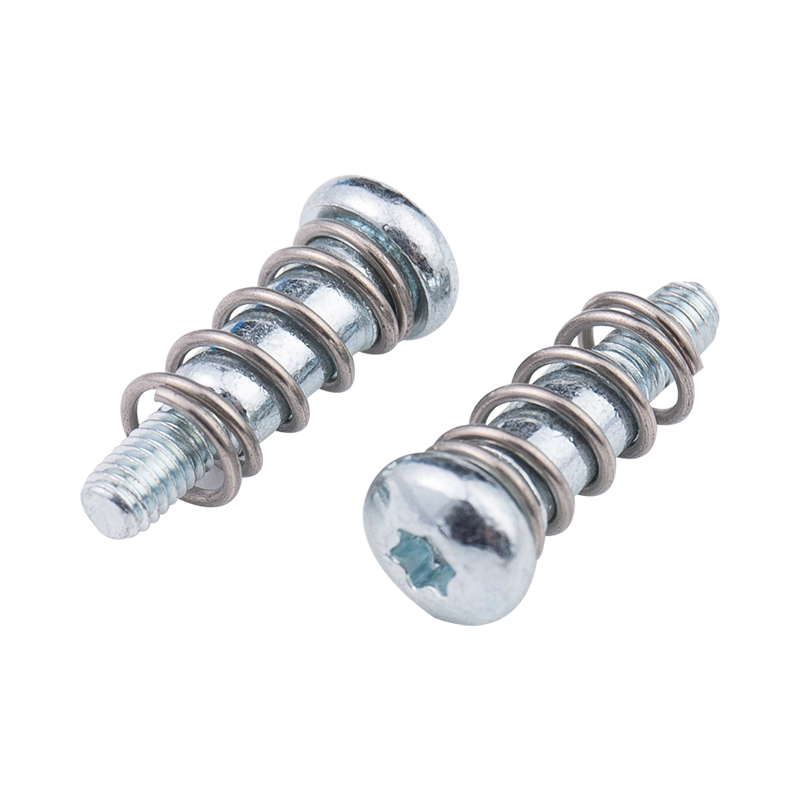
A captive screw is engineered with a retaining mechanism that prevents it from separating completely from the panel or housing. This retention may be achieved through grooves, retaining rings, shoulder designs, spring-loaded mechanisms, or specially designed threaded sections.
During operation, the screw can be loosened enough to open or remove a panel while remaining physically connected to the equipment. Once maintenance or servicing is complete, the screw can be retightened without requiring separate fastener handling.
This design eliminates many common problems associated with traditional screws, such as misplaced hardware, incomplete reassembly, and accidental contamination caused by loose metal components inside equipment.
Main Components of Captive Screw Systems
- Retaining grooves that prevent full screw removal.
- Threaded shafts designed for repeated fastening cycles.
- Spring mechanisms that improve panel retention.
- Captive washers or retaining rings for secure positioning.
- Specialized head designs for tool-free or quick access operation.
Reducing Maintenance Costs Through Fastener Retention
One of the biggest ways captive screws help control costs is by reducing maintenance-related expenses. In industrial and electronic systems, routine servicing often requires repeated opening and closing of equipment panels. Standard screws can easily become lost during these procedures, especially in fast-paced production environments.
Missing screws create multiple problems. Maintenance personnel may need additional time to locate replacement fasteners, which increases labor costs and extends equipment downtime. In some cases, the correct replacement hardware may not be immediately available, delaying repairs even further.
Captive screws eliminate this issue because the fasteners remain attached to the panel throughout the maintenance process. Technicians can work more efficiently without worrying about misplaced hardware.
Maintenance Cost Benefits
- Reduced replacement fastener expenses.
- Shorter equipment maintenance times.
- Lower labor costs during servicing operations.
- Reduced risk of incomplete equipment reassembly.
- Improved maintenance workflow efficiency.
Minimizing Equipment Downtime
Equipment downtime is one of the most expensive operational problems in manufacturing and industrial environments. Production delays can result in lost revenue, missed delivery schedules, and reduced productivity.
Captive screws help minimize downtime by simplifying equipment access and accelerating maintenance procedures. Technicians can quickly remove and reinstall access panels without managing loose hardware components.
In industries such as telecommunications and data centers, even short service interruptions can have significant financial consequences. Captive screws improve service speed and reduce the likelihood of errors that may extend repair times.
| Operational Issue | Traditional Screws | Captive Screws |
| Lost Fasteners | Common | Rare |
| Maintenance Time | Longer | Shorter |
| Equipment Downtime | Higher | Lower |
| Assembly Errors | More Frequent | Reduced |
| Operational Reliability | Variable | Improved |
Improving Assembly Line Efficiency
Captive screws contribute to faster and more efficient assembly processes. In manufacturing environments where large numbers of panels, enclosures, or electronic devices are assembled daily, handling loose screws can slow production speed.
Because captive screws remain attached to components, workers spend less time aligning, sorting, and retrieving fasteners. This reduces repetitive handling tasks and improves assembly consistency.
Automated assembly systems also benefit from captive screw designs. Retained fasteners are easier for robotic tools and automated stations to position accurately, improving production precision and reducing defect rates.
Assembly Efficiency Advantages
- Faster panel installation and removal.
- Reduced assembly line interruptions.
- Lower risk of missing hardware during production.
- Improved automation compatibility.
- More consistent assembly quality.
Enhancing Equipment Safety and Reliability
Loose screws inside machinery or electronic equipment can create serious operational risks. In electronic systems, stray metal components may cause short circuits, electrical failures, or equipment damage. In mechanical systems, loose fasteners may interfere with moving parts and compromise safety.
Captive screws significantly reduce these risks by ensuring that fasteners remain securely attached during maintenance procedures. This improves equipment reliability and reduces the likelihood of accidental internal contamination.
Industries such as aerospace, medical equipment manufacturing, and military systems often require captive fasteners specifically because of their reliability and safety advantages. Preventing foreign object damage is essential in these highly sensitive environments.
Supporting Regulatory Compliance
Many industries operate under strict quality and safety regulations. Captive screws help manufacturers meet compliance requirements related to product integrity, equipment safety, and contamination prevention.
In medical and pharmaceutical equipment, for example, loose fasteners can create contamination hazards. Captive screws reduce the possibility of detached components entering sterile or controlled environments.
In aerospace and defense applications, maintenance procedures often require detailed accountability for all hardware components. Captive screws simplify inventory control and reduce the risk of missing fasteners during inspections.
Long-Term Cost Savings Through Durability
Captive screws are typically designed for repeated use in high-maintenance environments. Many are manufactured from durable materials such as stainless steel, alloy steel, or corrosion-resistant metals that can withstand frequent fastening cycles.
Their durability contributes to long-term cost savings because fewer replacements are required over the lifespan of the equipment. High-quality captive screws also maintain consistent fastening performance, reducing the likelihood of thread damage or fastening failure.
Although captive screws may initially cost more than standard screws, their operational advantages often result in significantly lower total ownership costs over time.
Long-Term Financial Advantages
- Reduced replacement hardware purchases.
- Lower maintenance labor expenses.
- Improved equipment lifespan and reliability.
- Lower risk of operational failures.
- Reduced downtime-related financial losses.
Applications Across Multiple Industries
Captive screws are used in a wide range of industries because of their versatility and operational benefits.
Electronics and Telecommunications
Servers, networking equipment, control panels, and telecommunications systems frequently use captive screws to simplify maintenance and protect sensitive electronic components.
Medical Equipment
Medical devices require secure and contamination-resistant fastening systems. Captive screws support equipment reliability and hygiene standards.
Aerospace and Defense
Aircraft panels, avionics systems, and military equipment use captive screws to reduce foreign object risks and support strict maintenance accountability procedures.
Industrial Machinery
Manufacturing equipment often requires regular maintenance access. Captive screws simplify service operations while improving worker efficiency.
Choosing the Right Captive Screw Design
Selecting the proper captive screw depends on several factors, including material compatibility, panel thickness, vibration resistance, environmental conditions, and required fastening strength.
Designers must also consider whether the application requires tool-free access, tamper resistance, or corrosion protection. Stainless steel captive screws are often preferred for harsh or hygienic environments because they resist rust and chemical exposure.
Proper installation and compatibility with panel materials are equally important for maximizing long-term performance and cost-saving benefits.
Conclusion
Captive screws provide far more value than simple fastening functionality. By preventing lost hardware, reducing maintenance time, improving assembly efficiency, and minimizing operational downtime, they help manufacturers control costs across multiple areas of operation.
Their ability to improve equipment reliability and support regulatory compliance makes them especially valuable in industries where safety, precision, and contamination control are critical. Although they may represent a small portion of a product’s total cost, captive screws can deliver substantial long-term financial and operational advantages.
As manufacturing systems continue to prioritize efficiency and reliability, captive screws will remain an important component for companies seeking practical solutions to reduce maintenance expenses and improve overall operational performance.
Our Products //
Hot Products

If you are interested in our products, please consult us
Kunshan Hong Yong Sheng Precision Hardware Products Co.,Ltd. All Rights Reserved. Customised Fastener Manufacturer in China
